

Restore your smile with high-precision dental bridges in Mexico
Board-certified dentists and on-site digital labs + savings up to 85% compared with U.S. prices
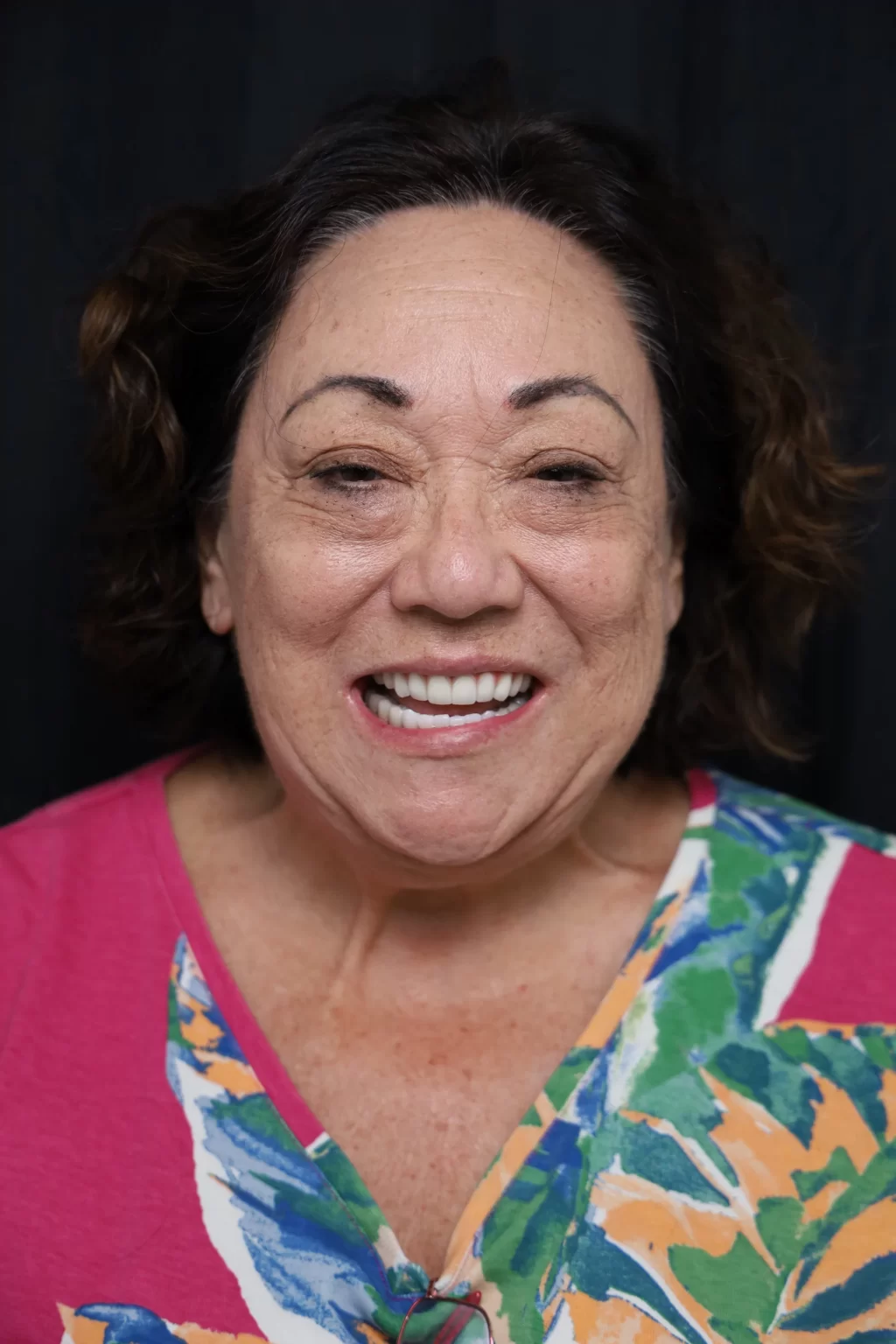

A dental bridge is a fixed prosthesis that replaces one or more missing teeth by anchoring an artificial tooth (pontic) to the natural teeth or implants on either side of the gap.
In Mexico, modern clinics combine 3-D scanners, CAD/CAM milling, and bilingual care teams to deliver bridges that look, feel, and function like your own teeth, at a fraction of domestic costs.
Why Get a bridges in Mexico?
Types of bridges

Traditional 3-Unit Bridge
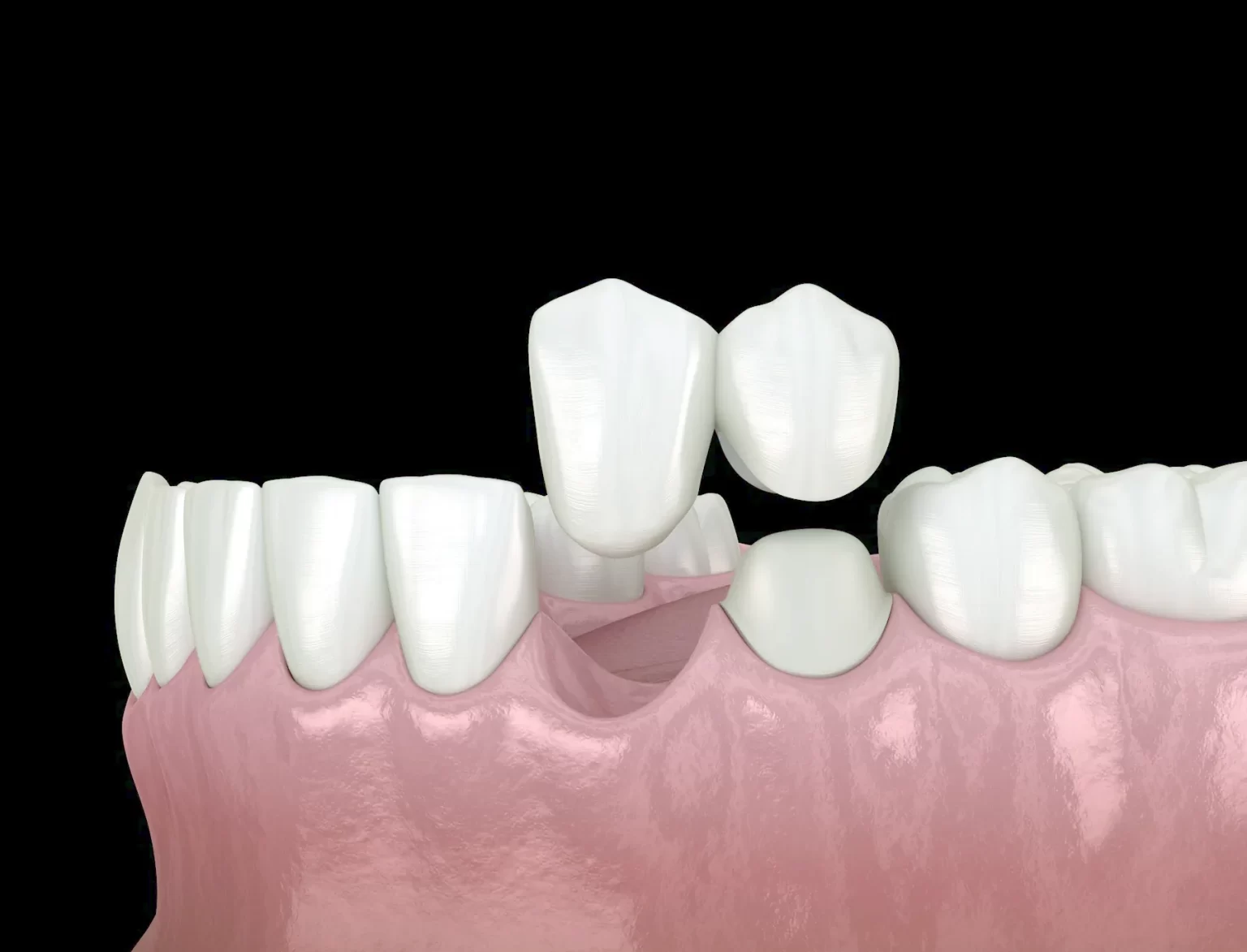
A traditional bridge replaces a single missing tooth by crowning the two adjacent teeth (abutments) and fusing a pontic between them. Your dentist prepares the abutment teeth, captures a digital impression for a CAD/CAM design, and places a comfortable temporary bridge while the final restoration is milled.
Traditional bridges deliver decades of proven success. They restore natural bite force, maintain facial contour, and can be fabricated in high-strength zirconia or porcelain-fused-to-metal (PFM) for an ideal balance of esthetics and durability.
Cantilever Bridge
Maryland bridges use thin porcelain or metal wings bonded to the backs of neighboring teeth, preserving nearly all natural enamel. After light etching, the wings are cemented, and a lifelike pontic blends seamlessly into your smile, often with no anesthesia required.
This approach offers excellent esthetics and enamel conservation, making it ideal for replacing a single front incisor, especially in younger patients. However, bond strength is lower than full crowns, so Maryland bridges are less suited to heavy bite zones and must be cleaned meticulously to avoid debonding.

Implant-Supported Bridge
Two or more titanium implants act as abutments, supporting a span of two to four pontics without involving natural teeth. Following implant placement and a three-month osseointegration period, your dentist takes digital impressions for a screw-retained zirconia bridge.
Implant bridges provide exceptional bite strength and preserve jawbone by transferring chewing forces directly into bone. With no tooth drilling and a typical 15–20-year lifespan, they are a higher-upfront-cost option that delivers long-term value and stability.
Top Destinations for Dental Bridges in Mexico
Los Algodones
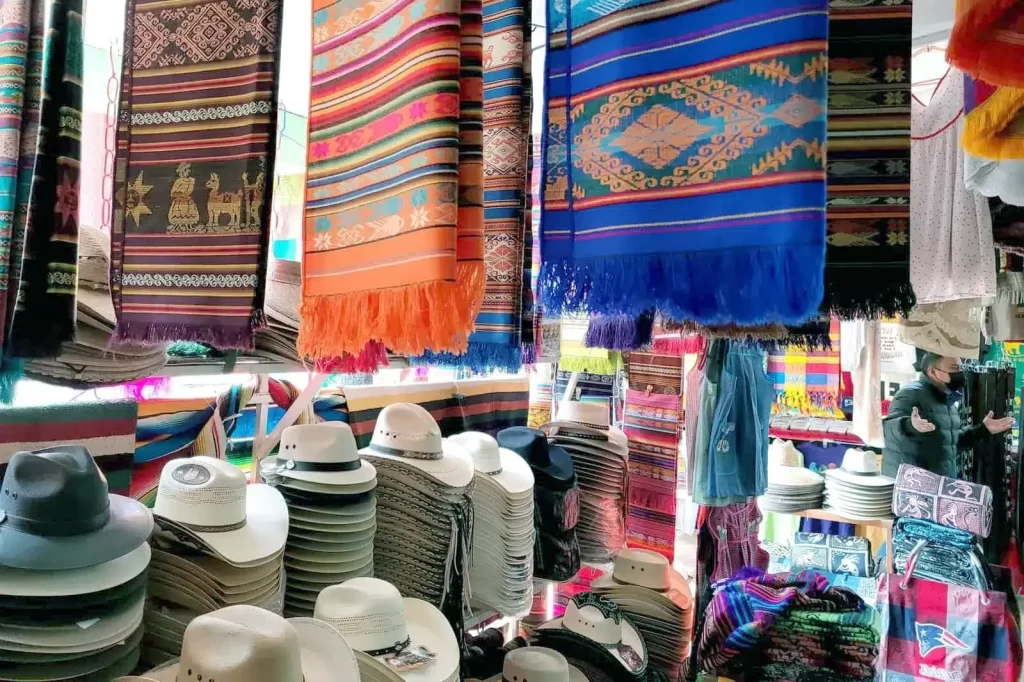
Often called “Molar City,” Los Algodones concentrates more than 250 dental clinics within four walkable blocks at the Arizona–California border. Digital-impression scanners and in-house zirconia mills allow many practices to complete a three-unit bridge, from prep to final cementation, in as little as five days.
Travel is simple: cross the pedestrian border in minutes, attend your appointment, and pick up prescriptions at the same-day pharmacies nearby. Budget hotels and eateries sit steps from the clinics, letting Southwest residents drive in for preparation, rest overnight, and return for final placement without flights or extended stays.
Tijuana
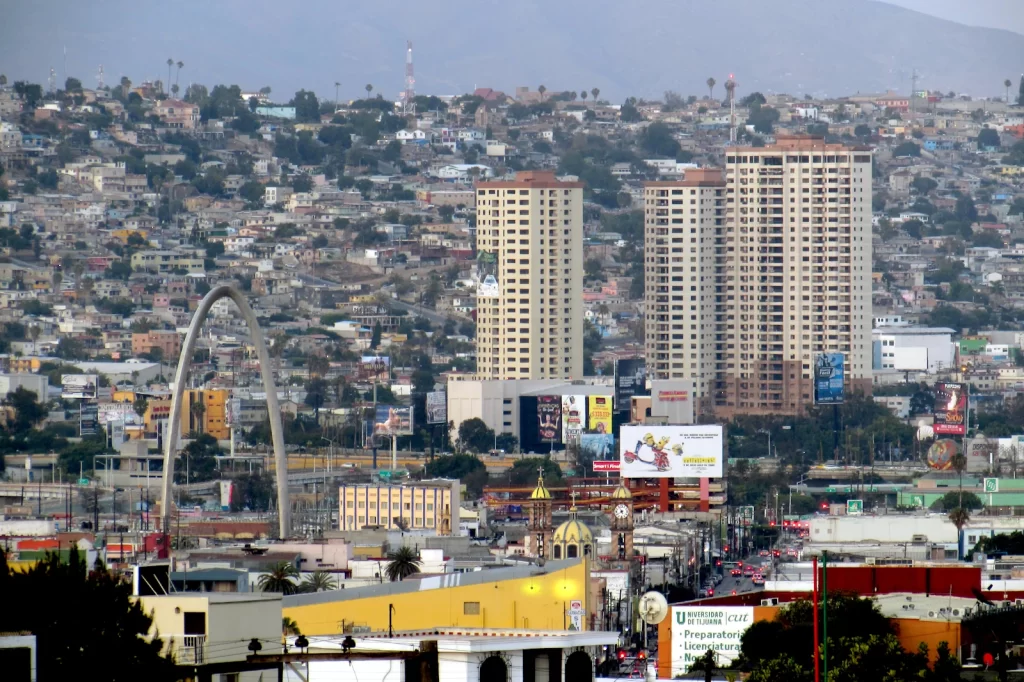
Located just 15 minutes from San Diego, Tijuana’s multi-storey dental towers house CBCT imaging suites, bilingual prosthodontists, and full on-site labs. Many clinics bundle VIP border shuttles and discounted hotel rates, streamlining every phase of cross-border treatment.
Between visits, patients can sample Baja-Med cuisine, stroll artisan markets, or relax on nearby coastal boardwalks. By pairing efficient bridge work with local tourism, travelers often enjoy a weekend getaway while still saving thousands compared with U.S. prices.
Your Dental Bridges Journey: Step by Step
Initial Consultation & Digital Scan (Day 1)
Full oral exam, CBCT or panoramic X-ray, shade selection, and a digital scan that feeds the CAD/CAM design.
Tooth Preparation & Provisional Bridge (Day 1)
Abutment teeth are shaped, impressions verified, and a custom temporary bridge is cemented for comfort and aesthetics.
Lab Fabrication (Days 2–4)
The on-site or partner lab mills your zirconia or PFM framework, applies porcelain layering, and performs digital fit checks.
Try-In & Occlusal Adjustment (Day 5)
You test fit, bite, and esthetics; minor color or contact adjustments are made chairside before final glazing.
Final Cementation & Post-Op Care (Day 6)
Before and Afters

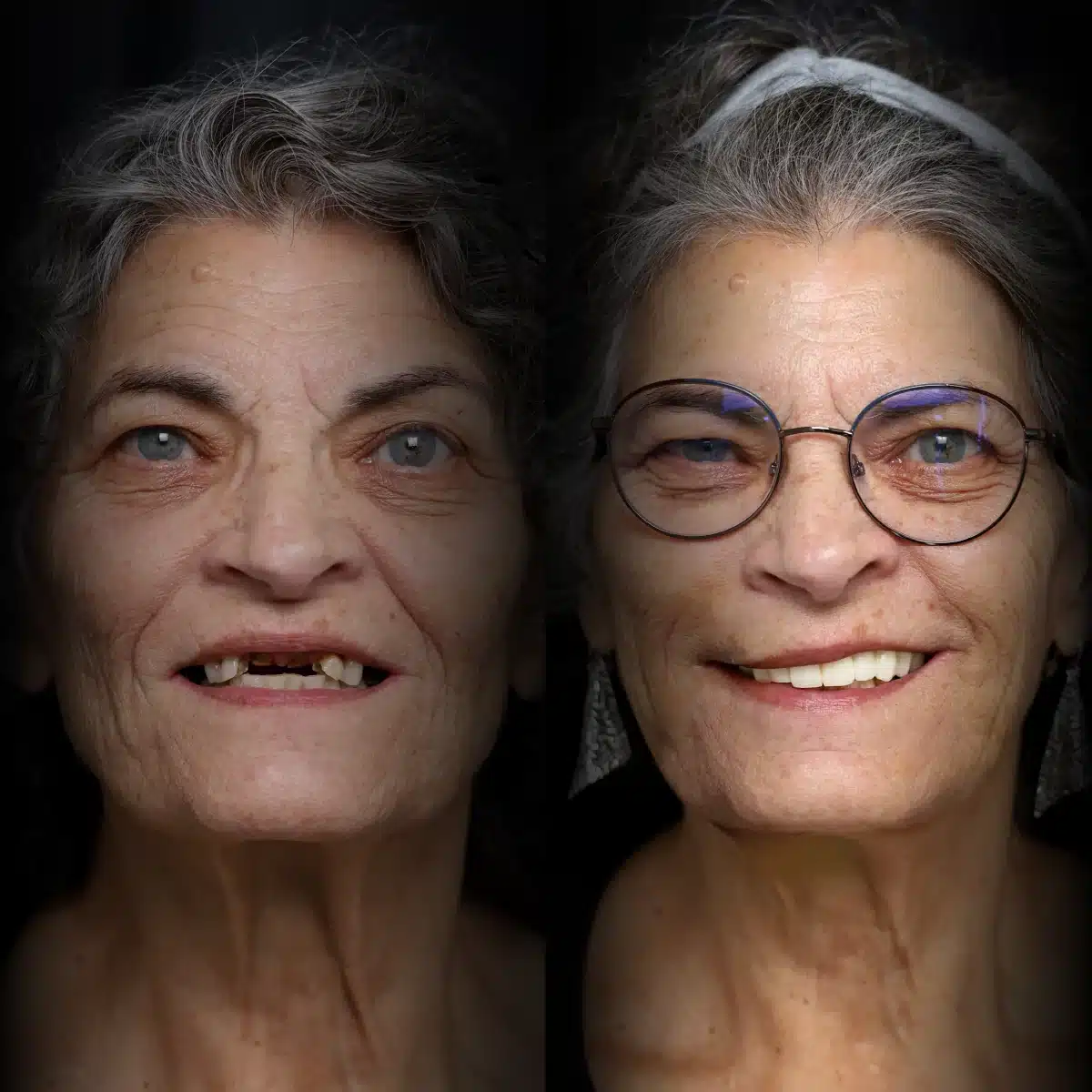
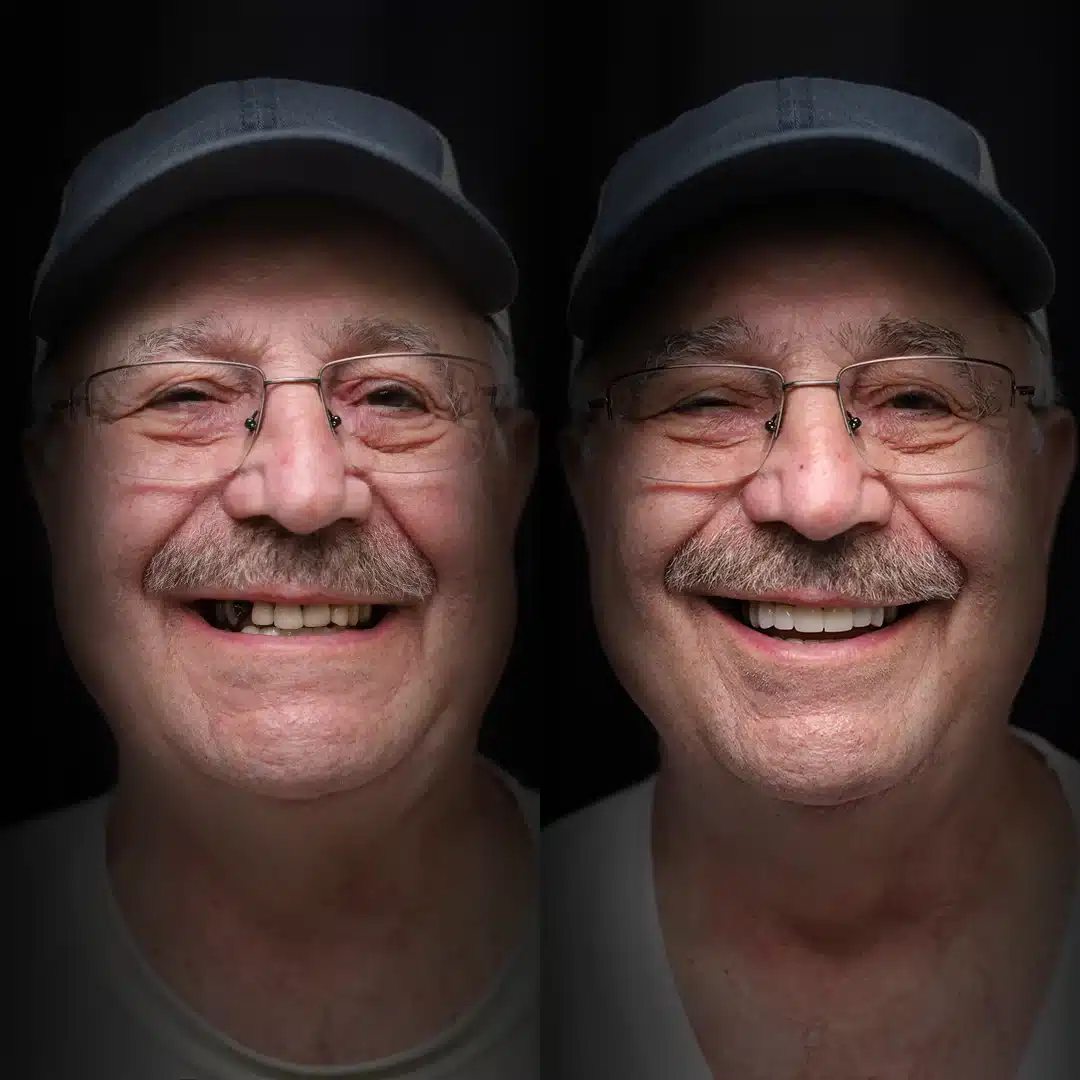
Why Patients Choose Mexico for Their Dental Needs
Real reviews taken from Google

Patrice Maldonado
"I am so happy I found this clinic last year. They were highly recommended by a fellow worker. She and her family had been coming for years. I was 70, and still had 2 baby canine teeth. They did the surgery to remove the 2 baby teeth, and the 2 permanent canines that never dropped.
Coming back in 6 months for implant posts, but there was not enough density. Came back 4 months later, and still not enough density for the implants. They offered me several options, and I decided to go with 2 bridges, made of zirconia. I couldn't be happier! I now have a beautiful smile.
Their work is guaranteed. I had a small bubble a few months later. I came back and it was immediately repaired, no charge."

Edgar Torres
"Very great people to work with. They were very accommodating and responsive to all our questions. We were coming from VA so had to make sure everything was set before our arrival. Answered all of our questions and any concerns we had.
Great and easy process. My mother in law was getting several bridges put in and had no issues for the 1st part of a 2 part process. We’ll be back after 4 months when gums heal.
Would recommend to anyone looking to get dental work done for a really affordable price."
Dental Bridges Cost in Mexico
Treatment | Avg U.S. Price | Avg. Mexico Price | Savings % | Savings $ |
|---|---|---|---|---|
3-Unit Bridge – PFM | $3965 | $597 | 85% | $3368 |
3-Unit Bridge – Full Porcelain | $4500 | $900 | 80% | $3600 |
3-Unit Bridge – Zirconia | $5000 | $1350 | 73% | $3650 |
Snap-on Denture (2 implants) | $8109 | $3430 | 58% | $4679 |
Snap-on Denture (3 implants) | $9000 | $4180 | 54% | $4820 |
Is It Safe? Here’s How We Vet our partner Clinics
Medify approves only clinics that meet these standards:
Ready to fill the gap and restore your bite?
Request a free bridge quote from Medify’s vetted Mexican clinics today and see how much you can save.
Everything You Need to Know About Dental Bridges
- Traditional (3-Unit) Bridge – Crowns on two abutment teeth support a single pontic, ideal when strong teeth exist on both sides.
- Cantilever Bridge – Anchors to just one abutment tooth, useful when only one side has a healthy crown candidate.
- Maryland (Resin-Bonded) Bridge – Uses thin metal or porcelain “wings’’ bonded behind adjacent teeth, conserving almost all enamel and suiting small front-tooth gaps.
- Implant-Supported Bridge – Two or more implants support multiple pontics without touching natural teeth, perfect for larger spans or when abutment teeth are weak.
Each style is selected based on gap location, bite load, and your long-term restorative goals.
Your dentist prepares the abutment teeth by reshaping their outer enamel to accept protective crowns.
A digital scanner captures a 3-D model of your bite; lab technicians design the bridge so the pontic sits flush with your gum to mimic natural emergence.
Once milled and porcelain-layered, the bridge is test-fitted for bite and shade, adjusted, then bonded with resin cement that seals out bacteria. The joined crowns and pontic act as a single unit, restoring function immediately.
Day 1 – Consultation & Digital Scan
- CBCT or panoramic X-ray and shade selection.
- Abutment teeth prepared, temporary bridge placed.
Days 2–4 – Lab Fabrication
- CAD/CAM milling of zirconia or PFM framework, porcelain layering, and digital strength testing.
Day 5 – Try-In & Adjustment
- Verify margins, bite, and esthetics; minor polishing or contact adjustments performed chairside.
Day 6 – Final Cementation
- Permanent bonding, radiograph to confirm seal, hygiene instructions.
- Fly home with a healed bite and written after-care plan.
Medify-vetted clinics follow CDC-equivalent sterilization, including Class-B autoclaves, single-use burs, and resin cements stored under manufacturer-specified temperatures.
Prosthodontists are board-certified and trained in shade matching and occlusal articulation. Digital records and bite scans are archived, so any future adjustments can be fabricated accurately, even after you return home.
Mexican clinics operate with lower overhead, laboratory, and staffing costs, yet they import the same zirconia blanks and porcelain powders used in the U.S.
High patient volume spreads CBCT and CAD/CAM investments over thousands of cases, cutting fees without lowering quality. You pay 40 – 70 % less while receiving the identical materials and manufacturer warranties.
PROS | CONS |
|---|---|
Fixed solution, no daily removal or adhesives. | Requires shaping of abutment teeth (except Maryland design). |
Quick turnaround, completed in about a week. | Average lifespan 10–15 years before replacement. |
Restores bite force and esthetics immediately. | Bridges do not prevent bone loss beneath the pontic; implants do. |
- Years 0–5: Annual bite check; polish ceramic if staining occurs.
- Years 5–10: Evaluate cement seal by X-ray; recement if microleakage appears.
- Years 10–15: Plan for replacement if porcelain chips, margins open, or the underlying tooth shows recurrent decay.
With meticulous home care and professional cleanings, a zirconia bridge can last 12–20 years; PFM averages 10–15 years. Promptly addressing tiny chips or loose contacts extends service life.
Why Choose Medify as Your Dental Partner?
Affordable Excellence
Save up to 80 % on zirconia or porcelain bridges while benefiting from digital workflows and premium materials.
Personalized Service
Your bilingual coordinator schedules scans, travel, and follow-ups, guiding you from consultation to cementation.
Travel Accommodations
Discounted hotels, border shuttles, and curated dining options, softer foods included, make your trip seamless.
Top Technology And Doctors
Partner clinics use CBCT, intraoral scanners, and CAD/CAM mills operated by ADA and Mexican Dental Association members.
Comprehensive FAQ
After a short adjustment, you can bite into most foods. Avoid ice chewing and very hard candies to extend longevity.
A local dentist can recement. Medify clinics provide digital files and shade info for quick repairs.
Some PPO plans cover out-of-network prosthodontics. Medify supplies itemized invoices with CDT codes for claims.
Veneers canCrowns protect abutments; good hygiene prevents decay at the margins. Regular floss-threader use is essential.
be placed on one, several, or all visible teeth, based on your plan.
Bridges are faster and less costly but require neighboring-tooth crowns. Implants preserve bone and function independently, each case is evaluated individually.
Yes. If bone volume allows, you can replace a bridge with implants once the crowns wear out.
