

Stop the pain in just one day and save your natural tooth with a Root Canal in Mexico
Medify connects you with board-certified Mexican endodontists who use cutting-edge technology to deliver world-class root-canal therapy, often at up to 70 % savings compared with U.S. prices.

A root-canal procedure removes infection from deep inside a tooth, seals the space, and lets you keep your original smile instead of losing the tooth to extraction.
Mexico has become a premier destination for endodontics because clinics combine U.S.-grade technology, bilingual specialists, and transparent pricing that international patients can trust. With Medify guiding every step, you’ll receive fast relief, expert care, and a stress-free travel experience.Why Get a Root Canal in Mexico?
Types of Root-Canal Treatment
Single-Root Canal
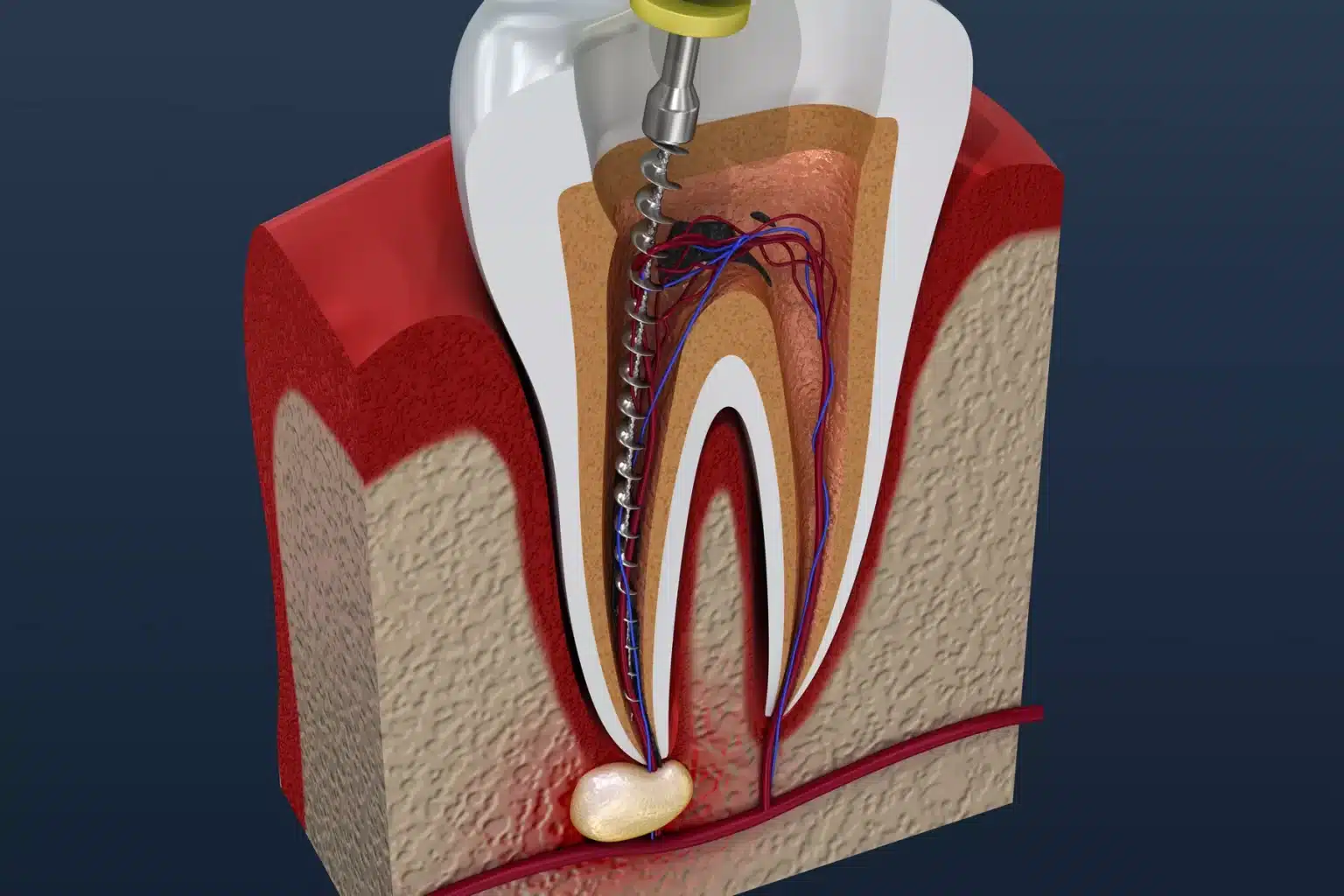
Anterior teeth and many premolars contain one canal. In the first appointment, your endodontist numbs the tooth, isolates it with a rubber dam, and cleans out infected pulp with nickel–titanium rotary files. After disinfecting the space with antimicrobial irrigants, the canal is dried and sealed with gutta-percha.
A follow-up visit may place a final composite filling or crown, but many single-root cases finish in one day. The procedure is quick, preserves your original tooth color, and prevents infection from spreading to neighboring tissues.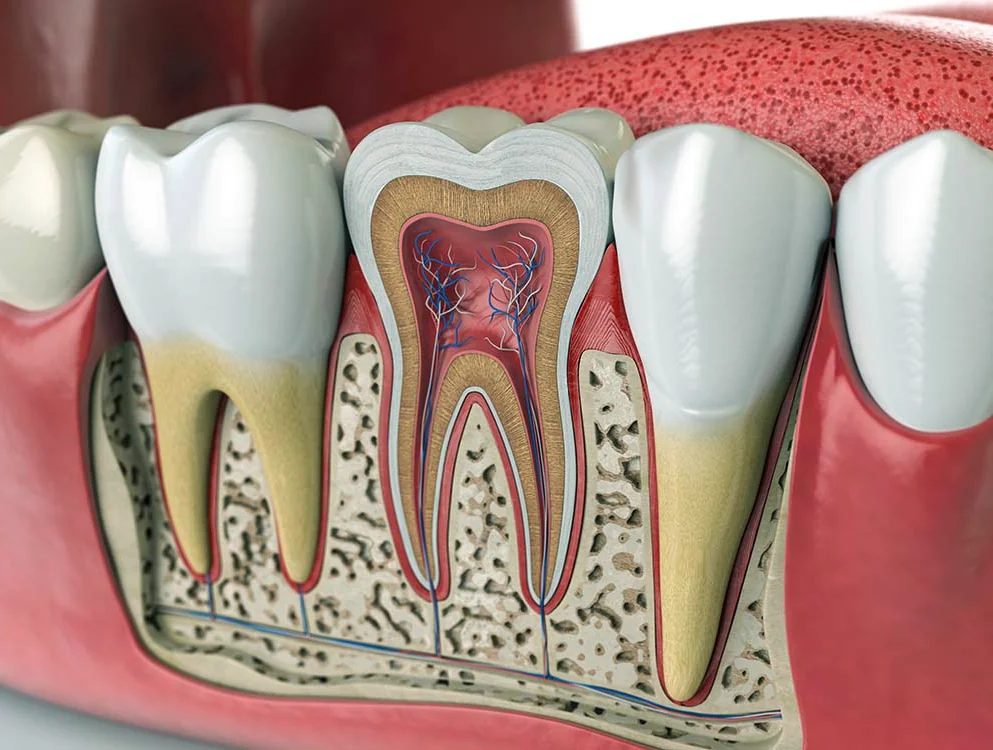
Multi-Root Canal (Molar Therapy)
Back molars can have three or more intricate canals. Using a dental microscope, the specialist locates every canal, cleans and shapes them individually, then fills the tooth with bioceramic sealer. Because of the tooth’s complex anatomy, molar therapy often spans two appointments.
Saving a molar maintains your ability to chew without placing undue force on remaining teeth. Once sealed, the tooth is typically crowned to protect it from fracture, restoring full bite function for decades.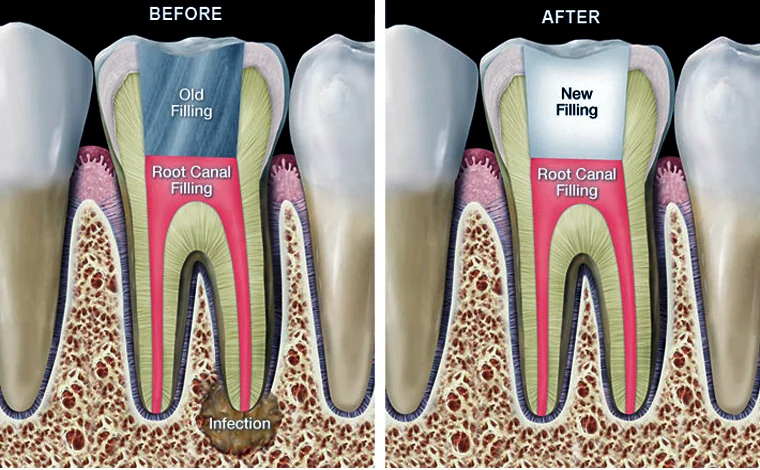
Retreatment
If a previous root canal fails, retreatment offers a second chance. The dentist removes old filling material, re-cleans the canals, and seals them with modern bioceramics. Retreatment is meticulous but far less invasive than extraction plus implant.
Patients who choose retreatment preserve bone, avoid surgical costs, and retain their natural tooth for many more years. Advanced imaging pinpoints hidden anatomy so today’s retreatment success rates rival primary procedures.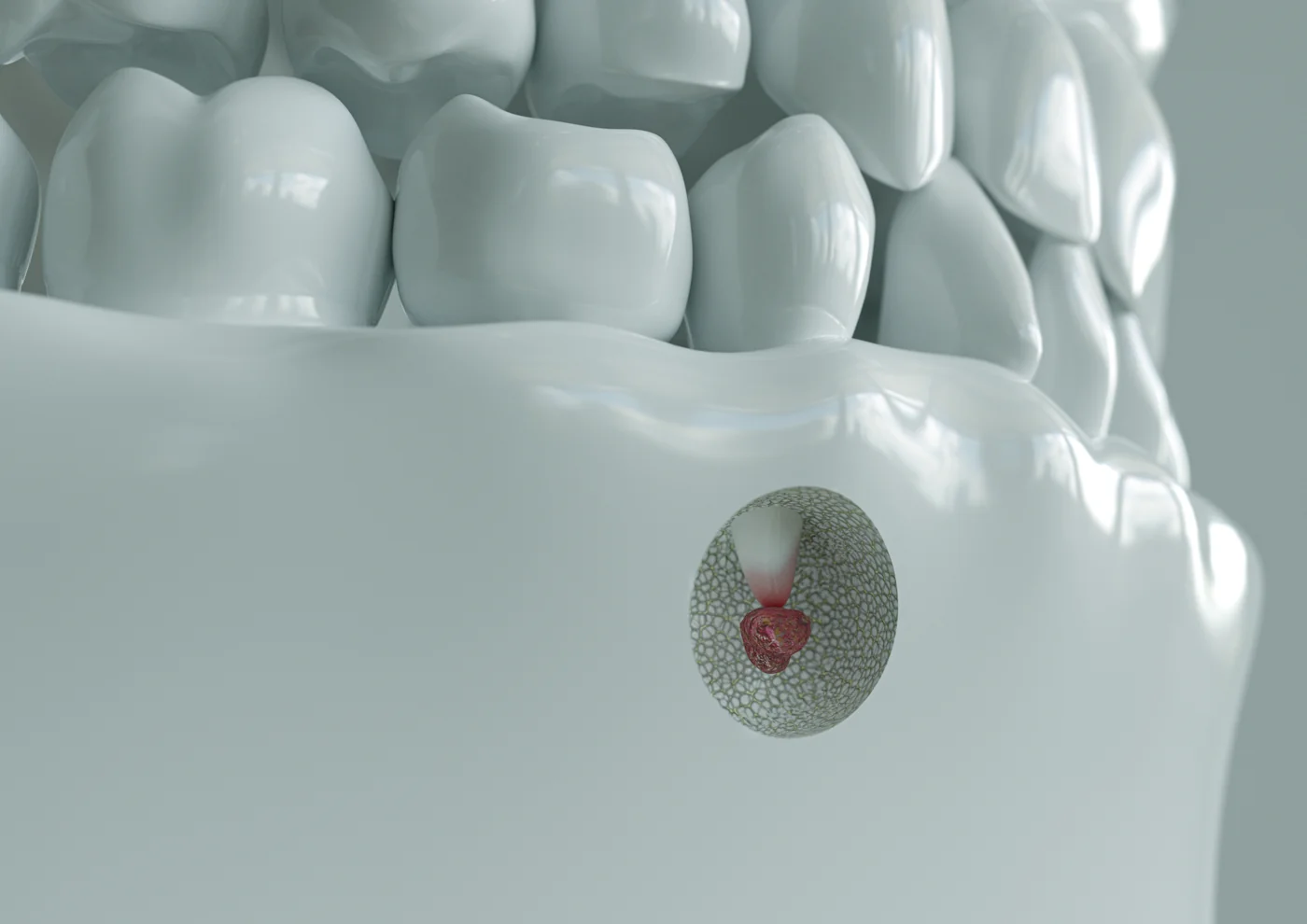
Apicoectomy (Root-End Surgery)
When infection lingers at the root tip, or a canal is blocked by a post, an apicoectomy removes the infected apex through a small incision in the gum. The surgeon cleans the root end, fills it retrograde with MTA cement, and sutures the site.
Healing is rapid, discomfort is minimal, and an apicoectomy often resolves chronic infection without removing the tooth, making it the last stop before extraction.Top Destinations for A Root Canal in Mexico
Los Algodones
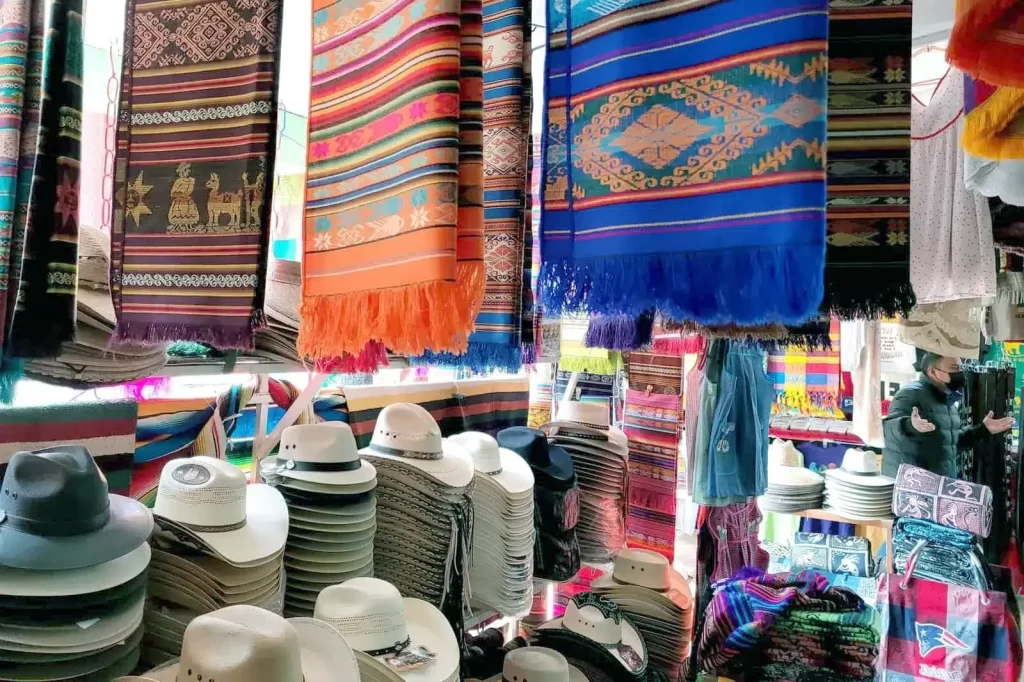
Nicknamed “Molar City,” this border town sits a few blocks from Yuma, Arizona. Hundreds of dental offices line the pedestrian streets, many equipped with microscopes and same-day crown mills. Patients love the walk-in convenience and U.S.-style sterility protocols, plus pharmacies and optical shops just steps away.
After treatment, you can relax in a cozy café, then stroll across the border in minutes, no flight required. It’s the ideal quick-trip option for Southwest residents who want premium care without hotel stays.
Tijuana
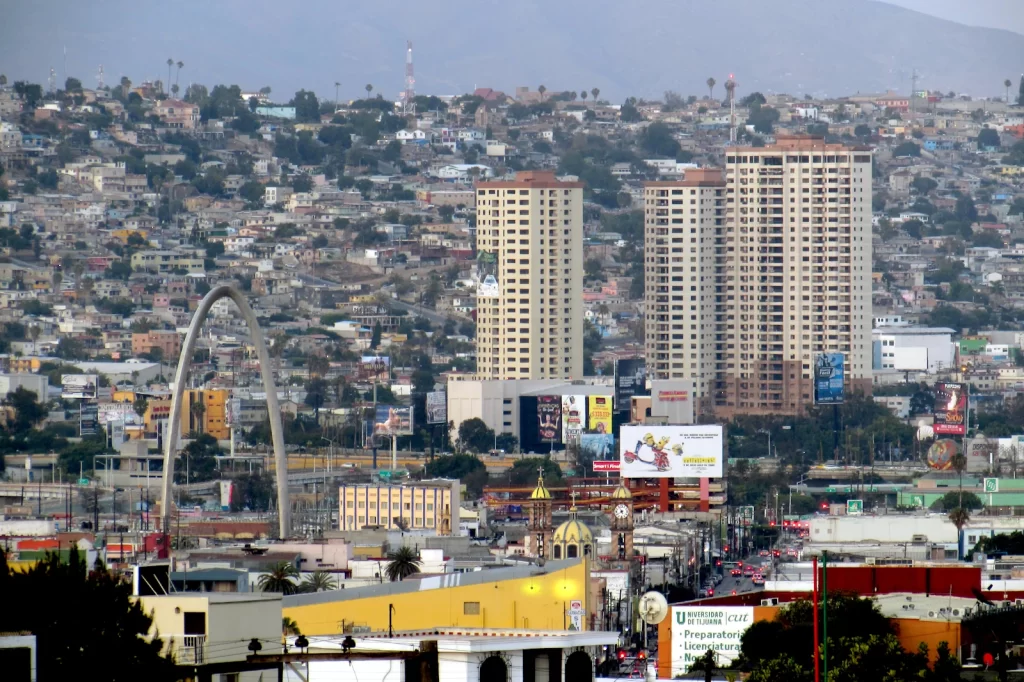
A thriving medical-tourism hub only minutes from San Diego, Tijuana hosts full-service dental hospitals with bilingual teams and on-site CBCT suites. Many clinics include VIP border shuttle service and partnerships with four-star hotels.
While you recover, explore hip food halls, coastal vistas at Playas de Tijuana, or the renowned Guadalupe Valley wine route. Tijuana blends first-class dentistry with urban culture and easy U.S. access.
Your Root Canal Journey: Step by Step
Arrival, CBCT Scan & Anesthesia
The tooth is isolated with a rubber dam. Local anesthetic guarantees a painless session.
Canal Cleaning, Irrigation & Medication (Day 1)
Rotary NiTi files shape canals; ultrasonic irrigation removes biofilm. Calcium-hydroxide medicament is placed if swelling is severe.
Obturation & Core Build-Up (Day 2)
Gutta-percha and bioceramic sealer fill canals. A fiber post or composite core strengthens the tooth; digital scan is taken for a crown.
Zirconia or E-max Crown Placement (Day 3 or 4)
Why Patients Choose Mexico for Their Dental Needs
Real reviews taken from Google

Joshua Adkisson
I was really impressed at the professionalism and friendliness of all the staff. I first filled out the interest form on the website, they got in touch within 2 days, and they have competitive prices, but the difference here is the staff... They're young, vibrant, and efficient at what they do... We travelled from Oklahoma City over 1700 miles to get here and I don't regret it one bit.
I have dealt with nothing but judgemental dentists in the past but here they got a treatment plan together, quoted the pricing, and got started the same day.
They performed 4 root canals in the time it took to do 1 at my US dentist. Overall I'm seriously pleased... Definitely would recommend...."

Tony Uno
Had a lower right molar that needed a root canal. Went to Los Algodones, MX without a formal appointment. They done an exam and x-ray and came to the conclusion that they would do an RC without a cap. Said they'll just build up the worked on molar much like a cavity filler.
The whole procedure took about 1.5hrs. They drained the puss from the gum. I was surprised at how close to the original estimate cost they came to. No over sell like a lot of other facilities.
Do your research first and stick to your chosen facility. Don't let pickers pick your dentist. They'll direct you to the highest, low quality, bait and switch pricing facility.
Tony Uno, AJ, AZ"

Slade Jones
Great experience A-Z needed a root Canal asap was in so much pain I couldn’t sleep for almost 2 straight nights.
My dentist in CO couldn’t see me for almost a week just for a consultation not to mention actual treatment. These guys were able to take me and get my RC done in the same day.
Shuttle from the border straight to their door. Office was clean staff was friendly and can speak English. Looking forward to a good nights rest finally. Oh and the price would have been 4k in US they got me done for 790USD in the end worth the drive.
Rob Fraser
I was very nervous about making the trip down. I’ve heard so many horror stories and my background is military, so I’m very Americanized.
Anyways needed a root canal. Told 30 days wait in the States. Pain kept me up for 3 nights. Called this clinic in Mexico after going back and forth for a week and got in that day.
Service was great. The doctors were welcoming and made it super easy and painless. Will recommend to everyone. The price isn’t that bad either, which was about 1/3 of what I would paid in the states. Certainly recommend !!!!!
Root Canal Cost in Mexico
Treatment | Avg U.S. Price | Avg. Mexico Price | Savings % | Savings $ |
|---|---|---|---|---|
Root Canal (per tooth) | $880 | $199 | 77% | $681 |
Post and Core Build-up | $287 | $90 | 69% | $197 |
Root Canal Retreatment | $1,200 | $320 | 73% | $880 |
Apicoectomy | $1,120 | $220 | 80% | $900 |
Pulpectomy (primary tooth) | $220 | $180 | 18% | $40 |
Is It Safe? Here’s How We Vet our partner Clinics
Medify approves only endodontic clinics that meet these standards:
Ready to end tooth pain and keep your natural smile?
Tap below to schedule a free virtual consult with a Medify-vetted endodontist and receive a personalized treatment plan within 24 hours.
Everything You Need to Know About Root Canals in Mexico
Single-Root Canal
Most front teeth have one canal. Treatment is straightforward: remove pulp, disinfect, fill, and seal, often completed in a single visit.
Multi-Root Canal (Premolar & Molar Therapy)
Back teeth can have two to four canals. Each canal is shaped and sealed individually under a microscope. Multi-root cases sometimes require two appointments for complete disinfection and a strong core build-up.
Retreatment
When an old root canal fails due to hidden anatomy or leakage, all filling material is removed, canals are re-cleaned, and the tooth is resealed with modern bioceramics.
Apicoectomy
If infection persists at the tip of the root, a minor surgical procedure removes the root apex and infected tissue, then places a tiny retrograde filling.
- Diagnosis – Digital X-rays or CBCT scans map each canal's exact shape and length.
- Anesthesia & Isolation – Local anesthetic numbs the tooth; a rubber dam keeps the area dry and sterile.
- Access & Cleaning – A small hole is drilled to reach the pulp chamber. Rotary files remove infected tissue and shape the canals.
- Irrigation & Disinfection – Sodium hypochlorite, EDTA, and ultrasonic activation flush out debris and bacteria.
- Drying & Filling – Canals are dried with paper points, then filled with gutta-percha and sealer to create a bacteria-tight seal.
- Temporary or Permanent Restoration – A core build-up seals the access. A crown is placed immediately or at a follow-up visit to protect the tooth from fracture.
Total chair time is typically 60–90 minutes for single-root teeth and 90–120 minutes for molars.
Modern root canals are virtually painless. Local anesthetic numbs the area completely. For anxious patients, clinics offer oral sedatives, nitrous oxide, or IV sedation.
After treatment, mild tenderness or jaw fatigue may last 24–48 hours and respond well to over-the-counter analgesics like ibuprofen. Severe pain is rare and often indicates infection was already advanced; once the nerve is removed, the tooth cannot feel pain again.
- Eat a light meal and take routine medications unless advised otherwise.
- Avoid alcohol and tobacco 24 hours before your appointment, as they slow healing.
- Inform your dentist of heart conditions, joint replacements, or allergies; preventive antibiotics may be required.
- Finalize travel logistics (hotel, transport) so you can rest immediately after treatment.
Proper preparation shortens chair time and reduces complications.
- Take prescribed pain relievers on schedule on the first day.
- Chew on the opposite side until a permanent crown is placed.
- Brush and floss carefully, avoiding the temporary filling for 24 hours.
- Rinse with warm salt water to soothe tissues if gums feel tender.
- Return promptly for the crown; an uncrowned tooth may crack under chewing forces.
Follow-up X-rays at six months confirm bone healing around the root tip.
Yes. Medify vets every endodontic clinic for CDC-grade sterilization, documented spore tests, and private treatment suites.
Specialists hold international board certifications, and clinics use disposable rotary files and single-use irrigation tips. Bilingual teams explain every step, so you’re informed and comfortable.
Savings come from:
- Lower labor and facility costs without compromising materials.
- Streamlined clinic operations, no inflated administrative fees.
- A competitive dental-tourism market that keeps pricing transparent.
You receive FDA-approved materials and identical technology found in top U.S. practices, just without the U.S. price tag.
PROS | CONS |
|---|---|
Eliminates pain and infection while saving your natural tooth. | Two appointments may be needed if the infection is severe. |
Preserves jawbone and adjacent teeth alignment. | The tooth requires a crown, adding cost. |
Cheaper and less invasive than extraction plus implant. | Very small risk of reinfection, which may need retreatment or apicoectomy. |
Removing infected pulp stops bacteria from entering your bloodstream, lowering systemic health risks. Keeping your natural teeth maintains balanced bite forces, prevents neighboring teeth from drifting, and protects facial structure.
Patients also enjoy immediate relief from pain and hot-cold sensitivity, regaining full function for decades.
- Extraction + Implant – Removes the tooth and places a titanium post; more expensive, requires months of healing.
- Extraction + Bridge – Fills the gap using crowns on adjacent teeth; necessitates grinding healthy enamel.
- Pulp Capping (Indirect/Direct) – Applies medication over near-exposed pulp to encourage healing; only viable for very early decay.
- No Treatment – Leads to worsening infection, abscess, bone loss, and eventual emergency extraction.
An endodontist will compare options, but root-canal therapy remains the most conservative, tooth-preserving choice in most cases.
Why Choose Medify as Your Dental Partner?
Affordable Excellence
Save up to 80 % on root-canal therapy versus U.S. pricing. Medify partners with Mexico’s top endodontic specialists, delivering transparent quotes and flexible payment plans that respect your budget and timeline.
Personalized Service
From your first WhatsApp message to your final check-in, a bilingual care coordinator handles appointments, imaging transfers, and post-op follow-up. You get one point of contact, so logistics never add to your discomfort.
Travel Accommodations
Whether you prefer a quick border hop or a beachside recovery, Medify arranges hotel discounts, airport shuttles, and safe transport, letting you focus on healing while we handle the details.
Top Technology And Doctors
All partner clinics feature dental microscopes, cone-beam CT scanners, and digital impression systems. Their teams include members of the American and Mexican Dental Associations who combine technical mastery with warm Mexican hospitality.
Comprehensive FAQ
Yes. Mild tenderness is normal, but most patients resume normal activities within hours.
Your provider will use nitrile or vinyl dams and gloves; be sure to mention allergies during consultation.
Medify collects copies of diplomas, specialty certificates, and continuing-education transcripts. You may review them during your consultation.
Most Medify partners provide a one- to two-year warranty. If retreatment is required within that period, labor is often free; you pay only materials.
Yes. Many clinics accept major credit cards, offer in-house payment plans, or partner with third-party lenders. Medify will outline options before you travel.
Clinics offer local anesthesia by default and conscious sedation or IV sedation upon request for anxious patients.
Access cavities are minimal. Combined with a full-coverage crown, the tooth retains enough structure for normal chewing.
Medical complications are rare, but a low-cost travel health policy is advisable to cover unrelated emergencies during your trip.
Slight discoloration can occur if internal bleaching isn’t performed. Cosmetic whitening or a veneer can restore shade later if desired.
Absolutely, crown placement, fillings, or whitening can be scheduled during the same trip, optimizing your travel time and costs.
