
If you have ever walked out of a dental consult in the United States or Canada wondering how you will pay for the dental treatment you need, you are not alone. Quotes for dental implants, multiple crowns or full mouth work can feel completely out of reach, even with dental insurance. That is usually the moment when dental tourism in Mexico starts to feel real instead of just a random phrase online.
This guide is here to help you look at that option with clear eyes. You will see how dental tourism in Mexico works, what kind of savings are realistic, which cities make the most sense, and how pre-vetted clinics through Medify change the safety and logistics side of the story.
Dental Tourism in Mexico at a Glance
At its core, dental tourism in Mexico is about combining world class dental care and travel. You leave your home city, spend a few days or weeks in a Mexican hub such as Los Algodones, Tijuana or Cancun, and complete your personalized treatment plan that might take months and far more money at home. The clinics you visit are used to working with international patients, and many present themselves almost like private dental hospitals. Dental tourism is a significant industry in Mexico, accounting for about 25% of all cross-border dental travel.
What matters is not just the country on your ticket, but the dental clinic you choose and the team you work with and how well you plan the trip. Leading dental clinics in Mexico often provide a wide range of dental services, including access to dental specialists such as orthodontists and periodontists, all under one roof. Dental tourism can unlock life changing dental treatment at a fraction of usual prices. It also asks you to take a few more decisions about safety, follow up and logistics than you would in a local office.
Why So Many Patients Travel to Mexico for Dental Work

People do not fly or drive across a border for a routine cleaning. They do it because there is a gap between what they need and what they can afford or access at home. Mexico fills that gap for many US and Canadian patients, especially in border states and colder regions where “snowbirds” already spend part of the year in the south.
Cost is the most obvious reason, but it is not the only one. Patients also talk about shorter wait times and bilingual staff and the feeling of being treated as a person, not just a file. Most dental clinics cater to English-speaking patients, so you do not need to speak Spanish, though it can be helpful for local interactions. When you add convenient locations such as Los Algodones and Tijuana, dental tourism in Mexico starts to look less like a gamble and more like a structured choice.
How Much Cheaper Is Mexico Than the US or Canada?
Instead of fixed numbers, think in ranges. Many patients report saving roughly half, sometimes more, on major dental work by having it done in Mexico instead of the United States or Canada. Patients can save up to 75% on dental treatments in Mexico compared to the U.S. and Canada.
For example, the average cost for a dental crown in the U.S. ranges from $1,000 all the way up to $3,000, while in Mexico it costs between $450 and $600. A complete set of traditional dentures can cost up to $4,000 in the U.S. and about $900-$1,000 in Mexico. Patients can save $2,500 with a single tooth implant and crown in Mexico compared to the U.S.
All-on-4 dental implants in the U.S. cost between $25,000 and $30,000, while in Mexico they range from $8,900 to $10,000. Patients can expect to pay around $750 for a dental implant in Mexico, compared to up to $3,000 in the U.S. Many patients report saving thousands of dollars on dental work by choosing to have their procedures done in Mexico. The difference grows as your dental treatment gets larger. A single filling might not change much; a full arch of implants is another story.
These savings come from several factors. Clinics in Mexico face lower rents, salaries and insurance costs, and that translates into lower procedure fees without automatically lowering quality. At the same time, high quality materials like titanium dental implants or zirconia crowns are often the very same brands you would see at home. To get the best price, make sure you are comparing the same procedure and materials when evaluating quotes from different providers.
The Dental Procedures People Usually Travel For
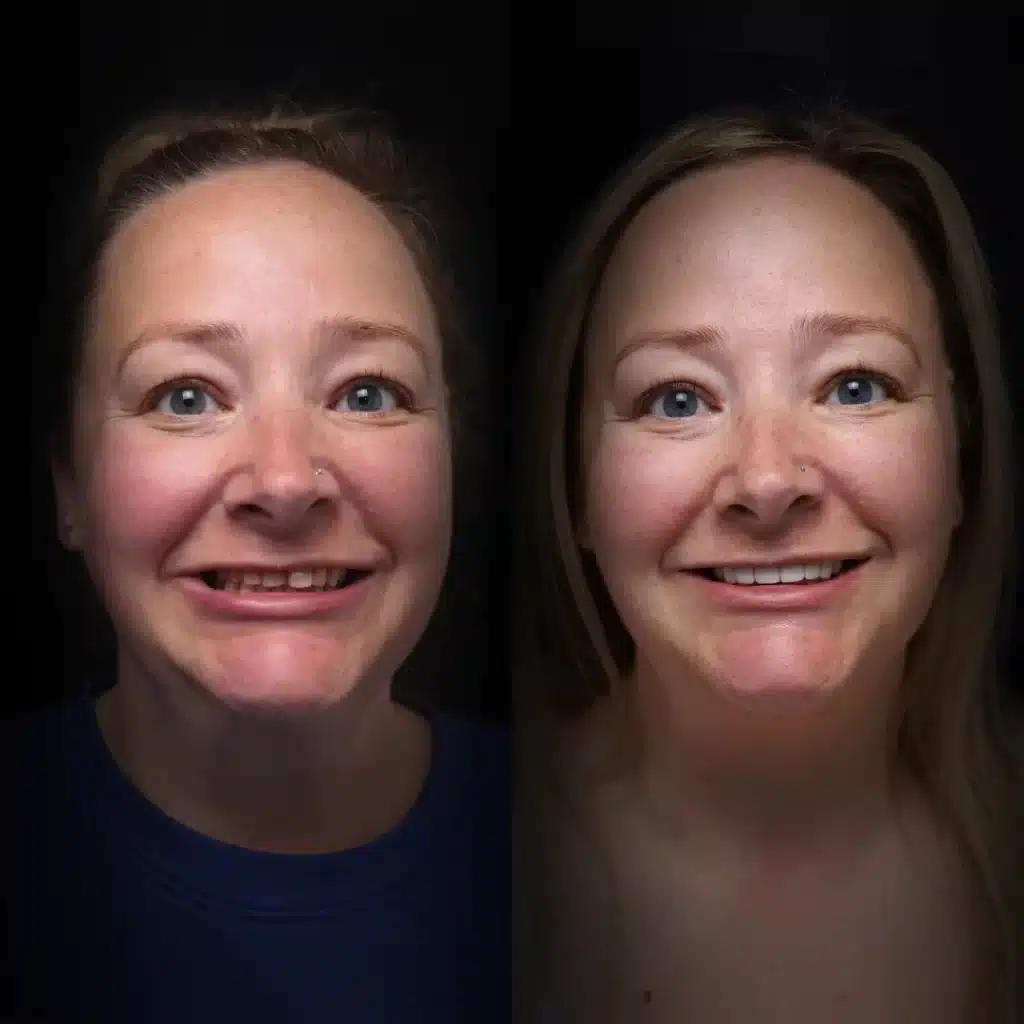
The trips that make the most sense usually involve medium and major complex treatments. That includes multiple crowns, bridges, several dental implants, All on 4 full arch solutions, full or partial dentures, and complete smile makeovers that mix veneers, crowns and gum work.
Popular cosmetic dentistry procedures such as teeth whitening, veneers, and bonding are also widely available in Mexico, performed by specially trained cosmetic dentists. Full mouth rehabilitation, including the commonly offered All-on-4 dental implants procedure, is available for patients needing comprehensive restoration. Traditional dentures are also offered as an affordable tooth replacement option. Advanced treatments are performed by dental specialists in many Mexican clinics. Root canals, extractions and bone grafting are often part of these larger plans.
If you only need a single small filling or a basic cleaning, the cost of flights and hotels will probably outweigh your savings. That said, some people combine minor work with an already planned vacation. In most cases though, dental tourism works best when you have enough treatment volume for the math to be clearly in your favor.
Why Mexico Works Especially Well for North Americans
For US and Canadian patients, Mexico has one advantage that no other dental tourism destination can copy. It is close and convenient. You can reach border hubs such as Los Algodones or Tijuana with a short drive or a quick flight, walk across a land crossing and be in a dental clinic within minutes. Cancun is recognized as a leading dental tourism destination, offering high quality dental care in a vacation setting, with direct flights from many major airports in the US and Canada.
Shorter travel time means less time off work, less jet lag and easier follow up visits if you need to come back for final restorations or checks. Mexico also has long established expat and snowbird communities, so you are not the first person to make this trip. Many clinics and hotels are built around that reality, from bilingual staff to simple shuttle options.
Is Dental Work in Mexico Safe? What Really Matters
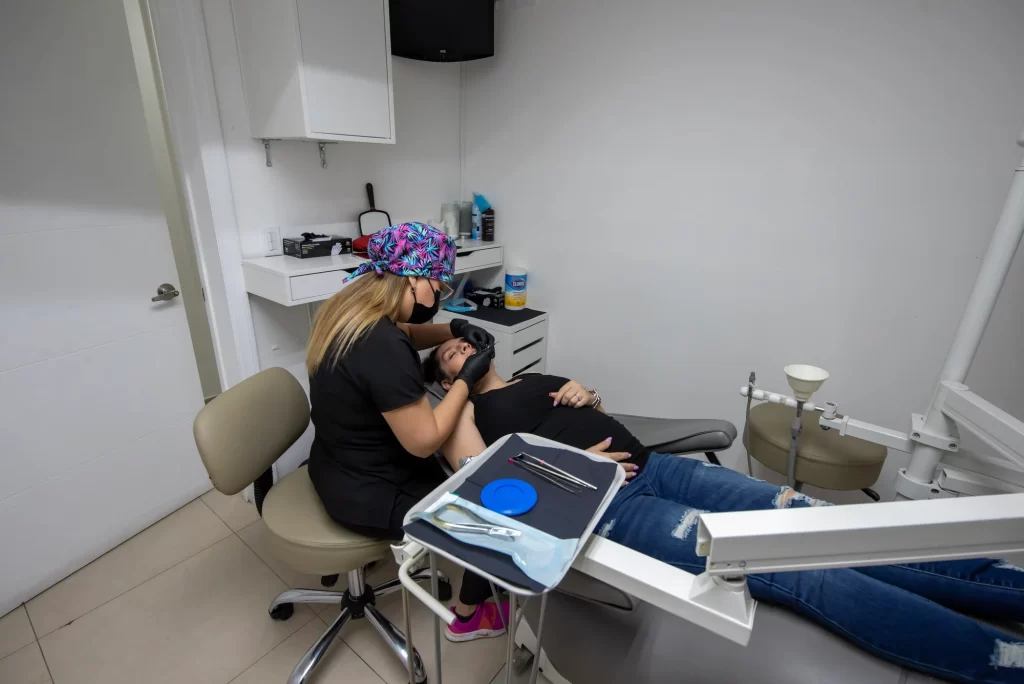
“Is it safe?” is usually the first question people ask about dental tourism in Mexico. It is a fair question. The useful version of that question is a little more specific. What you really need to know is whether a particular clinic and team meet the standards you would expect anywhere, not whether every clinic in an entire country is perfect.
Dental tourism in Mexico is considered safe, especially in popular tourist areas and border towns that cater to foreign patients. However, trust and due diligence are essential when selecting a clinic. Patients should be aware of the potential risks of unverified clinics and always conduct thorough research to ensure the credibility and quality of their chosen provider.
In every country there are excellent clinics, average clinics and places you would not pick. Mexico is no different. Your safety depends on factors like dentist training, sterilization protocols, equipment, lab partners and how many cases similar to yours the team handles each month. In other words, safety depends on clinic-level details you can check, not just on the country name.
Clinic Standards vs Country Stereotypes
When you think about dental clinic standards, start with the basics. Does the clinic feel clean, organized and properly sterilized. Do they use sealed and autoclaved instruments. Is there modern imaging such as digital X rays or CBCT scans for implant planning. Can they show you their infection control procedures if you ask. Patients should verify that the dental clinic is equipped with modern technology and equipment for dental procedures. Reputable clinics are equipped with advanced diagnostic tools and use high-quality, internationally recognized materials for dental work, similar to those used in the U.S.
Dentist training and case experience matter just as much. Many of the best clinics in Mexico have dentists with international courses and professional memberships and long experience with complex implant and restorative work. Others may be more focused on volume and low prices. Sorting between these two groups is where careful research makes a difference.
What Medify Checks When Vetting Clinics
Medify is built around that sorting process. Instead of listing every clinic, we work with a pre-vetted group in key hubs like Los Algodones and Tijuana. The vetting looks at years of experience, specialist training, case volume for implants and All on 4, the brands of materials they use, the imaging and lab technology on site or nearby, and the clarity of their written warranty policies.
State of the art equipment is part of that picture, but it is not the whole story. Medify also looks at how clinics communicate with patients, how they document treatment plans and whether they are set up to handle follow up questions once you are back home. The goal is not to promise perfection. It is to raise the baseline of clinic quality so you are starting from a safer, more predictable pool of options.
When Dental Tourism Is (and Is Not) a Good Fit
Dental tourism in Mexico is not a one size fits all solution. It tends to work best for patients facing significant dental work who are healthy enough to travel and motivated to plan ahead. If you can take a few days away from home, gather your records and follow instructions before and after treatment, you are more likely to have a smooth experience.
There are also cases where staying local may be wiser. If you have serious medical conditions or complex follow up needs, cannot travel without major risk, or require very frequent in person checks with your dentist, a local specialist may be safer even if it costs more.
Where to Go: Main Dental Tourism Hubs in Mexico
Mexico is a big country, but most international dental travelers tend to cluster in a few cities. Each hub has a different personality. Border towns focus on convenience and low travel costs. Resort cities lean into the idea of combining your treatment with a dental vacation. Big urban centers sit somewhere in between.
Medify currently focuses on Los Algodones and Tijuana, because those two hubs offer a strong mix of savings, access and depth for US and Canadian patients. Cancun and other destinations still matter for the bigger picture though, especially if you want a beach setting and accept higher travel costs.
Los Algodones (“Molar City”) – A Walkable Border Town for Affordable Dental Care in Mexico
Los Algodones is often called “Molar City” for a reason. It is a very small town right next to the Andrade Port of Entry near Yuma, Arizona. Once you park on the US side and walk across, you find yourself in a grid of streets filled with dental clinics, pharmacies, optical shops and small restaurants, all within a few blocks.
For many patients, especially retirees and snowbirds, this setup is ideal. You can plan a short day trip or a quick multi day stay instead of a long international journey. Prices in Los Algodones are typically among the most competitive in Mexico, which makes it especially attractive for PPO patients or anyone paying out of pocket for dental implants, crowns or All on 4.
Beyond clinics, the town has a relaxed, local feel. Markets sell crafts and souvenirs, food stands serve regional dishes and many people speak English thanks to the constant flow of visitors from the United States and Canada. If you like the idea of a compact, walkable place with everything nearby, Los Algodones is worth a close look.
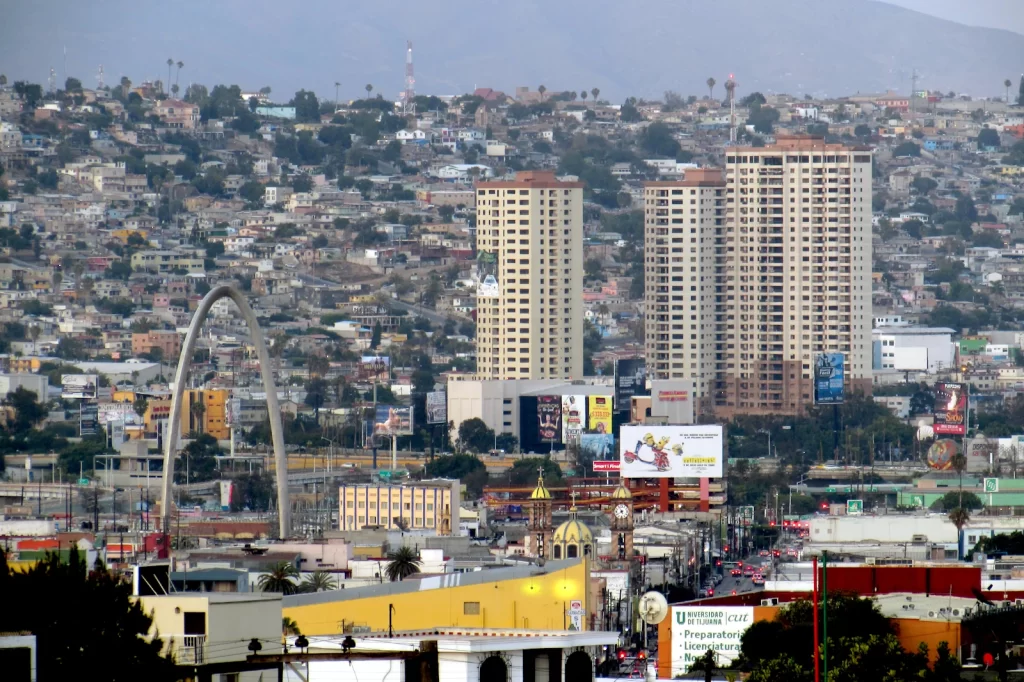
Tijuana – A Big City Hub for Dental Implants and All on 4
Tijuana offers a very different experience. It is a large border city connected to San Diego, which means you have access to big city infrastructure, major airports and a wide range of hotels and neighborhoods. Many clinics here specialize in full mouth reconstruction, complex implants and All on 4 full arch dental procedures.
For patients who need several visits or staged treatment, Tijuana’s scale can be a plus for complex cases. You can base yourself in a hotel zone, cross the border through organized transport, and reach a dental clinic that feels similar to a private practice in a North American city. After surgery days, you still have access to restaurants, shopping and services that can make a longer stay more comfortable.
Medify’s pre-vetted clinics in Tijuana are selected with these more complex cases in mind. Their teams specialize in full mouth reconstruction and are used to detailed planning, advanced imaging, coordination with local dentists back home and clear written warranties. If your treatment is closer to a full mouth rebuild than a few fillings, Tijuana is often one of the first hubs worth considering.
Cancun and Resort Destinations – Vacation Vibe, Different Budget Equation
Resort cities such as Cancun, Playa del Carmen or Puerto Vallarta add another flavor to dental tourism in Mexico. Here, clinics often market turning necessary procedures into part of a holiday. For some people, that mix of sun, sea and dental treatment is very appealing.
The budget equation changes though. While clinic prices in Cancun can still be lower than in the United States or Canada, flights and hotels in resort zones usually cost more than a simple border town stay. Activities, food and local transport may also be priced for dental tourists rather than locals.
If you already love Cancun and would have visited anyway, pairing that trip with dental work can still make sense. If your main goal is to make your dental treatment as affordable and practical as possible, border hubs often win on total cost once you add every line of the budget together.
Why Medify Focuses on Los Algodones and Tijuana Right Now
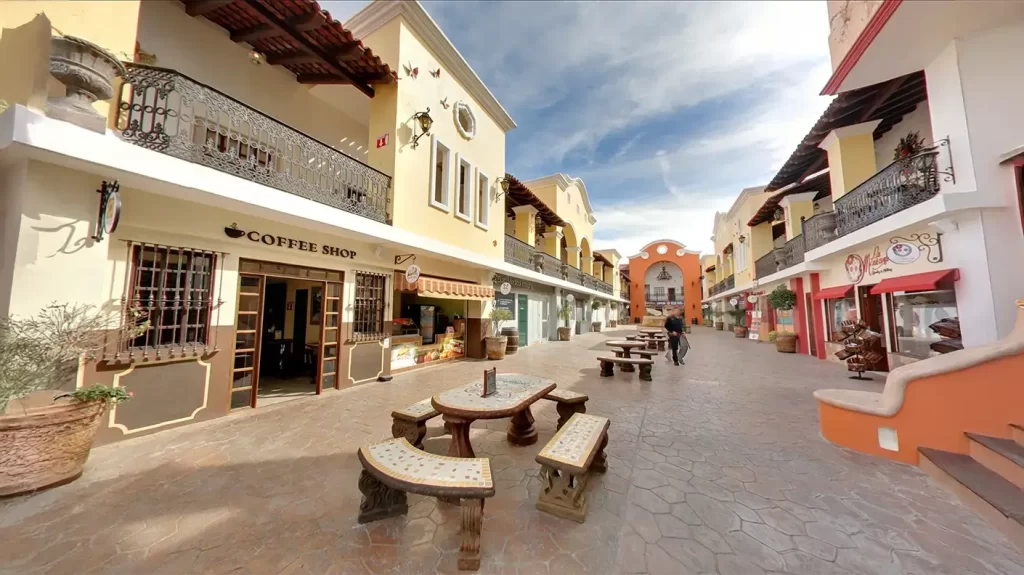
Medify’s decision to focus on Los Algodones and Tijuana is not random. These hubs combine three things that matter for US and Canadian patients: strong potential savings and simple travel, clinics that can meet modern standards, and routes that are relatively easy to repeat if needed.
By concentrating on a smaller number of destinations, Medify can vet clinics more deeply, maintain close relationships with their teams and support you with practical details such as shuttle options and nearby accommodations. The idea is to make dental tourism in Mexico feel less like a guess and more like a guided, transparent process for patients.
How Much You Can Save: Mexico vs the US and Canada
When people talk about dental tourism in Mexico, savings are usually the first thing they mention. The real question, though, is how those savings look once you add flights, hotels and the full plan. You are not just comparing a single price tag. You are comparing two very different ways to get high-quality care.
The starting point is simple. Dental work in Mexico is often significantly less expensive than in the United States or Canada, especially for dental implants and full mouth work.
Example Price Logic for Common Treatments
Instead of memorizing specific numbers, think in patterns. A single filling will not transform your budget. A full arch of implants or a combination of several crowns, bridges and extractions might. Grouping procedures together clarifies the math and shows where dental tourism actually helps.
Imagine you need several dental implants, some bone grafting and crowns on top. In a typical US setting, that plan might feel completely out of reach. In Mexico, each step in that chain tends to cost less, and the total often adds up to a figure that is still serious but finally realistic. That is the space where dental tourism really lives.
Medify leans into this reality by showing you transparent price ranges rather than one single price. Partner clinics in Los Algodones and Tijuana provide quotes that reflect your actual case, materials and timeline, which means you are looking at tailored numbers instead of a generic price list that may not match your mouth.
Looking Beyond the Sticker Price: Flights, Hotels and Time Off
Of course, you will not be living in the dental chair. Flights, gas, hotels, food and time off work are part of your real cost. This is where destination choice starts to matter as much as clinic choice. Non-dental costs are part of the picture, not just a footnote.
Border hubs like Los Algodones and Tijuana usually keep travel costs lower. You can drive or take a short flight, cross the border, and stay in a modest hotel near your clinic. Resort cities like Cancun introduce different math. You might pay more for airfare and beachfront accommodation, even if the dental clinic fees themselves are reasonable.
So the question is not only “How cheap is the crown or implant” but “How much will this entire plan cost me from door to door”. Thinking this way makes it easier to compare your options honestly.
How Medify Helps You Estimate Your Real Budget
It can be hard to calculate all those moving parts alone. Medify helps by combining treatment information with travel details for its main hubs.
With a Free Virtual Diagnostic, you can share your situation, photos and any existing X rays. Pre-vetted clinics then suggest likely treatment routes and price ranges. From there, Medify’s team helps you understand how many days you might spend in town, what kind of accommodation fits your budget and what transport options are available.
The result is not a perfect prediction, but a much clearer picture. You can see whether dental tourism fits your finances before you request time off work or book a ticket.
How a Typical Dental Trip to Mexico Works Step by Step
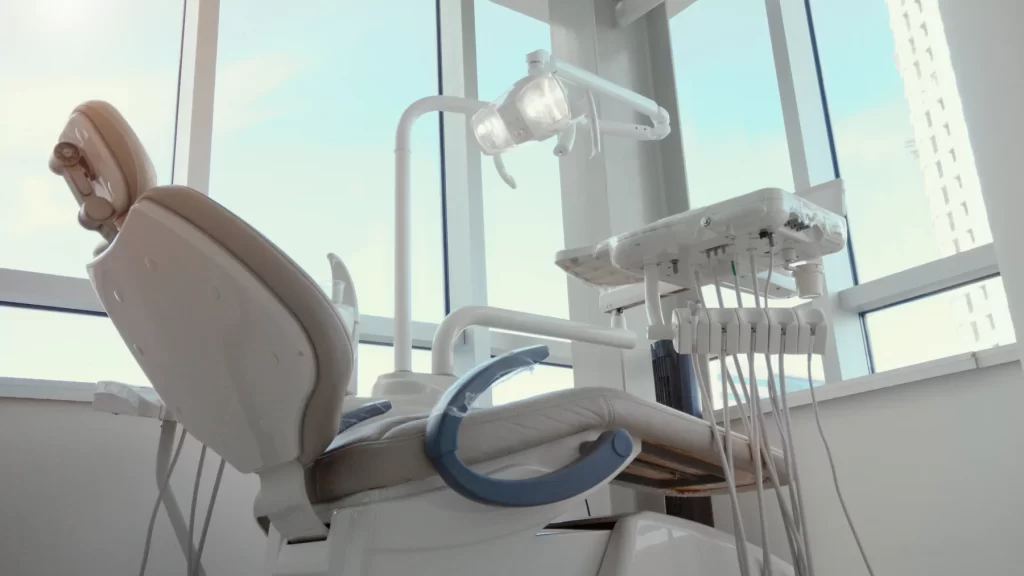
Knowing the flow of a dental trip makes the idea feel less abstract. While every case is different, most journeys follow a similar pattern. You research, you plan, you travel, you treat, then you follow up. Patients may want to bring a companion for support during their dental trip, as many clinics accommodate this for added comfort and safety.
Step 1 – Online Research and Free Virtual Diagnostic
Most stories begin in front of a screen. You search for dental tourism in Mexico, read guides like this one and start comparing cities and clinics. At some point, you will want more concrete answers about your own teeth, not just general information.
That is where Medify’s Free Virtual Diagnostic comes in. You share your main concerns, a bit of background and any recent scans you may have. In return, partner clinics suggest possible treatment approaches and give you an early sense of timing and cost.
If you are interested in dental tourism Mexico, take the next step and contact us to learn more about cost savings and available procedures from trusted clinics.
Step 2 – Choosing Your City and Pre Vetted Clinic
Once you understand roughly what you need, you can choose where to go. If you value short trips, low travel costs and a walkable setting, Los Algodones often makes sense. If your case is more complex or you prefer a big city with many hotel choices, Tijuana may be a better match. Within those hubs, Medify presents a selection of pre-vetted clinics.
Step 3 – Planning Travel, Shuttle and Accommodation
With a city and clinic in mind, you move into practical planning. You look at flights or driving routes, choose travel dates and pick a hotel that balances comfort and budget. Many patients like to stay within a short ride or walk of the clinic, especially on surgery days.
You don’t have to worry about having trouble finding the clinic, Medify’s bilingual team helps you navigate this stage. They can suggest hotel areas that past patients have found convenient, explain shuttle or private transfer options from the airport or border, and make sure your appointment schedule lines up with travel. Instead of piecing everything together alone, you have a guide who knows how these trips usually unfold.
Step 4 – First Visit: Consult, Imaging and Final Treatment Plan
When you arrive at the clinic, the first visit is about confirming details. The team will review your health history, talk through your goals and perform a clinical exam. For dental implants and All on 4, digital X rays or CBCT scans are common tools to plan safely and precisely.
Your final treatment and quotes depend on in-person examinations and verified imaging. Preliminary estimates provided before your visit are not final; only after a thorough in-clinic evaluation can your treatment plan, schedule, and cost breakdown be confirmed.
Only after this in person assessment do you receive a final treatment plan, schedule and cost breakdown. This is your chance to ask questions about materials, timelines, healing, warranty terms and what to expect after you return home.
Step 5 – Treatment, Recovery and Follow Up
Treatment itself may unfold over a single visit or several stages. For example, dental implants often involve placing the implants, allowing time for healing, then returning for final restorations. All on 4 can sometimes follow a similar pattern with immediate temporary teeth and a later visit for the permanent set. During your stay, the dental clinic will check your progress and adjust as needed.
When it is time to go home, you should leave with clear written instructions and contact details, plus an understanding of what is and is not covered by your clinic’s warranty. Some follow up can happen remotely through photos or video calls. In other cases, your local dentist may coordinate with your Mexican clinic if any issues arise.
Dental Tourism in Mexico vs Other Countries
Mexico is not the only option if you are willing to travel for dental care. Countries like Turkey, Costa Rica, Hungary, Poland or Thailand also attract international patients. For someone living in North America, though, the balance of factors often tips toward Mexico.

Mexico vs Turkey, Costa Rica and European Hubs
Destinations like Turkey or Thailand can offer attractive clinic prices and the chance to see a very different part of the world. The tradeoff is distance. Long flights and higher travel costs enter the picture, as well as limited ability to return quickly if you need follow up.
Costa Rica is closer and popular for both medical and dental tourism. For many US and Canadian patients, Mexico edges ahead on convenience and access and on the number of clinics tailored to their expectations. European hubs such as Hungary or Poland serve mostly European patients, which makes them less practical for someone starting in North America. Just take into account that december is a peak travel period for dental tourism in Mexico, with higher demand and special rates.
When Another Country Might Still Make Sense
There are also situations where another country could be the right call. You might have family in a particular place, want to combine treatment with a long planned holiday, or feel more comfortable with a dental clinic you have already researched in depth abroad. The important thing is that you make that choice with your eyes open. Consider travel time, total cost, clinic standards and how follow up would work, then compare those factors calmly with what Mexico offers.
FAQs About Dental Tourism in Mexico
Is it safe to get dental work in Mexico?
It can be safe when you choose a clinic that meets strong standards for training, sterilization, materials and imaging. Quality varies, so safety depends on the specific team you work with, not just the country.
How much can I really save with dental tourism in Mexico?
Many patients report significant savings on major treatments compared to US or Canadian prices, especially for implants and full mouth work. Your actual savings will depend on your treatment plan, clinic and travel spend.
How many trips will I need for implants or All on 4?
Most procedures can be done in one longer visit, while others require two or more stages with healing time in between. Your clinic will outline a schedule that fits your case after reviewing your situation in person, and you can decide whether that timeline fits your life.
Will my US or Canadian medical or dental insurance help at all?
Some PPO plans reimburse part of out of network care with licensed dentists in Mexico, but many HMO plans do not. It is important to check directly with your insurer before you plan your trip, so you know whether to expect any reimbursement.
Do dentists in Mexico speak English?
In main dental tourism hubs like Los Algodones and Tijuana, many dentists and coordinators speak English and work with international patients every day. Medify’s partner clinics also provide bilingual staff so explanations are clear and paperwork is easier to understand.
What happens if I have a problem after I go home?
If an issue arises, you can contact your clinic to discuss next steps. Sometimes a minor adjustment can be handled by a local dentist, and in other cases you may need to return. Warranty policies outline what is covered and for how long, so it is important to review them before treatment starts.
Next Steps: How Medify Helps You Plan Your Dental Trip
By now you know that dental tourism is neither a miracle shortcut nor a reckless gamble. It is a structured way to access significant dental care, as long as you choose carefully and plan properly.
Patients can trust Medify’s process, which has earned a reputation for quality and reliability in dental tourism. That is exactly the space where Medify is meant to help.
Start With a Free Virtual Diagnostic and Quote
A simple way to begin is to request a Free Virtual Diagnostic. You share your main concerns, a bit of history and any existing X rays or treatment plans. Pre vetted clinics review your information and suggest potential options, along with indicative price ranges.
From there, you can request a quote, see prices and ask focused questions instead of starting from scratch at every clinic website you visit.
What to Prepare Before Talking to Medify
To make that first conversation more productive, gather a few basics. Any recent X rays and written plans help, as does a short list of medications or relevant health conditions. It also helps to have a rough idea of your budget and how many days you can realistically be away from home.
You do not need everything perfect before you reach out. Think of this preparation as a way to give clinics a clearer picture of your needs so that recommendations and quotes match your real situation more closely.
Making an Informed Decision That Fits Your Life
In the end, choosing dental tourism in Mexico is a decision about health, finances and travel. No guide can make that call for you. What it can do is give you the tools to decide wisely.
Medify’s role is to connect you with pre-vetted clinics, bilingual support, transparent information and practical logistics so you can see your options clearly before you commit.
If you are ready to explore whether Mexico is the right next step for your smile, you can start by requesting a quote or asking about travel and shuttle support. The rest unfolds one informed step at a time.
