
If you’re Googling “root canal recovery,” chances are you’re looking for the lowdown on what your body is going through, when to expect some relief, and when to reach out to your dentist.
Most of the stress of recovery comes from not knowing what’s normal, not from the pain. Once you get a handle on the day-to-day of healthy healing of this dental procedure, it gets a whole lot easier to take it easy and let your body do its thing.
The Reality of the Root Canal Recovery Process
A root canal procedure is done by a dentist or endodontist to deal with an infected or damaged tooth, usually as a result of deep decay or an infection. The dentist or specialist removes the infected pulp from inside the tooth, cleans out the canal spaces, and seals them up to prevent bacteria from coming back in. Local anesthetic helps keep you comfortable, and teeth with multiple roots (like molars) might require a bit of a tricky approach.
Your Root Canal Recovery Timeline
The First 2-6 hours (The initial discomfort while you’re numb)
You’re going to feel a bit off because you will still be under the effects of the local anesthesia, with some mild to moderate discomfort and tenderness in the tooth that was treated, especially when you bite or tap it. Your jaw might also feel pretty tired from the root canal procedure. This is all normal as your body starts to heal, and this discomfort usually peaks in the first 24-48 hours, then starts to ease off.
There’s a chance of a bit of swelling, but it shouldn’t get any worse. Applying a compress to your cheek can help take the edge off. Rest and staying hydrated help too with the recovery.
The First 24 Hours
You’re going to feel a bit off, with some mild to moderate discomfort and tenderness in the affected tooth, especially when you tap it or bite lightly. This is all normal in the first 24 hours as your body starts to heal. Your jaw can feel pretty tired, which is pretty annoying but totally normal. Most of the discomfort usually peaks in the first 24-48 hours, then starts to ease off, but significant swelling around the affected tooth is pretty common and usually goes away within a few days. A cold compress on the cheek can help reduce swelling and ease any pain. If you do get some swelling, it’s usually not too bad and shouldn’t keep getting worse.
Days 2-3, the Most Notable Period
This is when most people start to feel the discomfort more, but it’s not because anything’s wrong; it’s just because the tissues are still settling in. Mild discomfort and moderate soreness are normal and usually ease off after a couple of days.
You might feel a sharp pain when biting or a dull ache after chewing. Try to chew on the other side and avoid chewing with the tooth, as that can prolong irritation. Pain relief medication, cold compresses, and following your dentist’s instructions can all help. If your bite feels off, like the treated tooth hits first, get in touch with your dentist; a small adjustment can make a huge difference in comfort.
Days 4-7
By now, most patients experience a smooth recovery and can get back to normal activities within 3-5 days, with many able to go back to work after 2-3 days. Following your dentist’s aftercare instructions can help ensure a speedy recovery. However, some people may take longer to heal, especially if they had a bigger infection before treatment or if their overall health affects healing. What matters is that you’re steadily improving over time. If you’re not getting any better, or if your symptoms come back after they’ve gone away, or if you’ve got a lot of pain that lasts more than a few days after your root canal, get in touch with your dentist.
How to Speed Up Your Healing Process (without overdoing it)

Here are some tips for optimal healing after your root canal treatment.
Managing Pain basics
Acetaminophen and other over-the-counter pain relievers are usually enough to get the job done and manage pain after a root canal. Follow your dentist’s guidance, especially if you’ve got any medical conditions that affect pain medication choices.
If you’ve got any medication prescribed, make sure to take it exactly as directed to help support a smooth recovery and reduce the risk of any complications. Simple habits make a real difference too: rest, stay hydrated, stick to soft foods, and don’t push it too hard too soon; that just keeps tenderness around for longer.
Eating Rules That Protect the Tooth
After a root canal, the tooth can be more vulnerable until it’s fully restored. If you’re left with a temporary filling or crown, making sure it stays safe is going to be key to a full recovery.
Use these basic rules for the first few days:
- Eat soft foods, like scrambled eggs, yogurt, mashed potatoes, smoothies, and creamy soups. These types of food help avoid discomfort and irritation in the treated area.
- If you prefer smooth soups to broth, they’ll be gentler on your mouth during this time.
- Chewing should be on the other side of your mouth when possible.
- Avoid foods that are sticky, as they can tug on a temporary.
- Avoid hard or crunchy foods that could crack a weakened tooth.
- Gradually introduce solid foods back in as healing progresses and the pain subsides.
- Don’t drink hot beverages for the first few days, or you might irritate the area.
- Avoid cold foods to keep discomfort to a minimum.
- Avoid spicy or acidic foods for a few days after a root canal, as they might be irritating.
Don’t rush hot drinks right after treatment. If your mouth is still numb, the temperature can be tricky to gauge.
If you do have a temporary filling, skip gum, ice, and nuts on that side until you get your final restoration, even if it feels fine.
Brushing, Flossing, and mouthwash
Keep up your good oral hygiene routine, but take it easy around the treated area. Proper healing and long-term health of the tooth require this care. Use a soft-bristle toothbrush and gentle pressure to avoid irritating the area.
Floss as you normally do, but slide it gently to the side if the gum feels tender. If your dentist recommended a special rinse, use it as directed. If not, a warm saltwater rinse can feel soothing. Some people also find that an antibacterial mouthwash helps prevent infection and aids healing.
When you’re planning treatment away from home, how you take care of yourself really comes down to smaller daily decisions. Medify can help you figure out your options and coordinate with support in your language, but when it comes to day-to-day healing, it’s the basics that count.
What’s normal vs what needs a call
Some tenderness after a root canal is normal; what really matters is which way things are going. Ideally, each day should be a little bit easier.
Normal (common but not fun):
- Some mild soreness or feeling of being “tired to bite” for a few days.
- A tired jaw from having your mouth open all the time.
- Some sensitivity to the gum around the treated tooth.
If you experience severe pain or swelling after a root canal, you should contact your dentist immediately.
Call your team if:
- Pain gets worse after day 3 or comes back after it seemed to be getting better.
- Swelling gets worse, spreads, or starts to affect swallowing.
- You get a fever, get chills, or just feel generally unwell.
- There’s a bad taste, drainage, or a pimple-like lump on the gum.
- Your bite feels “off” (the tooth bites first).
- Severe pain doesn’t get better.
- You start to notice symptoms that just don’t feel right.
- You see signs of an allergic reaction (rash, itching, trouble breathing).
If you’re unsure, call anyway; a quick check can prevent a lot of discomfort.
The follow-up care many people miss: getting the tooth finished (crown placement vs filling)
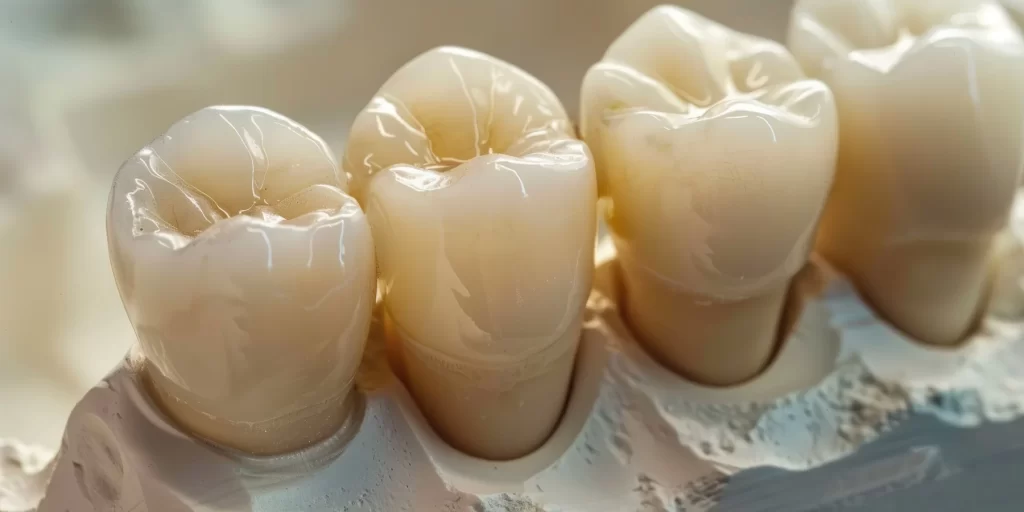
A root canal just treats the inside of the tooth, but the tooth itself can still be fragile until it is fully restored. A permanent crown is key in keeping the tooth safe for the long term, as it prevents it from breaking and restores its strength. Your dentist will usually schedule a follow-up appointment within a few weeks to keep an eye on how things are healing and check for any signs of infection. Keeping up with these follow-up appointments is what really takes your recovery to the finish line.
Why the tooth can feel “fine” but still be at risk
Treated teeth can have big fillings or weakened structures, which is why a tooth can feel okay but still be a risk when you go back to normal eating.
Dentists usually recommend a crown after a root canal for a molar or premolar because those teeth take a lot of biting pressure. Your dentist will work out whether a crown is needed based on the state of your tooth and how much filling it needs.
When a crown is typically recommended
If you leave the dentist with a temporary filling or crown, avoid sticky and crunchy foods, and don’t just go ahead and “test” the tooth. Think of the temporary as protection, not a forever solution.
If you’re traveling for treatment: Plan recovery like a checklist
Travel adds one extra question: what happens if your symptoms change after you get home? A bit of planning now can help you follow things up down the line and keep you calmer later.
When you book your appointment, ask if you’ll need a crown & whether it can all be done in one trip.
- Sort out the follow-ups in advance & know which photos to send if they need them.
After you’ve had your treatment:
- If you can, take an extra day off to recover.
- Keep a copy of your instructions, especially any imaging pics, handy at home in case you need to refer to them.
- Keep a close eye on the treatment area for any changes, pain, or anything unusual & don’t be afraid to give your dentist a call if things don’t seem right.
- Get back to your dentist for regular checkups to help keep your teeth healthy & catch any issues early on after you’ve recovered from your root canal.
Back to normal activities: work, exercise, and everyday life
Getting back to your routine after a root canal is pretty simple; usually, most people can get back to everyday activities within a day or two. The key is to stick to the aftercare instructions and just listen to your body to make sure you don’t do anything that would mess up the healing process.
Work: Generally, returning to work is pretty straightforward; you can usually go back the next day, especially if you sit at a desk all day. If you have a job that involves heavy lifting, taking an extra day off can help avoid putting too much strain on the treated tooth & reduce the risk of pain or swelling.
Exercise: You can usually get back to light activities like walking in 2-3 days, but try to steer clear of anything too strenuous for at least 24 hours. Ease back in slowly & avoid anything that could put any pressure on the treated area.
Everyday life: Most people can drive and get on with errands within a day, but if you’ve had any sedation, you might want to get a ride & give yourself some extra time to recover. Stick to soft foods for a bit, think yogurt, eggs, or mashed potatoes, and avoid anything hard or chewy that could mess up the treated tooth or temporary filling.
How Medify helps with decision-making
Medify helps patients in the US & Canada find pre-vetted clinics in Mexico and get a better understanding of their treatment options before you head out. Support often includes a Virtual Diagnostic, bilingual communication & pricing guidance to make it easier to compare plans.
It also asks the questions that will protect your backside later on. It helps you confirm what imaging you’ll need, the materials they’ll use, and even how you’ll get a crown, and what’s covered in your warranty.
If you’re thinking about getting a root canal, crown, or follow-up care, Get Your Free Quote with Medify to start a conversation and compare your options.
