
Why So Many People Look Abroad for Cheaper Dental Work
For many patients in the United States and Canada, dental care is where the limits of the system are most visible. Preventive cleanings and small fillings may be manageable, but expensive dental treatments such as dental implants, All-on-4 full-arch restoration, multiple crowns, extensive veneers, root canals or full mouth reconstruction are different. A single implant can cost several thousand dollars at home, and once you multiply that by four, six or more, treatment can feel impossible.
Millions of people each year seek affordable dental care in certain countries due to the affordability and quality of treatment available, making dental tourism a widespread solution for those facing high costs at home.
Insurance often does not close that gap. Many plans cap annual benefits at levels that might cover one crown or a fraction of an implant, leaving you to pay the rest out of pocket. Other plans classify certain dental procedures as cosmetic and exclude them entirely, so even diligent preventive care can still end in dental treatment plans beyond reach. For those who cannot apply for insurance benefits or subsidies, seeking a dental treatment abroad becomes an accessible and practical alternative.
That is where dental tourism comes in.
Online searches quickly surface destinations like Mexico, Turkey, Thailand, Hungary, Costa Rica, India, Colombia and more, often with promises of savings of 50 to 70 percent on quality dental implants and other major dental procedures. The medical tourism industry has seen rapid growth, with dental tourism destinations emerging as a major segment due to rising costs and increased availability of quality dental care abroad.
Dental clinics abroad often use the latest technology and high-end materials, comparable to those found in Western countries. It is an appealing message when you feel out of options, but it is important to remember that these numbers are usually averages rather than guarantees.
Medify’s role in that picture is simple. It is a medical travel platform that helps US and Canadian dental tourists nect with pre-vetted dental clinics in Mexico instead of scrolling through dozens of ads and guessing which clinic to trust. You still make the final decision, but the process is clearer and less overwhelming.
How to Judge the “Cheapest Country for Dental Work”
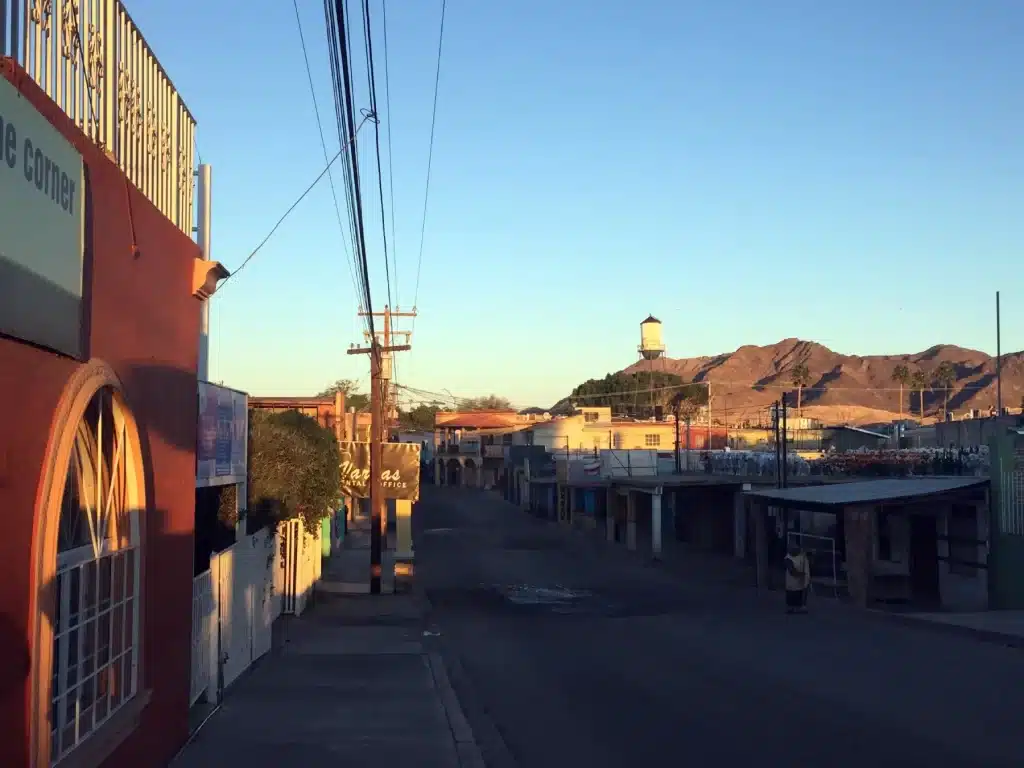
Searching for the cheapest place for dental work can feel empowering at first. Then you start seeing different prices from country to country, and even clinic to clinic in the same city, and the picture becomes more confusing than clear. Favorable currency exchange rates and the lower cost of living in certain countries make advanced dental treatments significantly more affordable for foreign visitors. The reason is that “cheap” always has two layers you must balance.
When comparing prices, keep in mind that affordability is often due to lower labor costs, competitive markets, and the availability of high-quality materials and advanced technology in these countries.
Sticker Price vs Total Trip Cost
Most articles about the cheapest countries for dental work focus on the headline figure: how much an implant, an All-on-4 case, a crown or a veneer costs in each place. Those figures have value and give you a rough sense of how far your money might go in Mexico, Turkey, Thailand, Hungary, Costa Rica or elsewhere. However, they are only one part of the picture and sometimes not the most important part.
The total cost of dental tourism includes everything you have to pay to make the dental treatment abroad actually happen, not just the line items in a dental clinic’s estimate. That means flights or gas if you are driving, hotel nights, meals, local transportation, travel expenses, days of work you miss and the cost of follow-up visits if something needs to be adjusted. For faraway destinations you may also need to allow extra time for jet lag and healing before you can safely fly back, which adds hidden costs to your plan.
For US and Canadian patients, that is where Mexico often stands out. The sticker price for a single implant in Turkey might be slightly lower than in Mexico on a price chart, but a round-trip ticket from North America to Istanbul or Bangkok is very different from a short flight to the border or a drive to a crossing near Los Algodones or Tijuana.
Safety, Materials and Long Term Value
The other major factor in “cheap” is quality. A low price is only a bargain if it’s a high-quality treatment that lasts and you feel comfortable with how it was delivered, especially for dental implants and complex restorative work. These dental procedures rely heavily on careful planning and good materials. When considering dental work abroad, it’s essential to verify the clinic’s safety protocols and the qualifications of the dentists, including their education, credentials, and any international certifications.
When you look at dental clinics abroad, pay attention to the implant systems and materials they use, not just the price they quote. Reputable clinics are transparent about implant brands, ceramics for crowns and veneers, and whether they use in-house or external labs. Modern imaging such as CBCT scans and digital impressions can improve diagnosis and planning, especially for All-on-4 and full-arch solutions, and robust sterilization protocols are non-negotiable for patient safety. Many clinics in popular destinations offer quality dental care that is comparable to, or sometimes even exceeds, that found in most Western countries. While safety is a common concern for those seeking dental treatments abroad, many clinics maintain international standards of care to ensure patient safety.
Some of the Cheapest Countries for Dental Work at a Glance
The countries most often cited as cheapest for dental work include Mexico, Turkey, Thailand, Hungary, Costa Rica, Colombia, India, Poland, Croatia, Vietnam, and the Dominican Republic. For US and Canadian patients, Mexico is the most popular destination, often offering cost savings of 50-70%. Its proximity, renowned dental hubs like Los Algodones, Cancun, and Tijuana, and the large number of dental clinics make it the primary choice for North Americans seeking affordable dental treatments.

Here is a simple way to think about what each region tends to be known for, keeping in mind that individual dental clinics can vary widely:
- Mexico: very popular with US and Canadian patients, especially for dental implants, All-on-4, crowns and full mouth work. Border hubs such as Los Algodones and Tijuana let many people combine lower prices with short travel times and modest day-to-day expenses. Mexico is the most popular destination for North Americans, with a large number of patients traveling each year for savings of 50-70%.
- Turkey: frequently highlighted for low prices on implants and smile makeover packages, particularly for European and UK patients. Many dental clinics bundle dental treatments with accommodation and local transfers, creating package-style dental trips.
- Thailand: known for strong cosmetic dentistry and a mature medical tourism sector. Thailand is a renowned place in Asia for dental work, attracting over 3 million medical and dental tourists annually. Patients often combine dental work with longer stays in Bangkok or on the islands, which can be attractive if you are already planning travel in the region.
- Hungary: sometimes called a dental capital of Europe, especially Budapest. Many patients from neighboring countries, the UK and Western Europe travel there for dental implants, crowns and bridges at lower prices than at home. Hungary is renowned for its high standards and international reputation in high quality dental care.
- Costa Rica and Colombia: appealing to North and South Americans who want to mix treatment with a vacation setting. Costa Rica is known for its high healthcare standards and affordable dental services. These countries can be good options for people comfortable with a several-hour flight and a slightly longer stay.
- India: a leading place in Asia for affordable dental implants due to its low cost of living and vast network of renowned clinics with experienced professionals. India is known for its affordable dental implants and attracts a significant number of international patients each year.
- Vietnam: an emerging place in Asia with a rapidly growing dental tourism industry, attracting patients with affordable prices and an increasing number of modern clinics.
- Dominican Republic: offers high-quality dental services at competitive prices, particularly for North Americans seeking affordable dental care close to home.
- Poland and Croatia: additional destinations where lower living costs translate into more affordable dental fees. They are more common choices for regional patients or those with specific travel preferences and ties.
Top Dental Tourism Destinations for US and Canadian Patients
From a global perspective, several countries could compete for the title of “cheapest” for dental work. Certain countries stand out not only for their affordability but also for the high quality of dental care they provide, making them especially attractive to dental tourists. The main things that make dental tourism destinations appealing include affordability, quality of care, and the opportunity to travel.
Once you narrow the question to “cheapest and most realistic for someone living in the US or Canada,” distance, language, flight availability and the ease of repeat visits all start to matter almost as much as the clinic’s price list.
Mexico: Closest and Often Lowest Total Bill
For most US and Canadian patients, Mexico is the natural starting point when considering dental tourism hubs. It offers significantly lower clinical fees than home for implants, All-on-4, crowns, veneers, root canals and more, while remaining geographically close. Patients can benefit from a substantial discount on dental treatments compared to the US and Canada, making high-quality care much more affordable. For many people in border states, Los Algodones or Tijuana can be reached by driving to a crossing point and walking across, while others use a short flight and a shuttle. This combination often leads to the lowest total treatment budget.
Within Mexico, there are several dental hubs, but border towns carry unique advantages. Los Algodones is a compact town where some of the best dental clinics, pharmacies, optical shops and many services for visiting patients are located within a walkable area near the border. Tijuana, just south of San Diego, is larger and more urban, but also highly experienced in treating international patients, with bilingual staff and written estimates in English.
Costa Rica and Colombia: High-quality Care Plus Vacation

Costa Rica and Colombia are also prominent on the map of affordable dental destinations for North Americans. Many people are drawn to the idea of combining treatment with a change of scenery, such as a few days in San José followed by time in a quieter area or a stay in a Colombian city with cultural attractions and nearby nature. For patients who enjoy travel and have flexibility, care plus vacation can be appealing.
From a price standpoint, Costa Rica and Colombia often offer substantial cost savings compared with US and Canadian fees, especially for dental implants, crowns and cosmetic dentistry. However, total trip cost usually includes at least one longer flight and more hotel nights than a quick border trip to Mexico, so affordability depends on your travel style.
Turkey, Hungary and Thailand for North Americans
Turkey, Hungary and Thailand are all frequently listed among the cheapest countries for dental tourism. For many European, UK or regional patients, those rankings are meaningful because flight times are reasonable and there is a strong tradition of traveling there for dental care. Dental implants in Turkey cost between $400 and $1,000 per implant, which is significantly lower than in the United Kingdom and other Western countries. In Thailand, dental implants range from $750 to $2,300 for individual implants. For North Americans, the calculation looks a bit different.
From the US or Canada, trips to Istanbul, Budapest or Bangkok mean long-haul flights, higher overall travel costs and substantial time zone shifts. That changes the cost and effort involved, especially if you need more than one visit. Returning for follow-up appointments is a much bigger decision than crossing the border again for a few days.
Even though these countries might offer very low sticker prices on implants or veneers, the true cost for a North American patient is often closer to Mexico once everything is added up. They may still make sense if you already plan a long trip to the region or have a trusted clinic there, but for many people, Mexico remains the more practical blend of cost and convenience.
Why Mexico Is Often the Best Value for Dental Work
Shorter Travel and Easier Follow Up from the US and Canada
When you look at a map, Mexico’s main advantage for US and Canadian patients becomes obvious: it is close. Cities near the border allow many people to drive to a crossing point, park and walk into towns like Los Algodones, or fly to a nearby airport and take a short shuttle to Tijuana. This matters when you feel nervous about treatment or have limited vacation days to use.
Shorter travel also makes follow-up aftercare more realistic. If you need staged implant work, adjustments to a prosthesis or a quick check on healing, returning to Mexico usually feels manageable. You might need only a few days away from home each time instead of organizing a new long-haul trip, which reduces both stress and total cost.
How Mexican Prices Compare With Other Hubs
Border hubs like Los Algodones and Tijuana tend to keep overall trip expenses down. Lodging, meals and daily transportation can be modest, especially if you stay in practical accommodation near the clinics. Resort destinations such as Cancun may have higher hotel and medical tourism costs, which can raise your total bill even if clinic fees are competitive, so destination choice directly affects your budget.
When you compare Mexico with other popular countries, the picture is similar. For example, the cost of a single dental implant in Mexico ranges from $750 to $1,270, compared to $3,000 to $5,000 in the United States and €700 to €1,200 in Hungary. Turkey, Hungary or Thailand may sometimes show slightly lower procedure prices on paper, but once you factor in longer flights, extra hotel nights and the difficulty of returning for follow-ups, Mexico often remains the more economical choice for North Americans. The key is to compare not just treatment fees but the entire journey from door to door. For more detailed information about dental implant costs in different countries, consult comprehensive guides or resources on dental tourism.
Strengths of Los Algodones and Tijuana Specifically
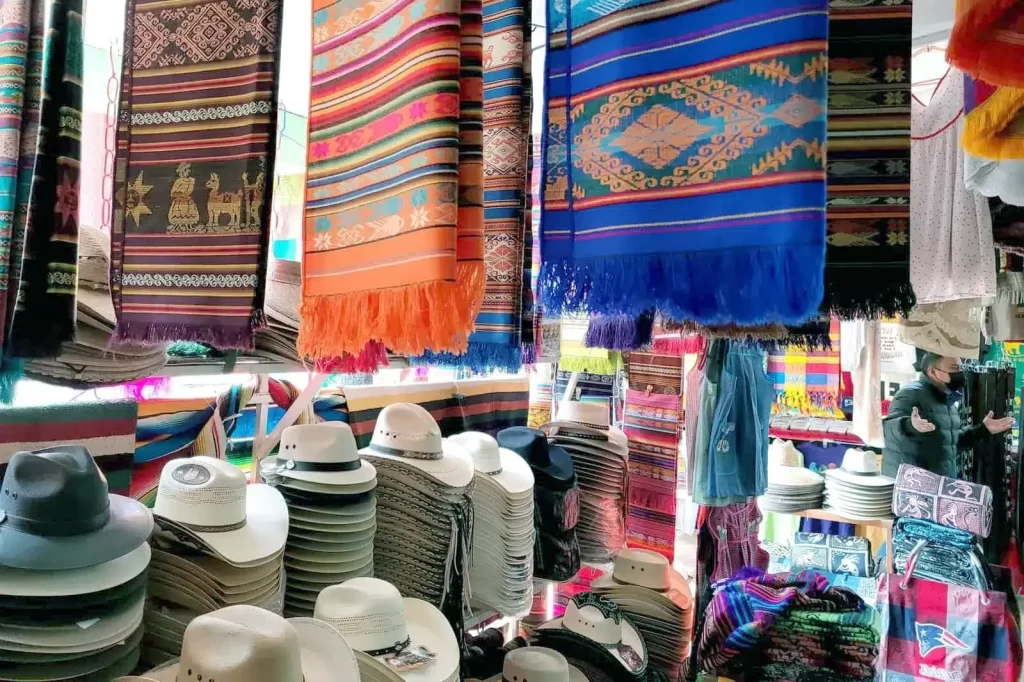
Los Algodones and Tijuana stand out inside Mexico because they are built around serving international patients, especially from the US and Canada. Both cities are renowned for their top dental clinics, which attract patients worldwide seeking high-quality, affordable dental care. In Los Algodones, reputable dental clinics, pharmacies, optical shops, restaurants and other services are clustered within a walkable area near the border, which makes daily logistics very simple.
Tijuana offers a different but equally practical experience. It is a larger city just south of San Diego, with a mix of modern dental clinics, hotels and urban amenities. Many dental centers coordinate shuttles from the airport or border, so you are not left navigating transit on your own, and you can still experience real everyday Mexican city life.
In both locations, Medify works with dental clinics that meet specific standards for technology and dental care, including state-of-the-art imaging, reputable implant brands, established lab relationships and teams experienced in restoring full smiles for international patients. When you combine those clinical strengths with practical travel, you can see why these hubs often offer some of the best value for North Americans.
How Medify Makes Your Dental Tourism Journey Safer and Easier
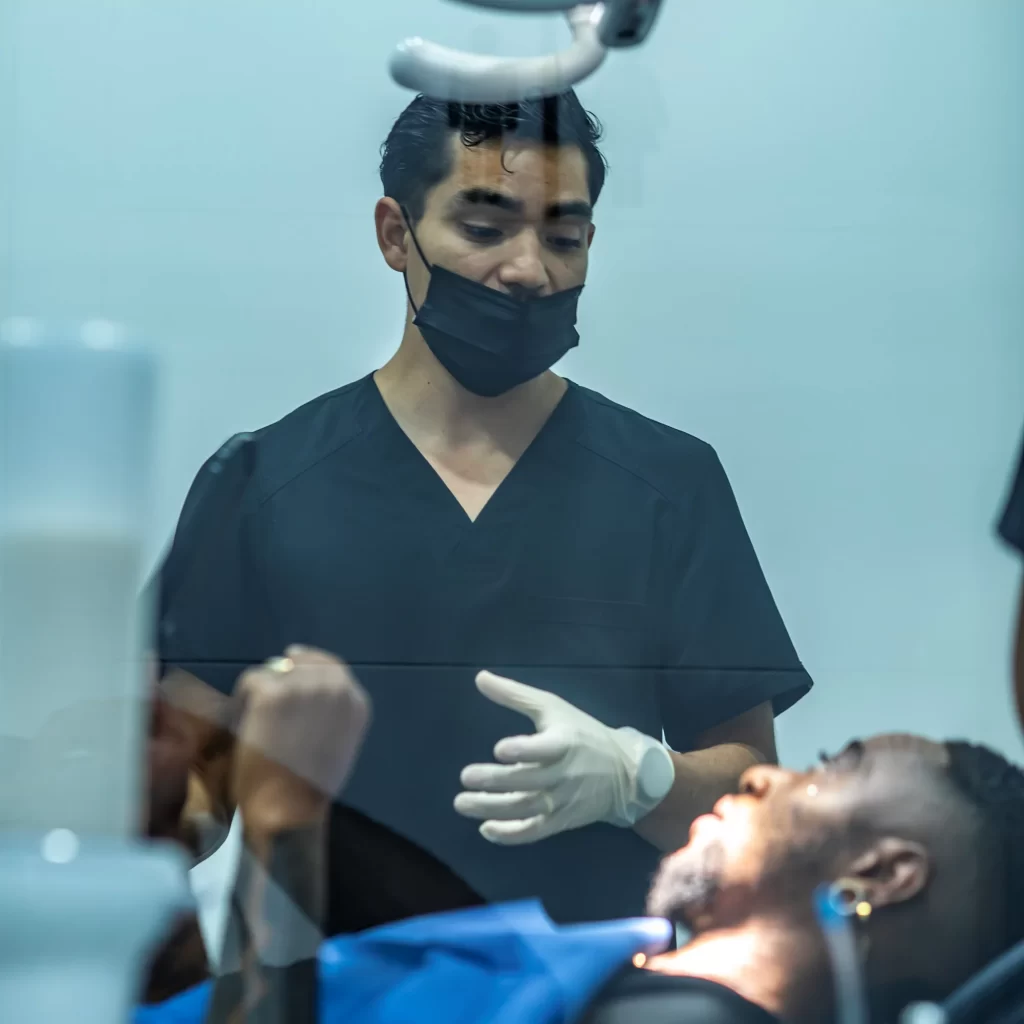
Pre-vetted Reputable Dental Clinics and Clear Information
One of the hardest parts of planning dental work abroad is knowing which clinic to trust. Online searches may show you dozens of options in a single city, all claiming to offer the best dental care at the lowest prices. Medify’s goal is to remove some guesswork by working only with dental clinics that pass a pre-vetting process focused on standards.
In practice, this means Medify looks at factors like years of experience with international patients, training of the dental team, implant systems and restorative materials, imaging and lab equipment, and how warranty policies are structured. Clinics are chosen not just for low prices but because they combine affordability with modern clinical tools.
Free Virtual Diagnostic and Bilingual Support
Another way Medify supports informed decisions is through a Free Virtual Diagnostic. This is a chance to share your dental history, concerns and any existing X-rays or scans with a partner clinic before you commit to a trip. In return, the clinic can outline likely options, talk about whether dental implants, All-on-4, crowns or other dental treatments make sense, and give you a preliminary sense of costs.
It is important to treat this virtual diagnostic as orientation, not a final diagnosis. Only an in-person exam, updated imaging and a complete workup can produce a definitive and detailed treatment plan. Still, many patients find it reassuring to understand possible scenarios and ask questions early, especially when deciding whether travel is worthwhile.
Help With Travel, Shuttles and Accommodation
Dental work abroad involves more than clinical care. It is also about how you move from home to the clinic and back, and how comfortable you feel in a new place. Medify and its partner accredited clinics understand this, especially in border hubs like Los Algodones and Tijuana, where the journey itself can feel unfamiliar, so logistics support is built into the experience.
Depending on the destination and clinic, this support can include guidance on which airport to fly into, how to cross the border, where to meet a shuttle and which hotels are conveniently located for appointments. Some clinics offer airport pick-up or arrange transportation between your lodging and the clinic so you are not figuring out routes immediately after a procedure.
How to Choose the Right Country for Your Dental Treatment
Match Your Treatment and Budget With the Destination
There is no country that is perfect for every dental case. The best destination depends on what treatment you need, how much time you have and where you are starting from. A person looking for a single implant or a few crowns may think differently than someone who needs a full mouth reconstruction with All-on-4.
If you live in the US or Canada and your priority is to make necessary treatment possible without turning your life upside down, Mexico is often the most logical starting point. Its combination of lower clinical fees, shorter travel and easier follow-up is hard to match, especially if you also prefer more familiar language and culture.
If you want a vacation-style experience and have more flexible time and budget, countries like Costa Rica or Colombia might enter the conversation. Many patients choose to combine dental treatment with travel or leisure activities, making the most of their trip abroad.
Questions to Ask Any Clinic Before You Book
Before you commit to treatment abroad, it helps to prepare a short list of questions for every clinic you seriously consider. You may want to ask about the dentist’s experience with cases like yours, how often they work with international patients and what typical outcomes they see. Be sure to inquire about the doctors’ qualifications and experience, including their academic degrees, professional credentials, and any international certifications.
You should also ask about warranties and follow-up dental care and aftercare: how long they stand behind their work, what happens if something needs adjustment after you return home and whether there are costs associated with revisions.
Clinics that work with Medify are accustomed to these questions and expect patients to ask them, which is itself a sign that they welcome informed, engaged patients.
When Staying Closer to Home Makes More Sense
Even though dental tourism can open doors for many people, it is not the right fit for everyone. If you have complex medical conditions, very limited ability to travel or significant anxiety about being treated far from home, it may be safer and more comfortable to stay local, even if that means adjusting your dental treatment plan or timing.
There can also be situations where the difference between local and international prices is smaller than expected, especially for smaller treatments. In those cases, the convenience of seeing a nearby dentist and simplifying follow-up may outweigh the benefits of traveling.
FAQ: Cheapest Countries for Dental Tourism
Which is the best country for dental work?
Several countries are consistently listed as among the cheapest for dental work, including Mexico, Turkey, Thailand, Hungary, Costa Rica, Colombia, India, Poland and Croatia. For example, dental implants in India can cost between $355 and $830 for single implants, while in Turkey, prices range from $400 to $1,000 per implant. For patients in the US and Canada, Mexico often provides the lowest overall cost once travel is included.
Is Mexico safe for dental work?
Many patients safely receive dental care in Mexico each year, especially in hubs like Los Algodones and Tijuana. The key is to choose clinics that use modern equipment, reputable materials and clear infection control protocols, and to work with providers who communicate openly about risks and benefits.
How much can I save by getting dental work in Mexico instead of the US or Canada?
Cost savings vary by case, but many patients see significantly lower costs for dental implants, All-on-4, crowns and other major treatments compared with quotes at home. In some situations, even after adding travel and lodging, the total bill in Mexico can still be much lower than in the US or Canada, especially when you need large-volume high-quality dental treatments. Some clinics also offer lower prices by involving dental students in dental care under supervision, which can further reduce costs.
Do I need to stay in Mexico for a long time for dental work?
The length of your stay depends on the treatment you need. Some procedures can be completed in a few days, while dental implants and full mouth reconstructions may require staged visits with healing periods in between. Shorter travel times to border hubs like Los Algodones and Tijuana make multiple shorter trips easier to manage.
Can Medify guarantee my final results?
No platform or clinic can guarantee a specific clinical outcome. What Medify can do is connect you with pre-vetted clinics in Mexico that meet defined standards for experience, materials, imaging and warranties, and help you understand your options through tools like the Free Virtual Diagnostic so you can decide with more confidence and context.
What payment methods are accepted for dental work abroad?
Many clinics accept a variety of payment methods, including credit cards, cash, and bank transfers, to make it easier for international patients to pay for their treatment.
Explore Pre-vetted Mexican Clinics With Medify

If you are comparing the cheapest countries for dental work and live in the United States or Canada, it is worth giving Mexico a serious, structured look. When you consider not just sticker prices but also travel time, follow-up visits, daily expenses and your own comfort, hubs like Los Algodones and Tijuana often offer some of the best overall value available.
Medify’s role is to help you explore that value without feeling lost in a sea of options. By focusing on pre-vetted clinics that use state-of-the-art equipment and materials, maintain clear imaging and lab standards and offer transparent warranty overviews, the platform narrows your search to providers already oriented toward international patients.
From there, you can use the Free Virtual Diagnostic, ask detailed questions and decide whether traveling to Mexico fits your needs. You are not committing to treatment by asking questions; you are gathering the information you need to make a calm, informed decision about your smile.
