
If you have ever stared at a big dental quote in the United States or Canada and thought, “There’s no way I can afford this,” you are not alone. That’s usually when people start looking at dental tourism in Mexico and asking whether their existing dental insurance can soften the bill. Dental care in Mexico is known for affordable prices, often up to 70% less than in the U.S., making affordable dental care accessible to many.
Medify exists right in that decision moment. The platform helps you compare pre-vetted clinics in Mexico in Mexican hubs such as Los Algodones and Tijuana, understand how their prices stack up against home, and see where your insurance might still help, especially for implants, All-on-4 and other major work.
Many dental clinics in Mexico accept American dental insurance, but the process usually involves paying upfront and seeking reimbursement.
Quick Answer: Can You Use Dental Insurance in Mexico?
Yes, in many cases you can use your Canadian or US insurance in Mexico, but usually as out-of-network care. You will need to pay upfront for your dental care at the clinic, then submit an itemized bill and claim to your insurance provider for reimbursement. Coverage depends on your specific plan, especially whether it’s a PPO that allows international out-of-network treatment.
Most US and Canadian insurers see Mexican dentists as out-of-network providers, even when they meet modern standards. That means you usually will not swipe your insurance card in a Mexican clinic. Instead, you pay upfront and then request reimbursement based on your plan after receiving treatment in Mexico. Most U.S. dental insurance companies offer reimbursement based on “usual, customary, and reasonable” (UCR) rates, which may be lower than what you paid, and reimbursement rates for out-of-network dental care typically range from 50% to 80% of the treatment cost.
This is where this is where clear information matters. Your plan type, your annual maximum, any waiting periods, and the exact treatment you need all play a role. Medify cannot change your policy, but it can help you pair realistic expectations with vetted clinics and transparent price ranges before you book a trip.
Keep in mind, the reimbursement process can take weeks or even months.
How Dental Insurance Works When You Travel for Dental Care
When you visit a dentist at home who is “in network,” the clinic and insurer already know each other’s systems. Claims flow automatically in the background. Once you cross the border, that network disappears, even if the dentist is highly qualified and the clinic looks like home.
From your insurer’s perspective, care in Mexico is out of network. You choose the dentist you want, pay them directly, and then ask your insurance provider to reimburse part of the cost. The gap between what they cover and what you pay is shaped by your plan’s rules and by how well documented your treatment is.
Out-of-Network and International Coverage Basics
Out-of-network coverage simply means your dental insurance will still help, but usually at a lower percentage and after a higher deductible. Some plans also include explicit wording about treatment outside the United States or Canada, while others are silent or restrictive about international care. To maximize your insurance coverage, contact your insurance provider beforehand to clarify your specific plan’s out-of-network rules, pre-authorization requirements, and required documentation for dental treatments in Mexico.
The key is that each policy is different. Two patients with the same insurer can have very different out-of-network benefits. Before you start comparing clinics, it helps to know whether your plan allows reimbursement for care in Mexico at all, and what percentage it pays for major services. Keep in mind, you may have to pay for your dental care in full at the time of treatment when using out-of-network providers.
Why Most Mexican Clinics Don’t Bill Canadian or US Dental Insurance Directly
It can be surprising to learn that clinics in Mexico rarely bill US or Canadian dental insurance companies for you. This is not a quality issue; it is an administrative one. Insurers use different electronic platforms, codes, and network contracts that most Mexican dental clinics are simply not plugged into.
Instead, clinics provide you with detailed paperwork so you can file your claim yourself. To keep things smooth, you should always ask for an itemized invoice, procedure descriptions, and proof of payment. These details are what your insurance provider will look at when deciding how much to reimburse.
How Medify’s Vetted Clinics Support the Process
Medify’s partner clinics are chosen with international patients in mind. They are used to seeing people from the US and Canada who will need to file claims later, and they know how important clear documentation is for that process.
Beyond paperwork, Medify looks at factors such as imaging technology, lab standards, materials used, and written warranty policies. Many clinics offer bilingual staff, so you can discuss treatment plans and invoices in English. With a Free Virtual Diagnostic, you can also get an early sense of what you might need before you even book flights.
PPO, HMO and Other Plans: Which Ones Can You Use in Mexico?
Not all dental insurance works the same way once you leave the country. The two main plan types you will hear about are PPO (Preferred Provider Organization) and HMO (Health Maintenance Organization), plus a third category of “discount” or savings plans that are not actually dental insurance.
Most dental insurance plans cover routine exams and cleanings, fillings, root canals, crowns, and dentures, but coverage for other procedures may vary.
Understanding which one you have is one of the most important steps in deciding how much your dental trip to Mexico might really cost you.
PPO Plans and Out-of-Network Reimbursement in Mexico
PPO plans are usually the most flexible for cross-border care. They typically allow you to see any licensed dentist, including those outside their network, and then reimburse a portion of the cost according to out-of-network rates.
Patients with PPO plans are the ones most often using dental insurance for treatment in destinations like Los Algodones and Tijuana. Common PPO insurers include companies such as Delta Dental, Cigna, Aetna, MetLife, Guardian or Sun Life. After paying your out-of-pocket expenses, you can file a reimbursement claim with your insurance company. Reimbursement timelines for dental insurance claims can vary from weeks to months, depending on the insurance provider. Exact rules still vary by policy, so it is essential to confirm your details directly with the insurance provider.
Why HMO Plans Almost Never Work Abroad
HMO plans are built around closed networks. You usually pick a primary dentist, stay within the network, and get referrals when needed. Because of that structure, treatment outside the network, and especially outside the country, is usually not covered at all.
If you have an HMO, it is still worth calling your insurance provider to ask specifically about care in Mexico. However, most people with HMO plans should plan for your dental trip to function as self-pay, using Mexico’s lower prices rather than insurance reimbursement to keep costs manageable.
Discount Plans, “Dental Savings” Programs and Memberships
Discount plans and dental savings memberships are sometimes mistaken for dental insurance, but they work differently. They generally give you access to lower, negotiated rates with specific dentists in your home area in exchange for a yearly fee.
Because they are not true dental insurance, they do not pay claims, and they almost never apply to clinics in Mexico. The good news is that you may not need them there anyway. Fees in hubs like Los Algodones and Tijuana are already significantly lower than typical US prices, especially for major work.
What Your Plan Might Cover (Improvements, Implants and All-on-4)
Even if your plan allows out-of-network care, not every procedure is covered equally. Most insurers divide treatment into three categories: preventive, basic and major, and assign different reimbursement percentages and waiting periods to each.
It’s important to note that some dental insurance plans may not cover cosmetic dentistry or other cosmetic procedures unless they are considered medically necessary.
When you are considering travel for big procedures like implants or All-on-4, it is important to understand which bucket your treatment falls into and how quickly you might hit your annual maximum.
Preventive vs Basic vs Major Dental Services
Preventive services usually include cleanings, routine exams and basic X-rays, and they are often covered at a high percentage, sometimes even 100% in-network. Basic services, such as fillings or simple extractions, may be partially covered, with you paying a share.
Major procedures, such as crowns, bridges, and root canal treatments (especially on molars), are often considered major procedures by dental insurance plans. These treatments tend to have lower coverage percentages and may require pre-authorization before you receive care, particularly if you are seeking treatment abroad. Complex extractions and sometimes veneers also fall into this category. Implants and full smile makeovers often sit in this “major” category or are excluded entirely.
Implants, All-on-4 and Annual Maximums
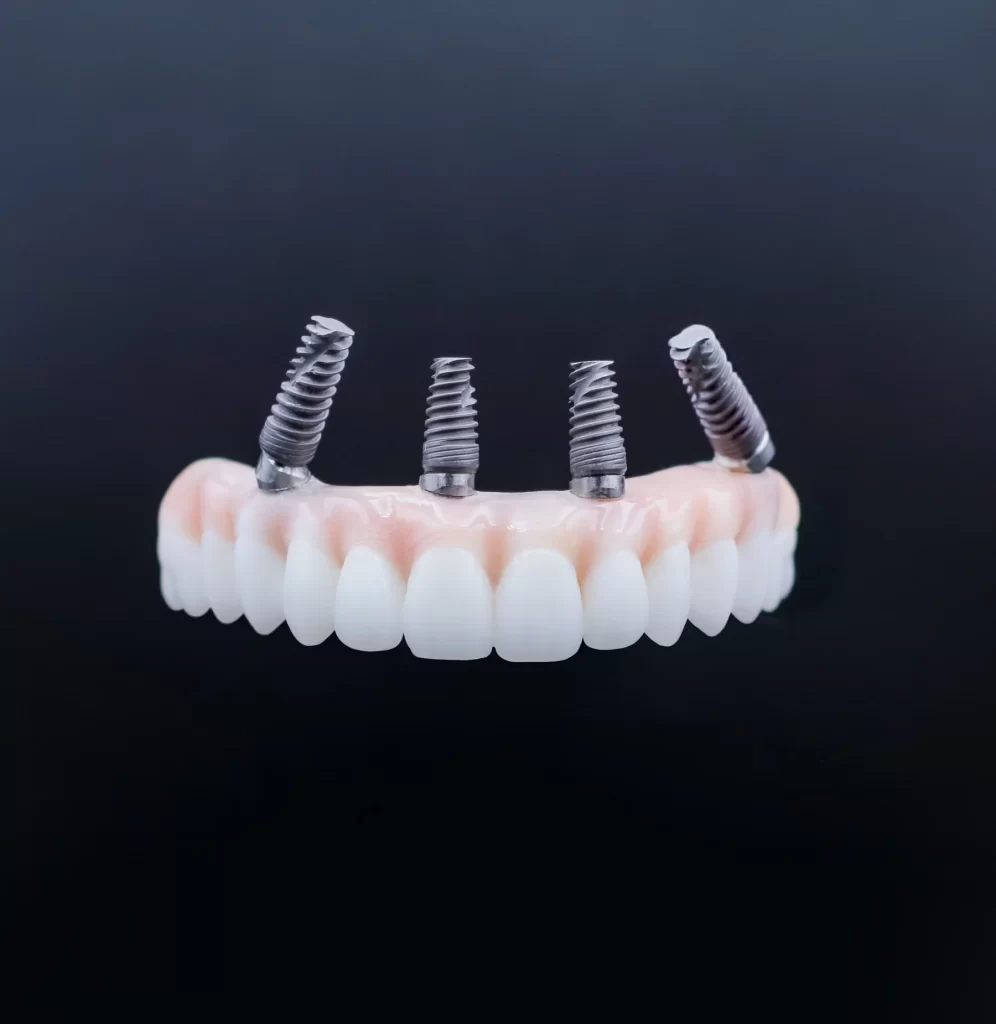
Dental implants and All-on-4 full arch solutions can cost many thousands of dollars in the United States or Canada. Because most dental plans have a yearly maximum that can be reached quickly, it is common for dental insurance to cover only a fraction of the total.
In Mexico, clinic fees are typically much lower for these same treatments. That means your annual maximum, if it applies, may stretch further. Even a partial reimbursement on top of already reduced prices can noticeably change your final out-of-pocket cost.
To maximize your dental insurance benefits, plan your dental treatments around your annual benefits or maximums, and consider spreading extensive dental work over multiple years to increase your total reimbursement.
Common Limitations, Waiting Periods and Exclusions
Most policies come with fine print. Waiting periods for major work, “missing tooth” clauses that limit coverage if a tooth was gone before you bought the plan, and exclusions for cosmetic procedures like veneers or whitening are all common examples.
This is why it is important to look at your written benefits summary and policy booklet, not just rely on a quick phone call. Knowing these limitations before you travel helps you plan your trip purely around Mexico’s prices or expect some medical insurance help as well.
How to Check If Your Dental Insurance Will Work for a Trip to Mexico

Before you start booking flights or choosing between Los Algodones and Tijuana, it pays to spend an hour understanding your benefits. A little homework now can prevent unpleasant surprises after your treatment.
Think of this as a short checklist: know your plan, know your likely treatment, and know what your insurer expects from you.
It’s essential to contact your insurance company before treatment to confirm coverage details and reimbursement rates, including any coverage limits, pre-authorization requirements, and necessary documentation for international dental care.
Gather Your Policy Details and a Rough Treatment Plan
Start with the basics: your policy number, insurer’s customer service phone, and any online benefits summary you can download. Pay special attention to your annual maximum, deductible, waiting periods and whether implants are listed as covered or excluded.
Before seeking treatment abroad, it’s crucial to review your insurance policy to understand exactly what dental treatments are covered and to gather all the necessary documentation required for submitting a claim.
At the same time, try to get a rough idea of the treatment you might need. Medify’s Free Virtual Diagnostic can help you understand whether you are looking at a few crowns, multiple implants or a full All-on-4 case before you speak to your insurer.
Call Your Insurer With Specific Questions
Once you have your documents and a rough treatment idea, call your insurer and ask targeted questions. For example: Does my plan reimburse out-of-network care in Mexico? What percentage do you pay for major services like crowns or implants? Are there any waiting periods or exclusions I should know about?
Be sure to ask about any pre-authorization requirements and clarify what detailed documentation—such as itemized invoices and procedural codes—will be needed for your claim.
If your insurer requires pre-authorization or specific documentation from the dentist, note those requirements carefully. When possible, ask them to send you a confirmation email so you have their answers in writing.
How Reimbursement Works After Your Visit to Mexico
Once your treatment in Mexico is done and you are back home, the financial chapter begins. If your plan allows out-of-network coverage, this is when you turn clinic paperwork into a formal claim so your insurer can review it and, if eligible, send reimbursement.
It’s important to gather all necessary paperwork, including detailed invoices with dental codes, as these are often required by insurance companies to process your claim smoothly. Dental clinics familiar with international patients can help ensure your documents include the correct codes and information needed for reimbursement.
In Medify’s partner clinics, you usually pay at the end of each visit or treatment phase by card, transfer or cash. Before you leave, ask for an itemized invoice, diagnosis and treatment description, dentist and clinic details and clear proof of payment. Specific procedure names, dates, tooth numbers and materials make it much easier for your insurer to see what was done.
Keep in mind that reimbursement rates for dental care from out-of-network providers can vary widely, typically ranging from 50% to 80% of the treatment cost.
Filing Your Claim Back Home
Back home, file your claim while details are fresh. To file a claim, you’ll need necessary documentation such as an itemized invoice, treatment codes, proof of payment, and claim forms signed by your dentist. Most insurers have an online portal where you upload invoices, receipts and any X-rays or reports they require. Read the claim form carefully, copy the clinic’s details exactly as written on the invoice and keep digital copies of everything so you can compare them with your Explanation of Benefits later and respond quickly if something is missing.
Having all required documents ready will help ensure a smooth process, but keep in mind that reimbursement can still take weeks or months, depending on your insurance company.
FAQs About Using Dental Insurance in Mexico
Can I use my American or Canadian dental insurance in Mexico?
Sometimes. Many PPO plans reimburse part of out-of-network treatment with a licensed dentist in Mexico, while HMO plans rarely cover care abroad, so you must check directly with your insurer.
Will my dental insurance cover dental implants or All-on-4 in Mexico?
Coverage for implants and All-on-4 varies widely. Some plans treat these as major services with strict limits or exclusions, and even when they are covered, your annual maximum and any lifetime caps still apply.
Do I need pre-authorization before traveling?
Some insurers require pre-authorization for major work such as implants or All-on-4. Ask whether they need a proposed treatment plan or X-rays in advance so you do not risk a denial on technical grounds.
When It Still Makes Sense to Go Without dental Insurance (and Next Steps)

Even if your dental insurance offers little or no help, a trip to Mexico can still reduce costs for major dental work. When you compare full treatment costs in Los Algodones or Tijuana against the same procedures at home, many patients find that savings alone justify the trip.
Affordable care in Mexico allows many patients to save money on dental treatments, even if they do not use insurance. This makes dental care more accessible and cost-effective for those seeking treatment abroad.
If you want to see what that could look like in your case, the next step is simple. Use Medify’s Free Virtual Diagnostic to share your situation, see indicative treatment options and compare pre-vetted clinics. From there, you can request a quote, see price ranges and decide whether to move forward with or without insurance support.
