
For all those folks in the States and Canada dealing with a whack of dental bills, tens of thousands of dollars for even the most basic treatments, it’s no wonder so many are looking south of the border to get their dental work done. Mexican dental tourism is a thing, and a lot of people are asking:
Is It Safe to Get Dental Implants in Mexico?
The truth is, yes, it is safe. Mexico can be an absolutely safe place to get dental work done, as long as you go to a reputable clinic with a top-notch dentist. What matters most is not so much the country itself as the standards of the clinic you choose.
Not all dentists or doctors are created equal, and not all clinics follow the same level of sterilization procedures. But, if you find a top-notch place in a place like Los Algodones or Cancun, you can get the same level of care with the same materials and equipment that you would in the U.S.
This guide breaks down what that means in practice and how a platform like Medify helps you lower the risks instead of ignoring them.
Dental Implants: The Permanent Solution for Missing Teeth
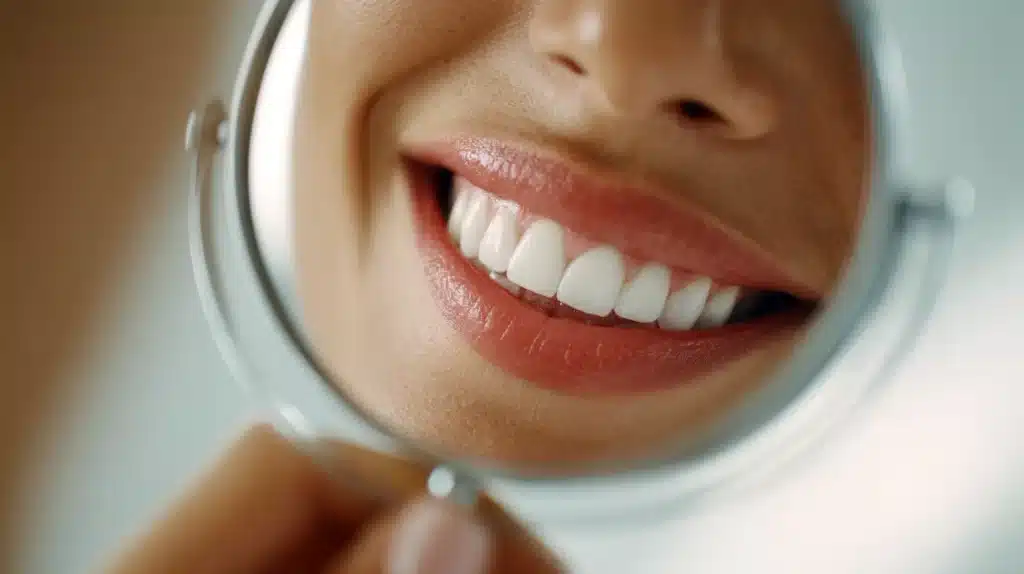
Dental implants are a super popular option in Mexican dental tourism, and they’re a permanent solution for folks dealing with missing teeth. They not only restore function, but look good too. Implant restoration requires some planning, an in-person check-up, and making sure you’ve got the right facial structure.
A lot of Mexican dentists in good clinics are using the same materials and latest equipment as U.S. practices. So, you’ll see dental x-rays, CBCT scans, and CAD CAM technology all being used to make sure the prostheses fit like a glove, whether it’s just one tooth or a whole mouth reconstruction.
The healing process for implants in Mexico is no different from what it would be anywhere else. It takes a few months to integrate, and you need to keep an eye on your oral health during that time. Patient care means making sure you’ve got all the right documentation, clear instructions on aftercare, and knowing when you need to go back to the clinic versus when you can get follow-up care from a local dentist.
That is where structured vetting and informed questions come in, and where a platform like Medify, which only works with pre-vetted clinics, tries to earn its place.
Dental Care and Patient Safety
It’s not just about the procedure; quality dental care is all about patient safety from the get-go, while you’re in the treatment chair, and long after it’s all over. Reputable Mexican clinics follow all the right sterilization procedures, often meeting OSHA or ISO standards, and they use autoclaves to make sure all the instruments are safe to use. In a good clinic, you’ll see the staff do things like open sealed packs right in front of you, use disposable stuff once and chuck it, and wear gloves and masks while they work.
A good dentist should be licensed by the Ministry of Public Education and registered in the National Registry of Professionals. Clinics that put patient care first will give you a written treatment plan and a detailed quote, and they might even offer a warranty on their services for up to four years.
Dental Tourism: Why People Travel for Dental Treatments?
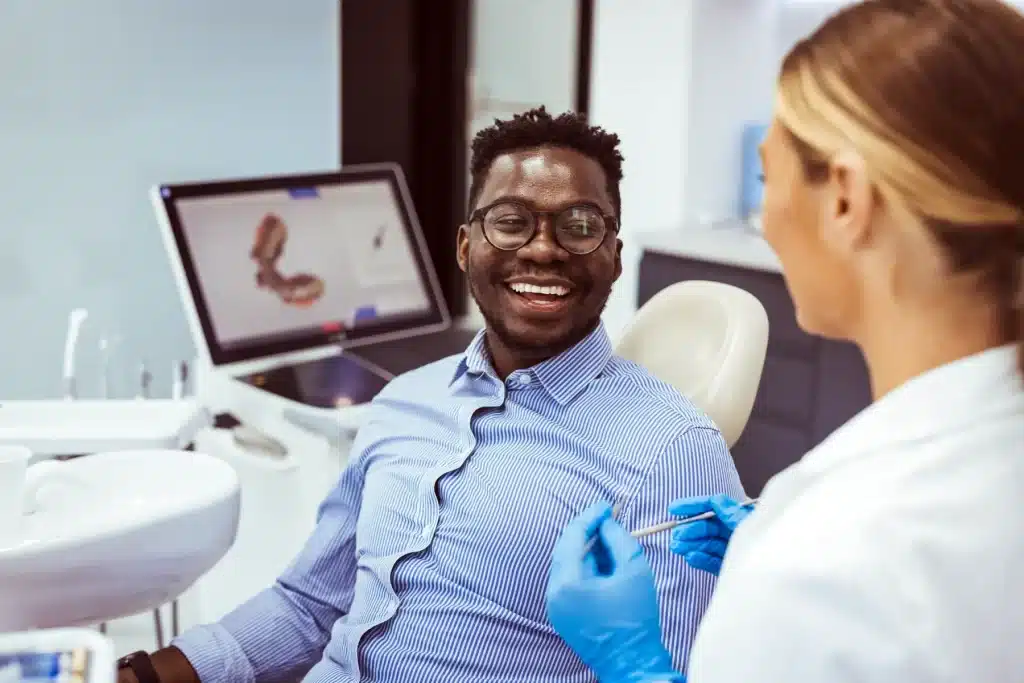
So why do people put up with the hassle of traveling to Mexico for dental work? Well, it’s the cost savings and the convenience, of course. The lower costs of dental implants in Mexico are attributed to lower operating costs and the cost of living compared to the U.S. Foreign patients can save 50-75% on their treatment costs by going to Mexico.
- A single tooth implant in Mexico will set you back $850-$1,500, which is a lot cheaper than the thousands of dollars you might pay in the States.
- A dental crown in Mexico will cost you $200-$600, whereas it’ll be $1,200-$2,000 in the States.
- Traditional dentures will run you $399 in Mexico, whereas in the States, you’re looking at $5,000 or more.
Lower costs, good exchange rates, and different fee structures all play a part in the price difference. Many patients just pay cash, which gets the whole process sorted out a lot faster, although some clinics will accept cards too.
But it’s not just about the money; dental tourism also makes things a lot easier for people on the whole. They often get their treatment done in a couple of visits, rather than a whole bunch of separate appointments over several months. And clinics in Mexico are used to dealing with international patients, so they’ll often have staff who speak your language and provide all the right documentation.
Travel and Accommodation, Sorting Out Your Trip
Going to Mexico for dental work can be a breeze if you do your research and plan. When you’re looking to do some dental tourism, it’s a good idea to choose clinics that cater to international patients; that way, they’ll understand your needs. A lot of good clinics will even offer package deals that include hotel stays and transportation, making it a lot easier to sort out your travel plans. Patients may need to return for multiple visits if extensive dental work is required, complicating follow-up care if a plan has not been set from the start.
To get the most out of your trip, research your accommodation options well in advance, especially if you’re travelling during peak season. Think about where your hotel is in relation to the clinic, and whether there are any decent transportation options available. Some clinics, especially the ones in places like Los Algodones, will even offer shuttle services between the airport, hotel, and clinic, so you don’t have to lift a finger.
Before you go, make sure you’ve got all the right paperwork, a valid passport is a must, and you might need a visa too. A lot of clinics are used to dealing with international patients and will have staff who speak English, so you shouldn’t have too much trouble communicating with them.
Dental Clinics, Choosing the Right One
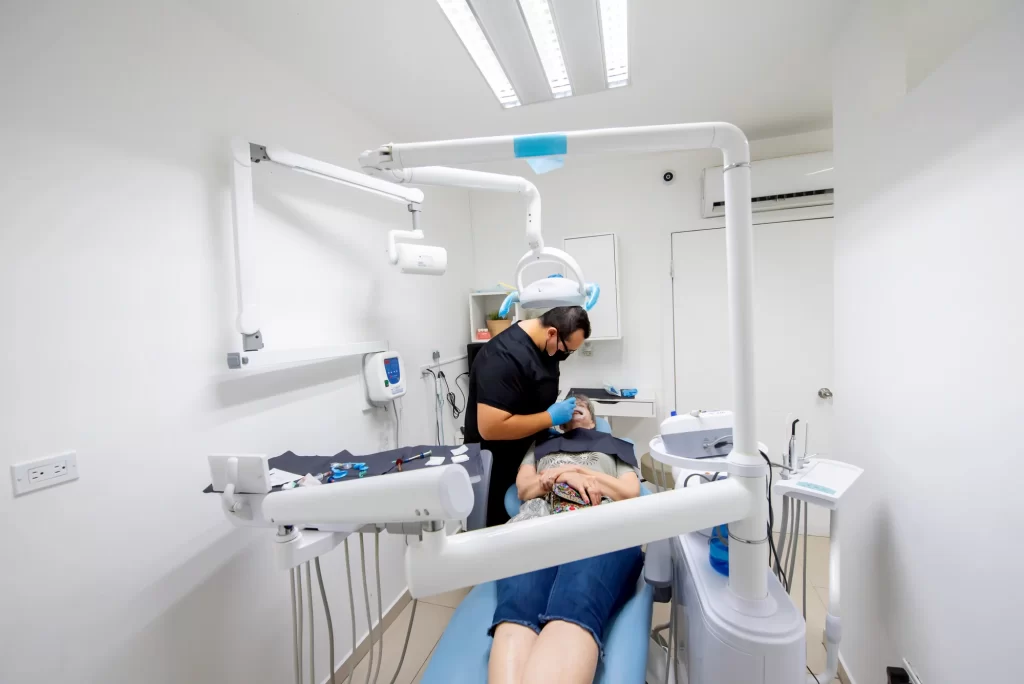
Not all dental clinics are cut from the same cloth. Some of the top clinics in Mexico invest serious cash in modern facilities, state-of-the-art equipment, and staff who speak English fluently, so foreign patients from the States can get the help they need. But unfortunately, some clinics cut corners, and that’s where the patient safety part comes in. You want to find one that meets international standards, pretty basic stuff.
Los Algodones is one of the places most US dental tourists flock to. They call it “Molar City” (you get the idea). It’s a tiny town in Mexico that’s only a 7-mile hop from Yuma, Arizona. Its streets are lined with dental clinics catering to foreign patients, and many of them just walk across the border. For land border crossings, a driver’s license will do the trick for re-entry, but a passport is usually required. One of the reasons Los Algodones is so popular is that the focus is purely on dentistry, not all the frills and extras that come with a resort destination like Cancun. As a result, costs are generally lower.
Cancun, on the other hand, does offer a bit more of a holiday vibe with its beach resorts and whatnot. But let’s be real, the added travel and leisure costs can quickly eat into any savings. Other popular hubs like Tijuana also have some great clinics, but Los Algodones is still the most convenient for American patients.
Medify currently focuses on clinics in Los Algodones and Tijuana, because these hubs combine strong savings with easy access and an established ecosystem for dental tourism. Cancun is still a useful comparison point, especially when you weigh cost and environment, but the same safety principles apply everywhere: clinic quality and planning decide most of your risk.
Dental Procedures and Cosmetic Dentistry
You’ll find all sorts of dental procedures in Mexico that go way beyond just implants. Cosmetic dentistry is a real draw, with things like porcelain crowns, veneers, and bridges available at a fraction of the price back home. Patients can often receive dental treatment in Mexico faster than in the U.S., with some clinics completing the entire implant process in just a few days. One of the reasons crown placements are so quick is that many clinics have their own in-house labs that knock up perfect prosthetics in no time.
General dentist services like root canal therapy, dental x-rays, and routine care are also available. Many patients actually combine some major dental work with some cosmetic dentistry, so they get the best of both worlds: function and aesthetics.
Dental Implants in Mexico: What to Expect
So if you’re thinking of getting dental implants done in Mexico, here’s what you can expect:
- A proper in-person examination to check out your facial structure
- Latest and greatest diagnostic equipment, including dental x-rays and 3D imaging
- Clear explanations of what the implant procedure involves, the healing process, and any aftercare you’ll need
- A written warranty that covers the services rendered and the new crown, just in case
- Bilingual communication to ensure your safety and understanding
And here’s the thing: Mexico has some top-notch clinics that rely on proven systems, CAD-CAM labs, and high-quality dental materials to deliver top-notch work that meets the same standards as back home.
Dental Services and Insurance Considerations
Now, one of the downsides of dental tourism in Mexico is that dental insurance doesn’t usually cover procedures done abroad. But many patients still find it’s worth it because the cost difference makes a big dent (no pun intended). Just be sure to clarify with your insurance provider before you travel; they may reimburse some of the costs if you’ve got the right documentation.
Another thing to keep an eye on is malpractice insurance. Not all Mexican doctors carry it, so it’s worth checking. Any reputable clinic should be happy to discuss its coverage and warranties with you.
A lot of patients also use a Mexican pharmacy to fill prescriptions, especially pain meds, after their dental work. While it can be super convenient and cost-effective, just make sure your dentist is prescribing responsibly and explaining the dosage clearly.
Dental Crowns: A Common Choice
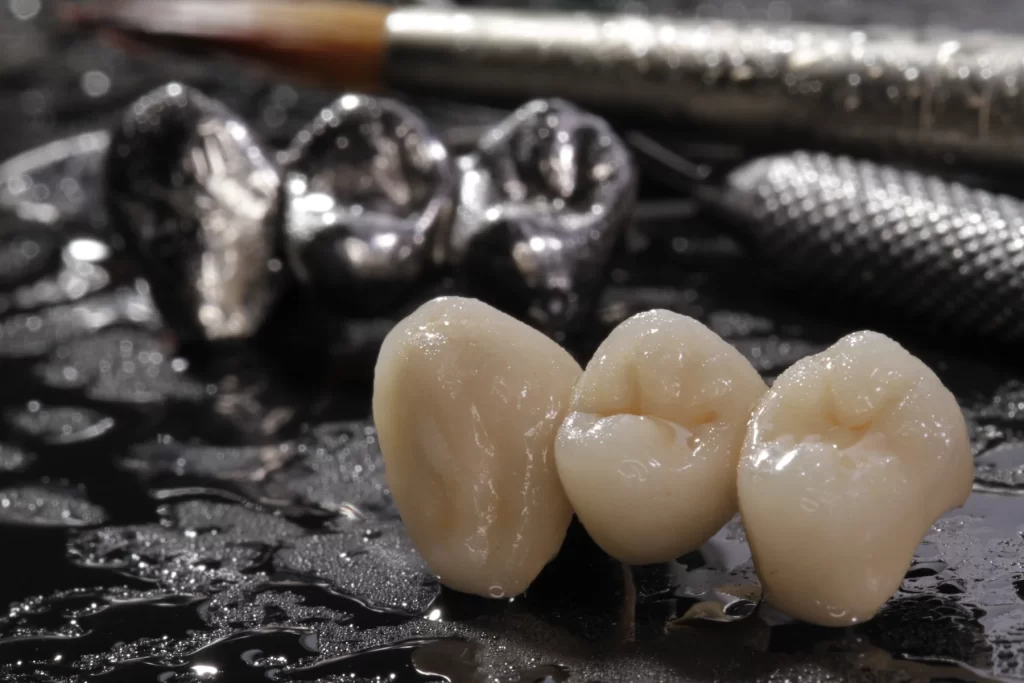
Dental crowns are one of the most popular procedures for international patients. You’ll find the same quality work in Mexico that you would back home, but at a fraction of the price. And because many clinics have their own in-house labs, crown placements can be done in no time, often with a warranty that covers adjustments for up to four years.
Now, crowns aren’t just for looks; they’re also essential for oral health, protecting damaged teeth and supporting implants. Many patients combine crowns with other dental work, like root canal therapy or implant restoration, to get comprehensive results.
Cosmetic Dentistry and Oral Health Needs
Cosmetic dentistry in Mexico isn’t just about making you look good; it’s also about addressing oral health issues. Missing teeth, damaged crowns, or worn-out dentures can affect both function and confidence. Clinics offer all sorts of permanent solutions to get your oral health back on track.
High-quality dental care is all about attention to detail, from hygiene standards to patient communication. Any reputable clinic will explain the healing process, provide proper documentation, and ensure that its work meets international standards.
Dental Insurance and Cost Savings
The price difference between Mexico and the US is a major draw. Many patients who might otherwise delay treatment can now get the help they need because costs are lower. Just be aware that dental insurance may not cover procedures done abroad, but hey, the price difference is usually worth it.
Patients should plan to pay cash or be upfront about any card fees before they start treatment. Daylight hours are always safest for travel, and it’s a good idea to keep your proper documentation, like a valid driver’s license and passport, just in case.
Follow-Up Care and Support After Your Procedure
Quality dental care doesn’t stop once your procedure is finished. Proper follow-up and ongoing support are essential for protecting your oral health, especially after dental implants. Patients often experience mild discomfort after dental implant procedures, similar to other surgical procedures, so your dentist should provide clear instructions on hygiene, diet, and any medications to help ensure smooth healing and reduce complications. Many reputable dental clinics offer follow-up options such as scheduled check-ins, remote communication, emergency support, and sometimes warranties on their dental work.
However, it’s important to think long-term. Follow-up care becomes nearly impossible when your dentist is thousands of miles away, and dental implants may entail managing complications or adjustments, which can be challenging once patients are back home. That’s why continuing visits with a trusted local dentist at home is critical. They can monitor healing, perform routine exams, and address any concerns early. Combining affordable treatment with consistent local care gives you the best chance at lasting results and strong oral health.
Dental Tourism in Los Algodones
Los Algodones is pretty much still the go-to destination for people coming to Mexico for dental tourism. It’s got a compact layout, plenty of competition between dental clinics, and it’s right on the border with the US, making it a really convenient option for American patients. Most tourist spots just can’t compete with being able to walk across the border, get some good work done on your teeth, and then head back home that same day.
Despite some people saying some not-nice things about Los Algodones, the town has actually built up a reputation for having really good dental clinics. Lots of patients, especially older Americans, head there for things like dentures, implants & crowns. The fact that the town is so focused on dentistry means that patient safety is treated as a top priority.
Conclusion: Making The Right Choice
So, is it safe to get dental implants in Mexico? Well, it’s all about finding the right clinic. Mexican dental tourism does offer lower prices, high-quality dental care, and really efficient schedules, but not everyone is equal.
Every dentist in Mexico must have a license issued by the Ministry of Public Education and can be verified through the National Registry of Professionals, so by making sure your dentist is qualified, checking out their sterilisation techniques, asking about the type of materials they use, and getting some info on what kind of warranty you’re getting, you can look after yourself & still get the benefits of good quality dental work abroad.
Getting dental implants in Mexico can be safe & cost effective if you just choose a good clinic with an experienced dentist who is properly trained. The average cost for a crown in the U.S. is $1,200 to $2,000, while in Mexico, it ranges from $400 to $600, a lot of people report being really happy with the dental treatment they’ve received in Mexico, saying their work was good or even excellent.
Dental implants in Mexico aren’t riskier than in the States; in fact, most of the time, they’re no different. With a bit of planning & aftercare, they can really be a permanent solution that sorts out both how your teeth feel and how you feel about your smile.
How Medify Reduces Risks of Dental Work in Mexico
Medify’s role is to put structure between you and the random clinic search. The platform only works with a smaller group of partner clinics in Los Algodones and Tijuana that meet standards for experience with international patients, modern equipment and imaging, reliable labs, and clear written warranties. That curation does not remove all risk, but it filters out clinics that do not meet those safety levers.
On top of that, Medify offers a Free Virtual Diagnostic so you can share X-rays, photos, and goals before you travel. Bilingual coordinators help you understand proposed treatments, timelines, and costs, and can guide you on shuttles, border crossings, and hotel areas. When clinical vetting, clear communication, and logistics support are in place
