
You’ve probably caught the ads by now: clear trays, a straighter smile, and no pesky traditional metal braces. But what’s really happening in your mouth when you wear Invisalign?
To get to the bottom of this, you need to look at the science behind Invisalign, which brings together biology, technology, and orthodontic principles to get the job done.
Invisalign can deliver results, but it’s not just some sort of “magic plastic”. It’s a carefully planned sequence of tooth movements that depends on biology, timing, and actually sticking to the plan.
What are and aren’t Invisalign aligners
Invisalign is a brand of clear aligners: thin, custom trays you pop out for a bite to eat or to brush your teeth. They straighten teeth in tiny, planned steps by switching up the trays over time. What you need to know is that Invisalign aligners use plastic, but specifically clear plastic, so they’re virtually invisible when you’re wearing them. And sadly, it’s not a shortcut or a one-size-fits-all solution; results depend on getting a good fit and being consistent, and some cases are better suited to traditional braces or a hybrid approach. Taking a few minutes to get to know some basic terminology will also help you compare your options and make sense of quotes.
- Invisalign: that’s just the brand name for a clear aligner system.
- Clear plastic aligners: that’s the broader category, which includes other brands. These plastic trays are a modern alternative to traditional metal braces.
Traditional braces use metal brackets and wires, which are way more visible and can be pretty uncomfortable. By comparison, Invisalign aligners are designed to be super discreet and pretty comfy.
Invisalign is a popular option for people who are looking for a more discreet and comfortable alternative to traditional braces and other orthodontic treatments.
How do Custom Aligners Move Teeth

Teeth aren’t stuck in place; they’re actually nestled in a supportive system of bone and ligament, the periodontal ligament, which acts as a shock-absorbing tissue that lets teeth move. When an aligner applies steady, gentle pressure, your body responds by reworking the bone so a tooth can shift to a new position over time. That’s why Invisalign can sometimes feel a bit tight when you start a new tray. The snug fit is basically the force doing its job, applying gentle pressure to your teeth in a way that’s carefully controlled to promote gradual movement.
Custom Aligners make tiny adjustments. If you skip out on the wear time, the step doesn’t get completed, and the next tray might not fit right, which can lead to avoidable delays.
Why a Customized Treatment Plan and Tracking are Important
Invisalign works from a digital plan where each tray makes tiny, sequenced movements during the entire process, so your teeth need to track predictably for the results to be on point. Advanced technology and treatment planning software are used to create these precise sequenced movements for each aligner, allowing for effective and personalized orthodontic treatment. A qualified dentist is guiding the process, making sure the treatment stays on track and adjusting as needed. When things go off track, it’s usually because of consistent factors, like not wearing the trays enough, poor fitting, lost attachments, or movements that need a slower pace. The key is catching it early, with regular check-ins allowing for quick adjustments like refinements or staging changes, rather than falling weeks in.
Invisalign Process Step by Step: From Scan to Retainers
Records and Digital Scan
The Invisalign treatment process kicks off with a thorough examination by a qualified dentist, who takes a close look at your specific dental needs, bite, and overall oral health. During this detailed consultation, digital scans or impressions of your teeth are taken to create a precise 3D model for treatment planning. Advanced 3D imaging tech is then used to develop a personalized treatment plan that maps out the exact movements needed to align your teeth.
If you’re working with Medify, this stage often includes initial coordination, sometimes a virtual diagnostic, and bilingual support to help plan cross-border care. It’s the right moment to ask clear, focused questions about what’s being corrected, what tools may be used (like attachments, elastics, or IPR), and how progress will be monitored so your timeline is realistic. Attachments are small, tooth-colored bumps bonded to certain teeth that help aligners grip and perform precise movements like rotations. Once your plan is finalized, a series of custom aligners is created, each designed to move your teeth in small steps. Some cases also use elastics attached to the trays to correct bite issues, which can affect comfort, routine, and visibility, so it’s best to know upfront if they’re part of your plan.
It’s completely normal for attachments to feel a bit rough at first, and you might notice them when taking out the trays, but any ongoing problems like breakage, sharp edges, or the trays not sitting right could be a sign that the fit needs tweaking, and you should check that out.
Tray Changes and Check-ins
Most Invisalign plans require wearing aligners nearly full-time, removing them only for meals and brushing. You’ll switch to a new set on the schedule your qualified dental professional, usually every one to two weeks, based on your biology and how your case is progressing. Check-ups typically happen every 6–10 weeks to monitor fit and tracking. While Invisalign reduces the need for frequent office visits compared to traditional braces, these periodic check-ins are essential for catching small issues early and keeping treatment on schedule.
Refinements and Retention
Refinements are just extra trays you get towards the end to fine-tune the result. This doesn’t mean the treatment didn’t work; it’s just because your teeth ended up moving in a slightly different way than what was originally planned.
Then there’s retainers. Your teeth will tend to shift back a bit over time, so retention is all about protecting that new smile you got from Invisalign. You should ask about what’s included in the cost, what might cost extra, and how you’ll get new ones when they wear out.
Getting straight teeth all lined up and making them look neat is only half the battle; you then have to keep them looking like that, which is where retention comes in. Vivera retainers are an option that you can wear after the treatment to help keep the results looking good. You’ll also get regular follow-up visits to make sure your smile is staying stable. Wearing retainers is a must in order to keep your teeth in their new positions.
What Makes Invisalign Treatment Work in Real Life

Wear Time and Consistency
Invisalign works best when you wear the trays all day, most of the time. A lot of plans aim for 20 to 22 hours a day, which is just about the only time you can go without them. So mealtimes and brushing are your main chance to take the trays out for a bit.
If you do end up without the trays for hours on end, that can mess up the whole pressure system. Take a couple of hours off here and there, and it might not make a huge difference, but do it too often, and the next tray might not fit properly, and you could end up with more work to do to sort it out, nasty refinements that you could have avoided.
Tracking Issues, Broken Attachments, and Refinements
When your teeth keep up with where the tray is, that’s called tracking. If you notice a small gap between the tray and a tooth edge, or the tray just feels a bit loose, that can be an early warning sign that something’s gone awry.
Some common causes include a lost attachment, the tray not fitting properly, or switching the trays too early. Don’t force the next tray on and get in touch with the clinic so they can advise on how to move forward on your specific case.
What Invisalign Can Fix and When Braces May Be Better
Invisalign is a treatment that can tackle a wide range of dental issues, including mild to moderate crowding, spacing, bite problems, and more. While it’s great for a lot of orthodontic issues, traditional braces might be a better choice if your case is really complicated and needs a lot of extra control or heavy mechanics. You can still do Invisalign for more complex cases, but you might need to use extra tools like attachments and elastics.
If you’re not bothered about wearing the trays all day and your bite needs to be sorted out with a lot of heavy machinery, conventional braces might be the way to go. The best choice for you will usually be the system that you can stick to and maintain to the end.
How Long Does Invisalign Take?
How long Invisalign treatment lasts varies, but it’s pretty predictable. It’s more about how complex your case is, how many trays you’ll need, how well you follow the schedule, and if you need any refinements, which will determine how long it takes.
Ask your provider for two specific things: the planned number of trays and how often you’ll need to pop in for check-ups. Those will give you a much better idea of when you can expect to be finished.
- The planned number of trays is your baseline estimate of how long treatment will take.
- Check-in frequency will tell you how often adjustments get caught early on.
Day-to-Day With Aligners: Eating, Cleaning, and Travel
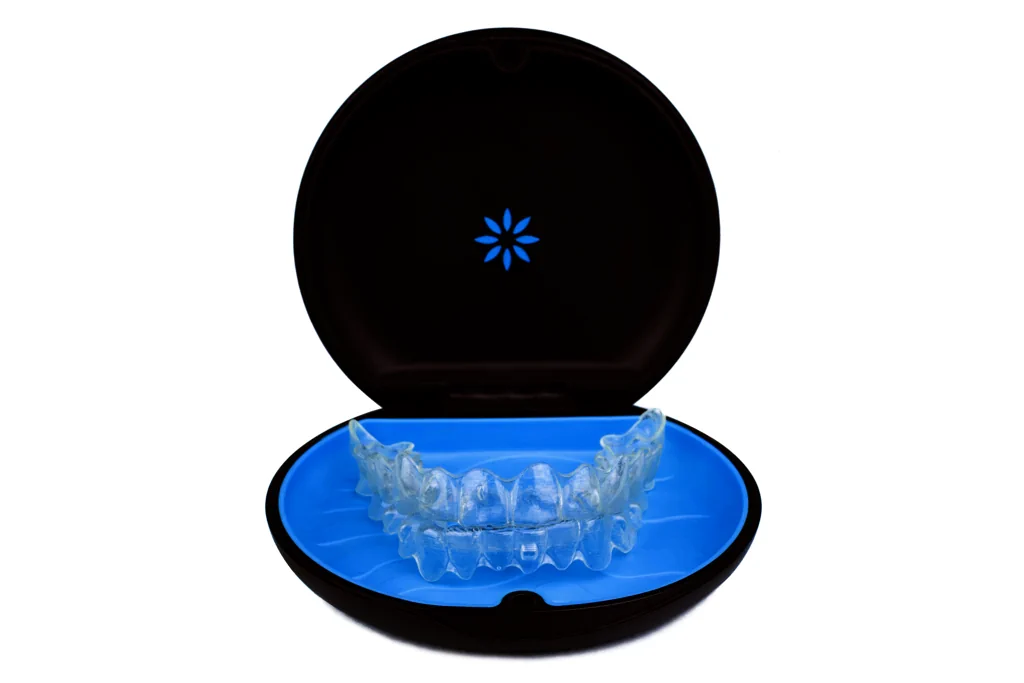
Eating and Drinking Rules and Stain Control. You ditch the trays to eat, so it’s not the food that’s the problem; it’s the timing. Fewer, more thoughtful tray-free windows generally work better than grazing all day because it helps your teeth stand up to daily wear and tear.
Drinking water is best with trays in, but coffee, tea, wine, and sugary drinks can stain trays and increase the risk of cavities, so if you’re going to drink something else, take out the trays when you can and brush before putting them back in for a cleaner, safer fit.
Cleaning Aligners, The Right Way to Do It
It’s a pretty simple routine, as simple as your basic oral hygiene basics, but enough’s enough. Your goal is to clean your trays so they still fit like a glove and don’t build up any nasty plaque or odour. So keep it consistent with a low-maintenance daily habit.
- Rince them with cool water: do it every time you take them out and put them back in to help keep them squeaky clean.
- Brush them gently: a soft toothbrush and gentle pressure to stop them getting scratched.
- Avoid hot water: heating it can warp the plastic and ruin the fit.
Lose a Tray? What to do Next
Get in touch with your provider asap because timing is everything. You may be told to go back to a previous tray, move forward, or wear the current one for a bit longer, depending on how far along you are in the treatment plan.
In the meantime, wear whatever tray fits best and stash one in your bag. Leaving them out for too long can cause the next one to be harder to get in, which can lead to unpleasant setbacks.
Invisalign Cost Basics: What You’re Really Paying For
Invisalign costs aren’t just for the trays themselves; you’re also paying for planning, monitoring, and finishing up, so quotes that look similar can still vary depending on what’s included for long-term support.
Our standard Invisalign treatment price is $6,450. If you have dental insurance that covers Invisalign treatment, it can help bring the cost down and reduce your out-of-pocket expenses. There are also loads of financing options available to make the treatment more manageable.
Costs can vary depending on the complexity of the case, the number of trays you need, and your retention policy. When you compare quotes, ask what’s included, what’s not, and what happens if you need any refinements for a proper comparison.
Considering Treatment in Mexico: What to Know About Medify
Medify helps US and Canadian patients find clinics in Mexico that offer Invisalign treatment, often with the bonus of bilingual support and clearer instructions, but you still need to check who’s managing your case and how follow-ups work. A good Invisalign result is all about getting a high-quality diagnosis and imaging, so ask what scans are included, who approves your treatment plan, and how progress is monitored.
Medify often features Los Algodones (great for appointments) and Tijuana (handy if you’re in Southern California). The best choice for you will depend on your travel situation. Treat it like informed consent: get all policies in writing, especially about follow-ups, lost trays and attachments, refinement limits, and retainer details.
Next Steps
If you’re curious about whether clear aligners are right for you, book a clinical consult or a pre-travel screening if you’re looking for treatment abroad. If Medify is part of your plan, you can start with their diagnostic and then request a quote from partner clinics, going for clarity and follow-up from the get-go.
Ask for a quote, take a look at pricing ranges, and ask about travel logistics or shuttle options for a much smoother experience.
In the end, Invisalign offers a pretty effective, discreet, and convenient teeth straightening option with proven results. Take the next step today and enjoy the benefits of a confident smile.
