
Signs you need a tooth extraction
If you’re searching for signs you need a tooth extraction, you’re really just asking yourself: Is this tooth beyond saving, or can it be saved with some TLC?
A tooth is beyond repair due to damage, trauma, or decay, and extraction is your best bet in some cases. When pain keeps coming back, that question can become blindingly obvious.
Extraction isn’t always the default option, but when keeping the tooth means dealing with repeat infections, constant repairs, or a higher risk of complications, it can be the safest choice.
Quick check: Are you due for a dental extraction
Think of this as a quick triage, not a definitive answer.
What really matters is how fast symptoms are changing and whether you’re showing signs of infection.
- Act now if you’ve got swelling that’s growing fast, a fever, or trouble breathing or swallowing.
- Book a dental visit if you’re stuck with persistent pain, chewing pain, or a draining gum bump.
- Ask about extraction if your adult tooth is loose, or if you’ve got a crack below the gumline.
- Get an exam and X-ray to confirm the plan before you decide
This isn’t a self-diagnosis checklist; it’s a heads up to let you know when to stop waiting and get a real exam.
Signs your tooth may be beyond saving
“Beyond saving” usually means there’s just not enough healthy tooth structure left for a reliable repair.
This can happen with severe decay, infection, gum disease, or trauma. In these cases, tooth extraction may be the only way to stop the cycle of infection and repeat treatment.
Pain that lingers or keeps coming back
Severe tooth pain is often a key indicator that you need a tooth extraction.
A painful tooth can be a sign of underlying issues such as cavities, impacted wisdom teeth, or infections that need prompt dental care.
Significantly painful teeth can result from advanced tooth decay that reaches the pulp, causing severe pain and infection.
If a toothache is persistent, especially with chewing pressure, it can signal deep decay, a crack, or infection around the root.
When Damaged Teeth cause Swelling, drainage, a bad taste, or a fever
Bad taste, drainage, or a small bump on the gum can signal an abscess, a pocket of infection.
This usually develops when deep decay reaches the tooth’s pulp, allowing bacteria to spread and cause pain or swelling. If left untreated, an abscess can extend to surrounding tissues and lead to more serious complications.
Fever, spreading swelling, or feeling generally unwell increase the urgency, and these signs suggest the infection may no longer be localized and should be evaluated quickly.
Tooth cracked beyond repair or broken below the gum line
Cracked or broken teeth below the gumline can be tricky to seal.
If a tooth is beyond repair due to being severely broken or cracked, extraction may be necessary. This helps prevent infection and reduces the risk of reinfection and future breakage, so extraction is often recommended to avoid a pattern of constant frustration.
A loose tooth from advanced gum disease or bone loss
A loose adult tooth often reflects loss of supporting bone from advanced gum disease.
Gum infection can cause bone loss and tooth mobility, increasing the risk of tooth loss.
If the tooth has poor support, it may not be stable enough for long-term function, and extraction may be the most realistic option for protecting your overall health and the stability of your surrounding teeth.
Swelling in the gums, face, or jaw can also indicate a severe infection or abscess that may require extraction to prevent further complications.
Impacted Wisdom teeth: special signs and situations
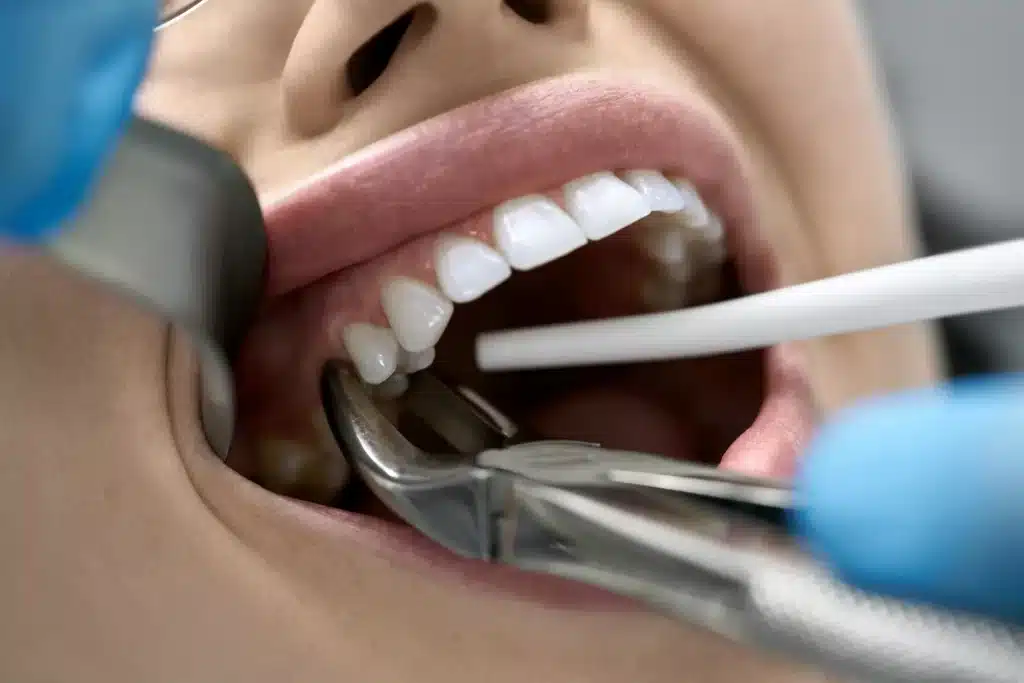
Wisdom teeth (third molars) often create challenges because they’re the last to erupt and may not have enough space, leading to impaction.
This can cause pain, swelling, infection, and pressure on nearby teeth that affects overall oral health.
Left untreated, impacted wisdom teeth can lead to more serious complications such as cysts, abscesses, or even jaw tumors.
Warning signs include persistent pain, swelling, bleeding around the gums, or difficulty opening your mouth, though some issues develop without obvious symptoms, which is why routine exams and X-rays are so important.
When extraction is recommended, it’s usually to prevent these complications and protect surrounding teeth and gum health.
Cosmetic Dentistry considerations: when appearance matters
While the primary goal of a tooth extraction is to protect your oral health, appearance can also play a big part in the decision, especially if a damaged or decayed tooth is visible when you smile.
Removing the tooth can give you a more predictable, cosmetically pleasing outcome with options like a dental implant, bridge, or other restorative treatment in some cases.
Extractions can also play a role in orthodontics by giving your orthodontist the space to actually correct crowding or alignment issues.
Taking a well-planned approach is what balances out function and aesthetics, helping you get a healthy bite and confident smile.
Gum line health and its role in tooth extractions
Gum health plays a major role in both the need for and the success of a tooth extraction.
Conditions like periodontitis can cause gum recession, expose roots, and lead to bone loss, making teeth more vulnerable to decay, infection, and looseness that may require removal.
Before proceeding, a dentist will assess your gums and surrounding tissue to ensure the extraction can be done safely and heal properly.
Maintaining good oral hygiene and regular dental visits helps protect your gum line and reduce the likelihood of needing extractions in the future.
How do dentists decide if the extraction process is required
A tooth extraction decision is based on whether the tooth can actually be restored, whether the infection can be controlled, and the overall risk.
Saving a natural tooth is always preferred.
This evaluation includes an exam, plus some imaging like standard X-rays or, in complex cases, 3D scans (CBCT).
Some planning can actually be done in advance through virtual reviews if you are traveling for care.
What happens at an extraction consultation
A good consultation is where the cause of the problem and whether the tooth can be saved is confirmed.
This includes a symptom review, exam, and imaging.
If restoration is possible, then options like fillings, crowns, or root canals should be discussed.
The goal is to get the safest, most predictable outcome.
Simple vs surgical extraction
Tooth extractions come in two main types: simple and surgical.
Simple extractions involve fully erupted teeth that can be loosened and removed with minimal effort, while surgical extractions are used for broken, deeply rooted, or impacted teeth (like some wisdom teeth) and may require small gum cuts or additional tools.
This distinction matters a lot because it affects what your recovery expectations are going to be.
Most procedures use local anaesthetic, with some clinics offering oral or IV sedation depending on the case, so if you are anxious, just bring it up early.
During the procedure, the dentist removes the tooth, cleans the site, and places gauze to support clot formation.
Surgical cases may include stitches and a more detailed aftercare plan to protect healing.
Recovery and aftercare (normal vs not normal)
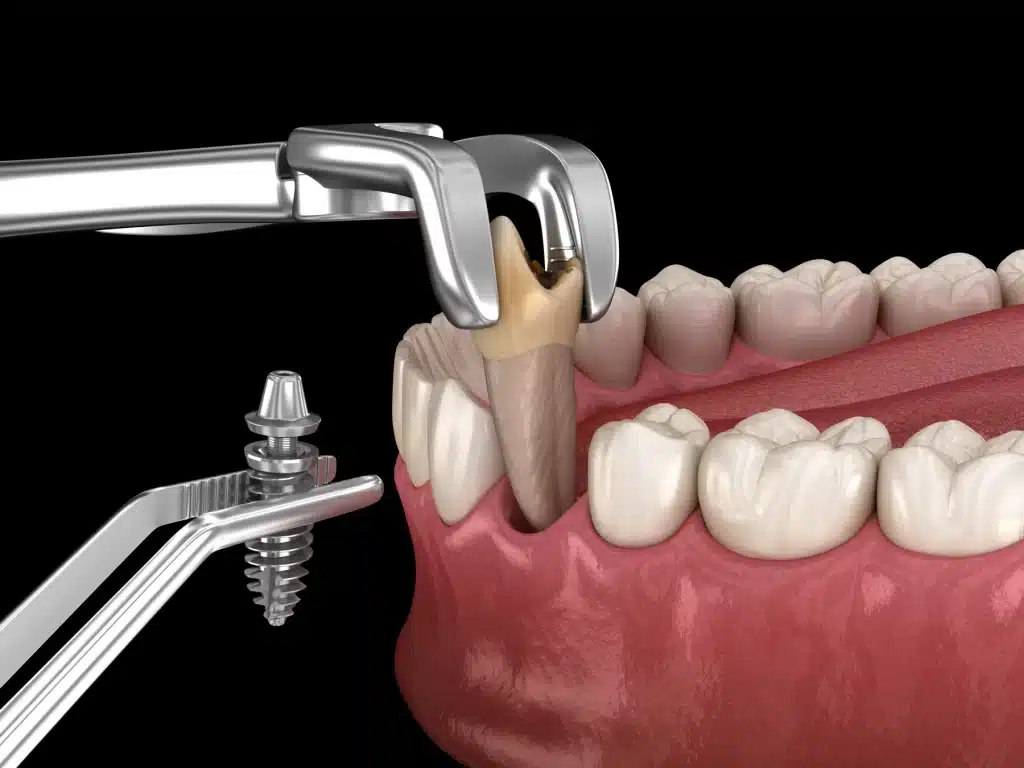
Post-extraction care is super important after a tooth extraction to make sure your mouth heals properly and prevent complications like infection or dry socket.
After an extraction, it’s normal to feel sore for a couple of days, with some mild swelling and a temporary soft food phase.
Patients will receive post-extraction instructions to help control bleeding and promote clot formation.
The priority is protecting that blood clot so the area heals properly.
Keeping your mouth clean and attending follow-up visits are crucial to ensure your mouth heals properly after a tooth extraction.
Swelling and discomfort are normal, and you may be advised to use ice packs to reduce swelling.
Pain management is an important part of post-extraction care, and you may be prescribed pain relief or advised to use over-the-counter meds.
Simple steps like taking your meds as prescribed, avoiding smoking or straws, rinsing gently, and keeping low key for the first 48 72 hours can make a big difference.
If pain gets worse instead of better, swelling spreads, or you develop a fever, then you should get in touch with your clinic.
Trouble breathing or swallowing is not routine and should be treated as urgent medical care.
Dental care and prevention: Keeping your smile healthy
The best way to avoid needing a tooth extraction in the first place is to focus on prevention and daily dental care.
Brushing and flossing regularly, along with routine dental cleanings, will help remove plaque and bacteria that can cause tooth decay and gum disease.
Limiting sugary and acidic foods and avoiding smoking also play a big role in protecting your natural teeth and overall oral health.
By prioritising dental care, you can help preserve your natural teeth and reduce the risk of needing a tooth pulled due to decay or infection.
If a tooth extraction does become necessary, then your dentist can guide you through replacement options like dental implants or bridges to restore your bite and smile.
Taking a proactive approach to oral health is not only going to help you avoid dental pain and extractions but also give you a lifetime of healthy, confident smiles.
What comes after an extraction
Sometimes an extraction is the finish line; other times it is just the first step toward restoring chewing balance and appearance, especially if the tooth was supporting your bite, because replacement can be pretty important for your overall dental health.
Depending on the tooth in question and your actual bite situation, your dentist may go over the whole replacement thing with you, you know, an implant, a bridge, or a partial denture.
When it comes to a dental bridge, the state of the tooth right next to the one you’re replacing is a big deal because they need to be able to anchor the bridge and stop the other teeth from shifting out of place otherwise.
Getting the right replacement is key to keeping your teeth healthy.
Planning a Mexico dental trip: Los Algodones vs Tijuana
Los Algodones and Tijuana are two of the most popular destinations in Mexico for dental care, and each has its advantages.
Los Algodones is compact and walkable, making visits simple and efficient. Tijuana offers a wider range of clinics and lodging and is especially convenient for travelers coming from Southern California.
Costs are often lower than in the U.S., but your final price depends on your specific diagnosis and treatment plan.
It’s important to get everything in writing, including what’s included, the full scope of treatment, and how follow-ups will be handled, so you know exactly what to expect.
Get Your Free Quote
If you’ve started noticing that maybe you need to have a tooth pulled, you don’t have to figure it all out on your own.
Medify can put you in touch with clinics in Los Algodones or Tijuana, sort of act like a translator, and even help with getting to and from the clinic or finding you a place to stay if that’s something you need, all so that the next step in the process doesn’t feel so overwhelming.
A lot of clinics have all sorts of extra comforts for really nervous people, to help make the whole thing as easy and stress-free as possible
