
If you’ve been searching for answers to the question “Can you get veneers with missing teeth?”, then the short answer is: sort of.
Veneers can help brighten and even out your smile, but they’re not a replacement for missing teeth. Veneers are a cosmetic procedure designed to enhance the appearance of your existing teeth, while tooth replacement options like implants or bridges are needed to fill gaps left by missing teeth.
With over 120 million Americans missing at least one tooth, it’s not a problem to be taken lightly. The thing is, veneers simply aren’t designed to replace a missing tooth – they need a healthy tooth to stick to to work.
The right solution for you will depend on where the gap is, your overall oral health, and what you really need in the long run to achieve your dream smile through the right combination of cosmetic procedures and restorative treatments.
Quick Answer: Can You Get Veneers With Missing Teeth?
The thing about veneers is that they need a healthy tooth to stick to, and missing teeth veneers are not designed to replace missing teeth, but can improve the appearance of visible teeth adjacent to gaps.
They can’t replace a missing tooth – you’ll generally want to fix the gap first and then maybe use veneers to tidy up the surrounding teeth for a more natural-looking smile. Veneers can help close visible gaps and enhance the look of visible teeth once the missing tooth has been replaced.
The first step is usually dealing with the missing tooth. Getting a veneer when you’re missing a tooth is a multi-step process, and the first step is usually dealing with the missing tooth.
What Dental Veneers Can and Can’t Do When Teeth Are Missing

Veneers are thin shells of porcelain or composite material that can be placed on the front of your teeth to make them look a little bit nicer – they can help with things like the color, shape, and minor imperfections.
There are two main types – porcelain is generally more durable and less likely to stain, while composite is quicker and a bit less invasive. Veneers require a healthy natural tooth structure for proper bonding and are not suitable for a decayed tooth, which may require alternative cosmetic procedures.
Some dentists use composite resin to fix small chips, cracks, or cavities by basically gluing material onto the tooth.
The dentist can sculpt the resin to achieve the patient’s desired shape. The right choice for you will depend on how you bite and what you’re trying to achieve.
They’re not a solution for more serious alignment issues. The thing is, veneers can help create a brighter, more even smile, but they’re not a solution for more serious alignment issues. Veneers are not suitable for correcting misaligned teeth or for use as a quick aesthetic fix for missing teeth.
Why a Veneer Can’t Replace a Missing Tooth
Veneers aren’t designed to handle chewing forces or replace missing teeth; they can’t safely span gaps and are meant to enhance the appearance of individual healthy teeth.
When a tooth is missing, a function-first solution like dental implants or bridges is needed to restore structure, strength, and stability.
Once the gap is properly restored, veneers can be used on adjacent teeth to improve shade, size, and symmetry, helping create a more natural, cohesive smile.
Veneers and the Common Scenarios to Address Missing Teeth
When people talk about missing teeth, they often mean different things.
The approach you take will depend on whether you’re missing one tooth or several, and solutions for multiple teeth may involve more complex restorative and cosmetic procedures. That can affect the order in which you do things, which is why sequence matters.
Treatment for missing teeth calls for a bit of planning because, let’s face it, every tooth gap is different.
If you’re missing teeth at the back, it’s generally better to sort them out first to make sure your bite is working properly; veneers aren’t really designed to address that sort of structural stuff. So you’ve got a front tooth hanging out, you need to get that sorted out with an implant crown or bridge, followed by some cosmetic work to make sure the tooth in front and the one behind it match up decently. Veneers are a common solution for that.
You may need to get a dentist to sort out some restorative work (like an implant or a bridge) and do a veneer at the same time, which can give you both the function you need and a smile that looks pretty good. On the other hand, if you’ve got gaps in your teeth alongside some worn or mismatched neighbours, you may need to get a dentist to sort out some restorative work (like an implant or a bridge) and do a veneer at the same time, which can give you both the function you need and a smile that looks pretty good.
If you’ve got multiple missing teeth you’re not going to be able to just slap veneers on, you’ll need to get some more serious work done to sort out your bite, that’s usually when we’re talking about a bridge or an implant, and the veneers will come along later as a way to give you a pretty smile.
What to Evaluate Before Committing to Veneers
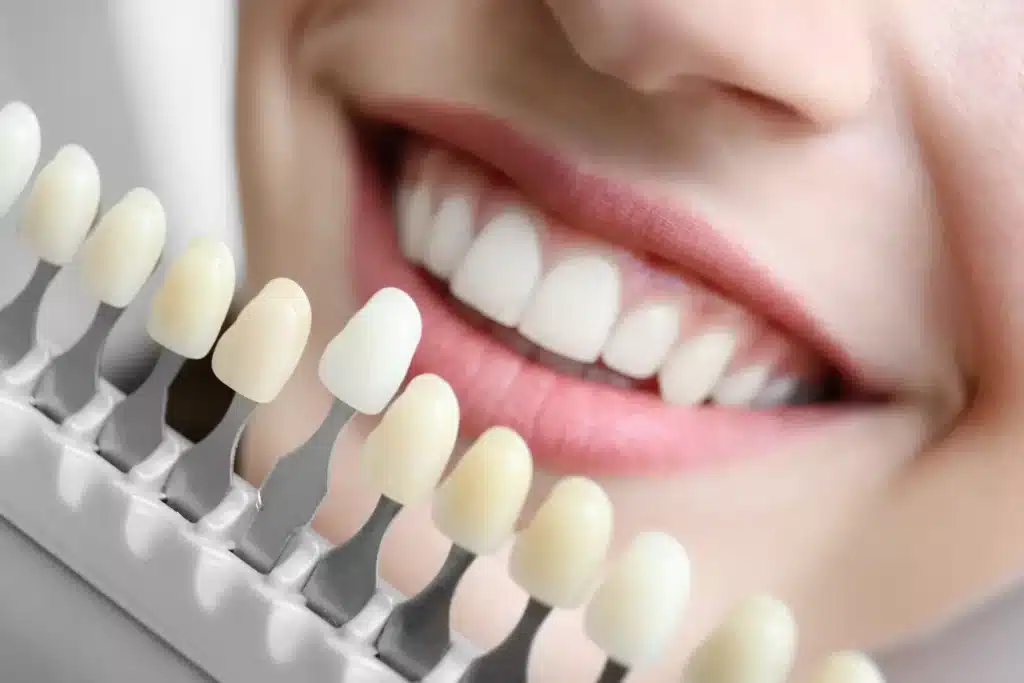
Before committing to veneers, be cautious if missing teeth aren’t addressed, as a proper consultation should evaluate both appearance and overall oral health using diagnostic records to reduce risk.
A Comprehensive Dental Evaluation reviews gum health, decay risk, bite habits, and tooth condition, since veneers aren’t suitable for Decayed Teeth, and factors like enamel quality, cracks, and fillings affect longevity.
Spacing and alignment are also key. Veneers enhance aesthetics but don’t replace orthodontics in complex cases, often requiring tools like digital X-rays, CBCT scans, and Digital Smile Design to plan outcomes.
Material quality and lab standards further influence results, making it important to assess ceramics, shade matching, and documentation. For those considering treatment in Mexico, platforms like Medify can help compare clinics and plans.
Ultimately, this process determines whether veneers alone or combined with other treatments, and options like ultra-thin, no-prep veneer, are the right fit.
Combining Veneers with Other Restorations
For people with missing teeth who want a natural-looking smile, combining Veneers with other restorations often produces the best results.
Dental Implants are a leading solution, a Titanium Post placed in the jawbone to support a crown or Veneer, and are considered a permanent solution for tooth loss. This restores function while letting you blend seamlessly with your adjacent teeth, especially when you’re using Veneers alongside.
Dental bridges are another effective option, filling gaps by anchoring an artificial tooth to your nearby teeth or Implants.
When you combine Veneers with them, they really help create a more uniform and natural appearance. You can achieve a stunning smile that is both functional and aesthetically pleasing. Veneers require the same level of care as natural teeth, including regular brushing and flossing, to maintain their appearance and longevity.
Considering Alternative Cosmetic Dentistry Options
When dealing with missing teeth, it’s a good idea to consider all the cosmetic dentistry options before you choose a treatment.
Partial dentures can provide a quicker, more affordable aesthetic fix, though with less stability and durability. While Implants and Bridges are common long-term solutions, partial dentures can provide a quicker, more affordable aesthetic fix, though with less stability and durability. Partial dentures are often chosen as a quick aesthetic fix for missing teeth, offering an immediate improvement in appearance.
A cosmetic dentist can help you compare options based on your oral health, existing teeth, and long-term goals. Other treatments – like bonding, whitening, or inlays and onlays may also be suitable depending on your needs.
What Replaces a Missing Tooth
Veneers are not the foundation option.
You usually choose an Implant or a Bridge to fill the gap if a tooth is missing, and these solutions can be used to replace one or more teeth, depending on your needs, which creates a proper replacement. Artificial teeth are used in restorations like Bridges and Implants to fill the gap left by missing teeth. Dental Implants support replacement teeth by anchoring them securely in the jawbone, which gives them stability and durability. Bone loss can occur due to missing teeth, making it essential to get replacement teeth promptly for your long-term oral health.
Dental Implant
An Implant replaces the missing tooth with a post in the jawbone and a crown on top. If Veneers are part of your plan, the implant crown is usually finalized first, then Veneers are matched to it, which helps with a consistent shade plan.
Dental Bridge
A Bridge replaces a missing tooth by anchoring an artificial tooth to the teeth next to the gap. It can be a good fit when an Implant is not suitable or when your neighboring teeth already need crowns, which means a practical alternative.
Having Veneers Over Dental Implants and other existing teeth

Veneers can enhance the appearance of Dental Implants, especially in visible areas.
Implants are typically restored with crowns, while a Veneer can be added over the crown to further refine color, shape, and overall aesthetics.
This combination helps Implants blend more naturally with surrounding teeth, improving cosmetic results. It’s a useful option for people who are looking for a more seamless and natural-looking smile while restoring both function and appearance.
The Importance of Consulting a Dentist
If you’re thinking about Veneers and you have missing teeth, your first step should always be a comprehensive dental evaluation with an experienced cosmetic dentist.
This assessment is essential for understanding the condition of your existing teeth, the extent of tooth loss, and your overall oral health.
A thorough evaluation allows your dentist to develop a personalized treatment plan that may include Veneers alone or in combination with other restorations like Dental Implants or Bridges.
An experienced Cosmetic dentist will sit down with you & discuss your options to ensure that your treatment aligns with what you want out of it & also supports your long-term dental health.
Regular follow-ups and good oral hygiene play a huge role in making sure your veneers last & look great, whether you get them on their own or as part of a bigger smile makeover.
By working closely with a pro, you can confidently tackle missing teeth and get that healthy, beautiful smile you’ve always wanted.
How Medify Fits In
Medify helps you compare treatment options through pre-screened clinics in Mexico with bilingual, experienced teams. While savings can be significant, the main benefit is clear, transparent planning with itemized treatment plans and modern imaging like CBCT when needed.
Support often includes a Free Virtual Diagnostic, help with travel and scheduling, and guidance through the entire process.
They also clarify warranties, what’s covered, what’s not, and what records to keep, so you can make a fully informed decision, especially when considering veneers alongside missing teeth.
