
If you are trying to decide between veneers and crowns, chances are you’re looking to fix one of two main issues: you want a brighter smile, or you need to get a tooth that can withstand chewing without falling apart. Often it’s a bit of both, and the best choice depends on the specific needs of the tooth in question.
Veneers and crowns might look very similar in pictures, but in real life, they behave in very different ways. Once you understand what each one is covering and what protection it’s offering, the choice becomes a lot clearer.
The Short Answer: Veneers vs Crowns.
Let’s start with tooth health; this is usually the fastest way to figure out which one to go with. Crowns are typically recommended for teeth that are badly damaged or rotten to the core, while veneers are better suited for minor cosmetic work. If the tooth is literally on the verge of crumbling, a crown is usually the safer bet; but if it’s otherwise sound and just needs a cosmetic tweak, a veneer is probably the way to go, so strength comes first.
After a root canal or a big filling, dental crowns are more common because they give the tooth complete coverage and support. They also tend to last longer and can withstand heavy use, especially for teeth that are already compromised. If you grind your teeth, you’ll want to ask about bite protection and material strength early on, since how your teeth take a beating affects both of these options.
Dental Veneers: What You Need to Know?
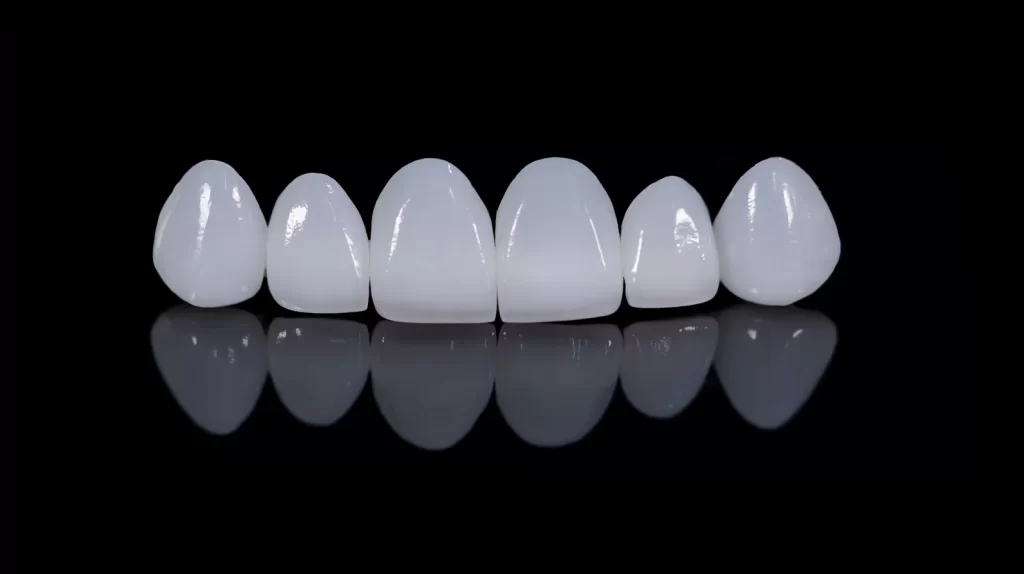
Veneers are a very common treatment used in Cosmetic Dentistry.
A veneer is basically a thin shell that covers only the front surface of a tooth, which makes it a more conservative option compared to dental crowns, less invasive, that is. To put on a veneer, the dentist will remove a very thin layer of enamel, just 0.5-0.7 mm to be exact, from the front of the tooth. It’s a delicate process, but it preserves the majority of the tooth structure. When preparing a tooth for a porcelain veneer, the dentist will grind down just a fraction of a millimeter of the enamel on the front of the tooth. This is why veneers are all about changing the cosmetic look, colour, shape, and symmetry, without covering the whole tooth, which is why veneers are all about the front.
What Porcelain Veneers Are Best For
Veneers are usually your best option if the underlying tooth is healthy and you just want a cosmetic upgrade, especially in the front row. They’re often chosen for stubborn stains that can’t be fixed with whitening, small chips or worn edges, small gaps between teeth, and just generally for making a tooth look a bit more presentable, which is why cosmetic goals with veneers are pretty predictable.
Dental Crowns: What They Do?
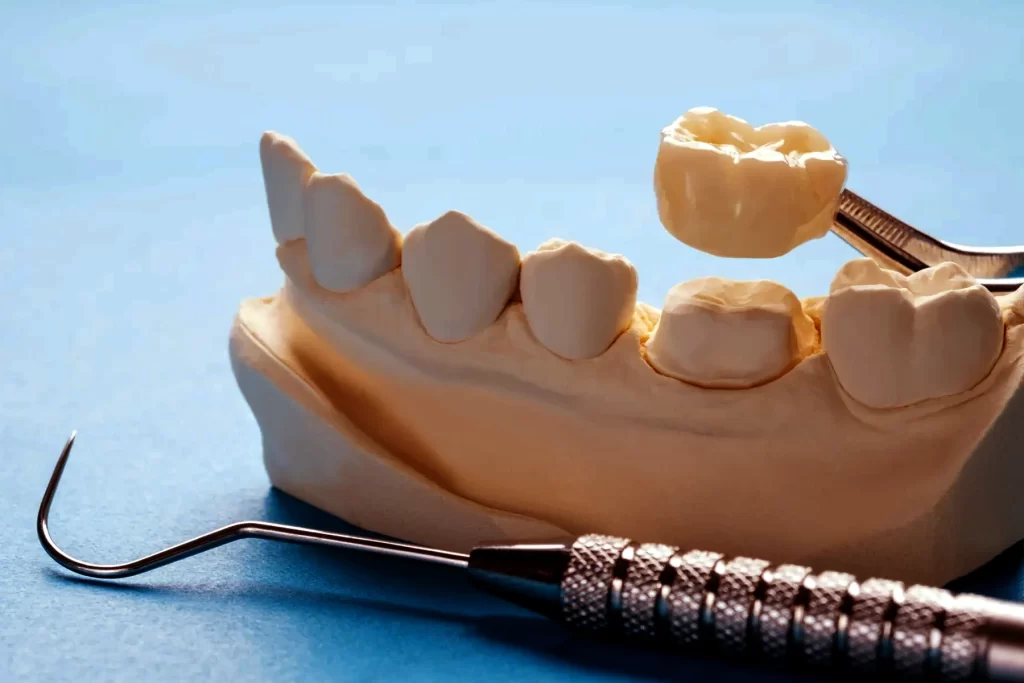
A crown, on the other hand, is like a cap that covers the whole tooth. Dental Crowns cover the whole tooth surface, giving it total protection and durability. Full coverage crowns are especially important for both aesthetics and function, particularly when a tooth needs rebuilding. They are often the solution of choice for complex cases where restoring the tooth is a must, offering durable and functional results tailored to individual needs. Porcelain crowns and porcelain and ceramic crowns are common types, valued for their strength and natural-looking appearance, though they might be pricier than metal crowns. A crown completely envelops the tooth, which means you can expect to have more of the tooth filed down before the crown can go on. Dental Crowns essentially wrap the entire tooth and are used to restore its strength and function, which is why they are a go-to when significant restoration is required.
When Crown Placement Makes Sense
Dental Crowns are used when a tooth is badly damaged or has lost most of its structure, which makes them perfect for giving protection to a tooth that’s been damaged. This includes huge fillings, cracks, heavy wear and tear, and teeth after a root canal, which can become super brittle. Crowns can restore teeth that have lost structure or function, giving them both strength and stability.
They are usually considered when a tooth is cracked or worn down, when a huge filling leaves the tooth with thin walls, when decay or trauma requires rebuilding, or when a stable chewing surface is needed. Crowns restore the ability to handle heavy chewing forces, making them suitable for molars. In cases involving multiple teeth, dental crowns can also help support the adjoining teeth, improving both function and aesthetics. They can also improve appearance, but usually, function comes first.
The Factors That Really Influence the Decision
A good approach is not some celebrity-featured solution. It’s based on forces, structure, and risk, then matched to your goals, which is why risk drives the recommendation. Dental health and oral health are also key factors to consider when choosing between veneers and crowns, as they will impact the long-term success and well-being of your restorative treatment.
Tooth Condition, Sound vs Compromised
The biggest factor in most cases is the state of your teeth; that is, sound, mostly intact teeth may be good candidates for veneers, but it’s essential to keep in mind that veneers need a decent amount of existing tooth structure & enamel for proper bonding to occur. A veneer only works properly if your tooth enamel is sufficient for it to bond to. Teeth that are structurally weakened often do better with crowns because the coverage helps to prevent a fracture, so your tooth’s condition sets the ceiling.
If you’re unsure about what you need, that’s normal, and that’s why places like Medify start with a Free Virtual Diagnostic. You can share some photos, any existing X-rays, and your goals before committing to travel, which helps support getting a clearer picture before making travel plans.
Tooth Location: Front Teeth vs Back Teeth
Front teeth are the ones that people see and are under bite pressure, while back teeth take the brunt of chewing. That’s why crowns are more common on molars and veneers are more common in the front, but there is some overlap, and the location of your tooth changes the forces at play.
A frontal tooth with a crack or big filling might need a crown, and a back tooth you show when you’re laughing might need a more esthetic crown material. The goal is to match strength and appearance to the tooth’s “job”, which takes into account its location and what forces it’s under, which is about getting the right balance of function and looks.
Tooth Preparation and Being Informed
Both treatments need some preparation. Veneers often need less reduction than crowns, but that depends on the tooth position, what you want to achieve, and the material you’re using, which is why preparation needs to be explained, You deserve a clear explanation of what’s going to be removed, why, and what other options exist, so you can confidently agree to the plan, and getting informed consent is crucial.
Timeline and Planning Your Trip
If you’re traveling, the timeline becomes a crucial part of the decision. Veneers and crowns may need diagnostics, preparation, temporary crowns, and a final placement after lab work or in-house milling, so getting the scheduling right helps ensure a good outcome.
Materials That Can Change Everything
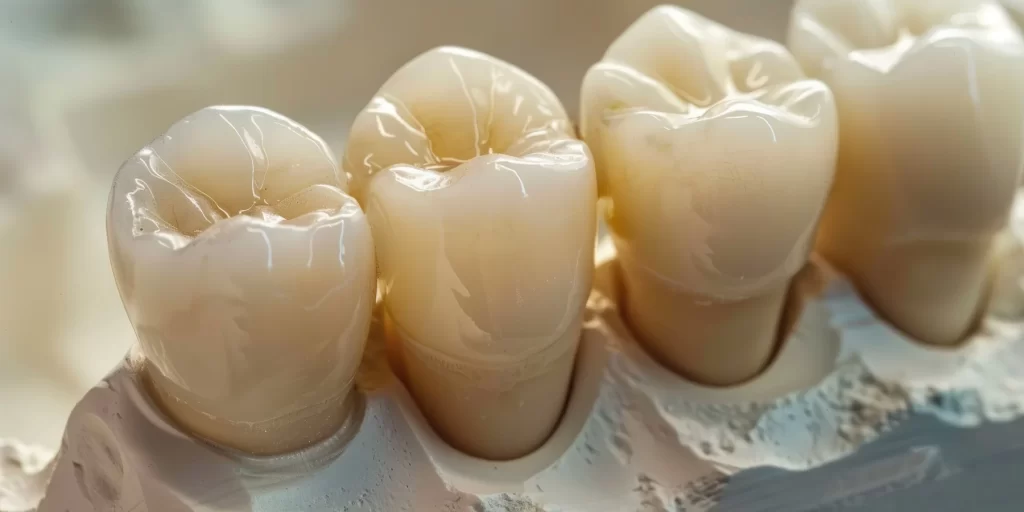
Materials aren’t just about choosing a high-end option. Veneers are usually made from porcelain or composite resin, while crowns can be made from a variety of materials, including porcelain, metal, or a combination. Both veneers and crowns are custom-made in a dental lab to get a precise fit and a natural appearance. Materials affect how strong a restoration is, how natural it looks, how resistant it is to stains, and how it handles different lighting conditions, which is why the material used can make a big difference in the final result. Porcelain and ceramic crowns can be a bit pricier than all-metal crowns.
Veneer Materials
Porcelain or ceramic veneers tend to deliver strong aesthetics with good stain resistance & stability over time. Composite veneers can be a lower-cost option and more repairable, but may stain or wear down sooner depending on your habits and bite, so the material you choose needs to fit your lifestyle.
Crown Materials
Zirconia is known for its strength and is often used when bite forces are high. All-ceramic options like lithium disilicate are often chosen for front teeth where translucency is important, and porcelain-fused-to-metal crowns are still used in some cases and budgets, which makes getting the right balance of strength and translucency a key trade-off.
Veneers vs Crowns Cost: What Drives Your Quote
Cost can make decisions feel really urgent. Veneers and crowns are both used in both restorative and cosmetic dentistry, and a helpful way to think about price is the materials used, lab work, chair time, precision, and any foundation work needed before the cosmetic phase; these are what your quote reflects.
Porcelain veneers usually cost between $925 and $2,500 per tooth, while crowns typically range from $1,000 to $3,500 per tooth. Veneers are often less expensive, but the cost varies based on materials and location.
Key factors that affect cost include material choice, number of teeth, tooth condition, bite complexity, and lab workflow. Digital design, milling, and quality control can increase cost, but they also improve consistency and precision.
Insurance may treat these differently. Crowns are often considered restorative when a tooth is damaged and may qualify for coverage, while veneers are usually classified as cosmetic and often not covered. The clinical need still comes first.
Why Medify Focuses on Los Algodones and Tijuana
Medify focuses on Los Algodones and Tijuana because these two places just make sense for dental travel logistics. We’re not trying to push a particular city; we’re trying to match your unique situation with the right clinic and technology that fits your needs, which pretty much means getting the right clinical fit.
I mean, Los Algodones is a pretty compact town that pretty much revolves around dentistry. Lots of people who travel there love how easy it is to schedule appts and get high value for their money. It’s a great choice if you want a straightforward plan and a super easy place to get around, which supports super simple logistics for patients.
But Tijuana is another story. It’s super convenient and flexible, especially for folks on the West Coast. Lots of people choose it for staged care or if they need more check-in points along the way, and that supports more flexible follow-ups.
The Medify Checklist: The Quality Checks You Need
If you’re thinking about getting care outside of the States, it’s not just about vibes; it’s about specifics. So when you’re looking for a place to get care, make sure you’re getting answers to the right questions, like experience, diagnostics, materials, and fit.
- Experience: how often they do cases like yours, and who checks for fit and looks
- Diagnostics: What kind of imaging do they use, and is digital scanning part of the deal
- Materials: what are they recommending and why, and what are the trade-offs
- Fit and bite checks: how they make sure your contacts are good before they do the final placement
- Warranty terms: what’s covered, for how long, and under what conditions
- Follow-up plan: how they handle adjustments once you’re back home
Potential Risks and Complications
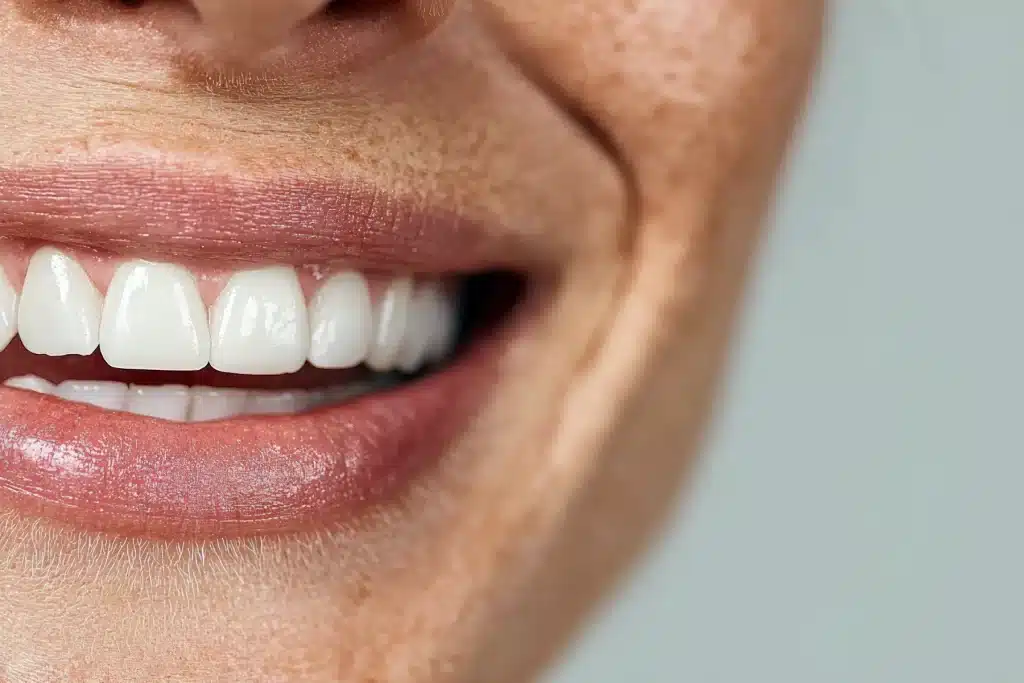
Porcelain veneers and crowns are solid options in cosmetic and restorative dentistry, but it’s good to understand the potential risks so you can make informed decisions and protect your investment.
There is a risk of tooth sensitivity with both, because enamel gets removed, and that can leave your teeth feeling a bit wobbly for hot or cold stuff. That usually sorts itself out over time, but if you’ve already got sensitive teeth or the fit isn’t right, it might persist.
Gum irritation can also happen if the restoration doesn’t fit right against the gum line, which can cause some discomfort or inflammation, which is why regular checkups are super important to keep an eye on gum health.
And then there’s the risk of decay or gum disease creeping in around the edges of the veneers or crowns if you don’t keep up with oral hygiene. Bacteria can build up where the restoration meets the natural tooth, so brushing, flossing, and regular visits are key.
For some crowns, especially the metal-based ones, there’s a small risk of an allergic reaction if you’ve got metal sensitivities, so it’s worth talking to your dentist about alternatives like ceramic or composite materials.
Dental Insurance coverage can vary. Crowns might be covered if they’re medically necessary, but veneers are often considered cosmetic and might not be included.
To minimize risks, just choose a good provider, follow the aftercare plan, keep up with your oral hygiene, and get regular checkups, all of which help ensure long-term success and a healthy, stable result.
Aftercare and Maintenance
Whether you choose veneers or crowns, maintenance is simple but important. Regular checkups help catch early issues like wear or fit problems, while good daily hygiene prevents decay at the margins and keeps your gums healthy, so brush and floss consistently, especially along the gum line.
Veneers need regular brushing and daily flossing to prevent plaque buildup and maintain their appearance. Crowns should be brushed with fluoride toothpaste and flossed gently around the crown to maintain gum health. Avoiding hard foods and using teeth as tools can help prevent damage to both veneers and crowns. If you grind or clench, consider a night guard, since managing force is key to long-term durability.
If something feels off or high after you return home, don’t wait. A small adjustment early can prevent chipping, loosening, or bite discomfort later, making early fixes much easier than repairs.
Get Your Free Quote
When weighing your options between veneers and crowns, the best way to get a clear picture is by linking your goals with a concrete treatment plan. Medify can put you in touch with top-rated clinics in Los Algodones or Tijuana, with staff who speak both English & Spanish, plus they’ll give you a run-down on costs, so you know what you’re getting into before you even book a flight, which is just one of the ways Medify helps you set realistic expectations from the get-go.
Get Your Free Quote. To make things even easier, you could also use Medify to get a quote, compare prices, or find out more about getting to and from the clinic, basically, get all the logistics sorted out so you can travel with confidence, knowing all the pieces are in place.
